Subscribe
Share
Share
Embed
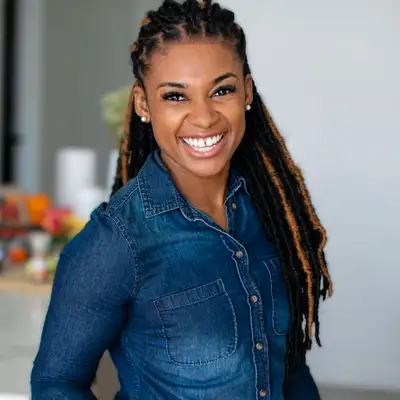
The Sweat and Equity Show brings insights, clarity, and tactics for the modern fitness and wellness business owner to grow and thrive on their terms. Global speaker, advisor and wellness entrepreneur Ariel Belgrave, peels back the curtain on about what it takes to build, grow, and sustain an enduring business in the industry. No gatekeeping allowed!
{
"characteristics": "public.accessibility.transcribes-spoken-dialog",
"language": "en-US",
"language-name": "English (US)"
}
A few weeks ago, I was sitting in a session at a fitness conference. There were bosses in that room
decision makers, brand leaders, people with big budgets that can open doors. And I remember
looking around and noticing the connections being made in real time, and the fitness and wellness
professionals who would have absolutely benefited the most from being in that room were not there.
And I kept thinking, gosh, they're at home posting, stressing about the algorithm while the room
where business gets done was sitting right here, half empty of the people who needed it most. And
it's why I'm recording this episode today. I've got a whole lot to say, so let's talk about it.
Welcome to the Sweat and Equity Show. I'm your host, Ari, and this show is where we have real
conversations about what it takes to build, to grow and scale a business in the fitness and
wellness industry, to go from a creator or practitioner to a founder, a CEO and an operator.
Today, I want to talk about something that I've been doing for years. That has been one of the
biggest drivers of my career and business growth that I believe is one of the most underrated
strategies right now in the business period. It can help you increase your revenue, give you more
opportunities, and open doors in ways that you couldn't even plan for. And no, it's not a funnel.
It's not a content strategy. It's getting in the room like physically being in spaces to network
and to learn in spaces where the right people are gathered and real conversations are happening.
Because sometimes you walk into a room not knowing that the person you're about to meet is
going to matter to a version of your business or you that doesn't even exist yet. So let's get into
it. Now, before I get into the strategy, before I tell you how I think about being in these rooms,
how I choose these rooms, how I move in them, I want to talk about why this conversation feels so
right and urgent, like right now, because I don't think the timing is an accident. I think where we
are as an industry right now is exactly why this matters. The digital landscape is exhausting right
now. Friends, you're posting, you're creating content. You're showing up consistently. You're
doing what everyone says to do, and it's working kind of you're visible. People know who you are.
Maybe your community is growing, maybe your business is growing. But the bigger opportunities,
the bigger brand deals, the corporate contracts, the dream clients, the support that actually can
change the financial picture of your business, those feel a little farther away than they should.
And if that's you right now, I want to encourage you to add some source to your marketing or
visibility strategy, because here's what I've been seeing happening in this industry as of late or
last few years. Honestly, as everything has moved online, as tools have gotten more accessible and
the noise has gotten louder, a lot of fitness and wellness professionals have gone all the way into
digital, which makes sense. That's where the advice is. That's where the big success stories you see
are being told. But I've been in rooms recently where the conversations are happening at a level
that I think a lot of fitness and wellness professionals don't even know are being had.
People are talking about the future of fitness and what's actually trending in large groups,
small group and personal training right now, and why the models that worked five years ago are
being redefined. They're talking about retention strategies, marketing funnels and content engines,
and how to build something that actually lasts beyond trading time for money. They're talking
about technology and AI. They're talking about the studio KPIs that actually matter if you're in a
studio. The metrics around people, process and platforms and how to use them to make smarter
decisions in your business. These are not conversations happening in your Instagram feed, at
least for our industry. They're happening in rooms and in going all the way into digital. A lot of
people in our industry have quietly walked away from what I believe, the very spaces where the
most important conversations are being had. I'm seeing a lot of people sleep on something. This
industry was literally built on. Physical presence, real connection,
in-person trust. That's legit. The foundation of what we do in our industry. But somewhere,
somewhere along the way, we convinced ourselves that impact and scale meant moving everything
online. But I actually think the opposite is happening right now. Hear me out on this. Because
so much has moved to screens, the value of being in person has gone up. The value of being face to
face has gone up. The value of being memorable in a room of someone being able to feel your energy,
hear your voice, understand your vision and get excited about it. Real time has gone up, and the
people who understand that are going to have leverage that content alone cannot create. And I'm
not saying don't build online. Clearly I'm about that digital life. I'm a content creator. I have
this podcast we're speaking online. I'm saying don't only build online as you think about what
your business looks like in 2026 and beyond. You have to be asking yourself. Who needs to know me
in person? What rooms do I need to be in? What spaces should I be showing up in? Where people can
see me? Hear me? Feel my excitement for what I'm building and decide if they want to be a part of
it. The future of this industry belong to the people who built smart online and show up
powerfully in person, not one or the other. Both. And honestly, I've already been doing this for
quite some time. When people look at what I've built, the partnerships, whether it's corporate
brand, the contracts, opportunities, I think it's an easy assumption to make that I got that place
with all my content and I get it. Why people can think that I show up consistently online, I create
content, I have a presence online that reflects what I do and what I stand for. So yes, content has
been based, content has played a role, a real one, and I'm not minimizing that. But if I'm being
honest, a significant portion of generating seven figures in revenue in my business in some way
traces back to being in the room. It always traces back to being in the room. And not just any room.
The right rooms, intentional rooms, rooms where I can build genuine and meaningful relationships.
Rooms where decision makers are hanging out. Rooms where I can learn and grow. I don't solely rely on
DMs, emails, or hoping that the right person sees my post to get opportunity. I've made it a
priority since my corporate days. Honestly, to always put myself in spaces where there's an
opportunity to learn, to connect, to be remembered, and to have the kinds of conversations that just
don't happen any other way. This is absolutely a marketing strategy, too. And when I think about the
high level marketing strategy that has worked for my growing business and brands, I'd say it's two
things and I call it my two C's content and conversations. My content grows.
Visibility. Conversations grow. Opportunity. Content is how people find me. It's how I build
trust at scale. It's my introduction to people who don't know me yet, but conversations. On the other
hand, conversations are where the relationship actually deepens, where someone goes from knowing
who I am, to truly understand what I'm building and what my goal and visions are, where trust gets
created faster than any caption ever could, where someone feels my energy and my conviction about
what I'm doing in this industry. Most of you have heard this reference as networking and being told
you need a network more, but I refer to it as conversations because I personally feel
networking has become one of those words that feel so transactional, so stiff, and just all about
collecting context. For me, it's about quality over quantity. For me, it's about aiming for
conversations in this space which can start in the room and then end up digital. I think about
collecting perspectives, collecting relationships, insight, access, trust, and proximity. Content
introduces me. Conversations create the opportunity, and thinking about it this way has
been a game changer for my business because the opportunities that have been, I'd say the most
significant in my business, the ones that took me to high five figure months, that opened real doors,
that created the kind of partnerships I actually wanted. Those did not come from a DM. They came
from being in a room, a real room, a real conversation, someone experiencing me in person
and decided that they wanted to work together in some way, bring me into their company to speak,
invest in my product offering, create an opportunity for me to be a brand ambassador. I
wholeheartedly believe one hour having conversations in one room can do more than five
hours on a screen making content. I'm just saying. I also believe that choosing not to be in rooms
is very well costing you and your business. Let me paint a picture of what the cost of this bill
actually looks like. Imagine the version of you three years from now who never got in the room,
who keeps posting, kept showing up online, kept doing all the things digitally, but never invested
in being physically present in spaces where decisions get made. That version of you has a
ceiling. And the frustrating thing about that ceiling is that it's invisible. You won't always
know why the brand deal went to someone else. You won't always know why. The speaking opportunity
never came. You won't always know why. Your network never opened the doors you needed. You just know
that something isn't moving the way you want it. That invisible ceiling is proximity, and it
is one of the most silent limiters of growth, I'd say in this industry and others. I've been in
rooms and watched it happen in real time. Brilliant, talented fitness and wellness
professionals who have worked really hard and their work can speak for itself. Nobody in that
room knows who they are because they were never there. The people who got the opportunities
weren't just the hardest workers, they were the most present. And so many of you are missing out.
And speaking of missing out. This is a perfect segue into what I really wanted to call out in
this episode. After speaking in attending at different conferences and events in the past
month. Your girl has been outside. Outside because there were a few things that stood out to me that
were just hard to ignore. One there aren't as many people of my generation millennials and even
Gen Zs. There aren't many of us in these spaces that there could be. At the same time, these spaces
aren't always designed or curated to attract our generation and the younger generation. So there's
a clear gap between what I would say legacy leadership who want to share wisdom, and the young
operators building for the future of fitness and wellness. Two there aren't always a lot of people
who look like me as a woman, as a black operator, Where we have friends. Where are we at three. The
rooms I was in were actually very valuable, like very valuable, incredibly valuable. And I
spoke about this on my Instagram stories and had some meaningful conversation that gave me more
context into how people are feeling about this and why they aren't there. And what I realized is
that a lot of people are counting themselves out of rooms that could genuinely take their business
to the next level. They are counting themselves out because they assume the room is not for them,
because they don't see representation, or that they don't belong because they feel like they
need a bigger title first, more money first, more followers first, more credentials first. And listen,
I'm not going to sit here and pretend that being one of very few or oftentimes only in a
space does it stir a feeling up. It absolutely does. There are many rooms I've walked into where
I am well aware that there aren't many women like me. There aren't many people who look like me,
sound like me, come from the same background as me, or move through the industry the way I do. But
I've also had to learn that choosing to opt out of these spaces is expensive, and have had to
challenge myself, honestly, since the start of my career to shift my perspective of the value I'm
actually bringing to these spaces, whether I see representation or check all the credential boxes
or not. As a matter of fact. Now that I think about it, choosing to opt out of being in these spaces
would have taken the biggest hit on my education and career. I would have never applied to Boston
College, a predominantly white institution. I would have never applied to JP Morgan out of college to
work in banking with a psychology degree. I would have never applied to work at JP Morgan. Simply
knowing that it was a male dominated industry. I would have never taken the leap to grow Jim
Hookey and go all in. Because I had an HR background, I would have never climbed recently,
Mount Kilimanjaro, because I didn't see black people who are climbing mountains like that. I
would have never showed up at industry events knowing I'll be the youngest one there. Are you
getting what I'm putting down? I don't wait. I shift my perspective because the reality is I
bring value to that room the moment I walk in. And that room is better because I'm in it. I bring
things that nobody else in that room has my perspective. My background, my way of seeing things,
my difference. If I'm one of few, then that 100% means my perspective is rare in that room and
rare is valuable if I'm not there, that perspective is simply missing. That's their loss,
and I know that having this type of confidence and courage doesn't just pop up overnight. Right
as I talk about it. So I want to call out something that I also know holds true, especially
in some of the conversations I've had in my DMs. There are times when hearing people say a room
doesn't feel like it's for them. And sometimes that is absolutely real. It is absolutely valid. I
felt that too. But sometimes I'm going to keep it real here. It's fair, it's self-doubt. It's
waiting for proof of belonging before you're willing to show up. And the truth is, most of these
rooms are never going to come with a sign that says, yes, you belong here. You come right in. That
work is internal. Deciding you belong is not something a conference website is going to do for
you. That is a conversation that you also have to have with yourself before you ever walk in the
door. I've personally had to work through this as well. As a matter of fact, the more rooms I get
access to, the higher up I go, the more I find myself needing to go back to that same reminder
and instilling empowerment in myself, saying, Ari, your leadership belongs here, your creativity
belongs here, your lived experience belongs here, your difference belong here. And when I walk into
a room, having already had that conversation, I don't shrink. I don't apologize for being
different or being there. I don't wait to be validated, I am present, I am grounded, and I am
ready to learn, to grow, to meet people. I do not need to be successful to be in the room. I need to
be in the room to become successful. And I think for a lot of people, that's the first room they
actually need to enter. The one inside themselves where they decide they are worthy of the bigger
rooms. Because if you don't settle that internally, every external room, I promise you, is going to
feel harder than it has to. And listen, I don't want you missing out because you are sitting
around waiting for whatever it is. Because while you're waiting to be fully ready to be fully
represented, to be fully confident, fully qualified, someone else is out there buying that ticket,
showing up, making the connections, having the conversations and making moves on their business
goals. I have seen fitness professionals miss a conversation that would have completely changed
the game for how they think about their business. I have seen brilliant, talented coaches lose a
brand partnership not because they weren't the right fit, but because someone else was in the
room and they worked. So yes, you are actually missing out when you are not prioritizing being
in these rooms. Don't underestimate it. You may be missing a conversation that clarifies your next
move and introduction to someone who knows exactly who you need to meet a future client, a
future collaborator, a future sponsor. A peer becomes a real friend and trusted thought partner,
a room that normalizes the kind of success you are still treating like a fantasy because it's
real. Every last one of these things has happened to me just because I was in the room. Corporate
contracts and speaking engagements that started with a conversation at an event, consulting
relationships that began because someone heard me speak on a panel and walked up to me afterward.
Long term, long term brand partnerships that started with a handshake and an intro to the head
of marketing, connections to people or resources that brought my business to a whole nother level.
I quickly learned that your network can open doors that hard work alone cannot. Hard work is
necessary. Trust me, I know this, but it's not sufficient. Hard work without proximity can keep
you working in circles. Hard work without relationships can keep you isolated. Hard work
without access can keep you overly dependent on just hoping to be discovered through content
instead of being connected. Now, I've shared that I've made it a priority to be in rooms, but I'm
not saying go to every conference, every summit, every meetup. That's not the vibes. You have to be
strategic about where your time and money go. So while I'm searching for what rooms to be in, there
are three core questions that I have top of mind that lets me know if it's worth my time and
investment. First is what season? Ari, are you actually in right now? Not in general right now.
For me, when I went to conferences I attended this past month. My intention was really
specific. I wanted to share what I was building with sweat and equity and understand how to grow
it beyond the podcast itself. So I was paying attention to sessions about content engines,
social media, platform growth and marketing funnels. I was listening for what people were
saying about scale, and how to build something that doesn't require you to be everywhere, all the
time. I was also paying attention to things I can share with my audience, paying attention to what
was being talked about in the industry, what trends were happening and training modalities, how
people are thinking about large group versus small group versus personal training, what the
metrics look like for businesses that are actually growing versus the ones that are stuck.
That's the kind of intelligence you just cannot get from scrolling online. All of that shaped with
sessions I attended, who I sought out, and what conversations I leaned into the room has to match
where you are, not where you were six months ago. Not where you want to be in two years. Right now.
Second, who is likely to be in the room? And I just don't mean the speakers, although they're valuable
too. I mean the attendees who is investing in being there? Who are the people making decisions,
building interesting things, thinking at a level that could stretch me. Because sometimes if people
sitting in the seat right next to you are just as valuable as the people who are on the stage. Third,
will this room stretch me? I do not only want to be in rooms where I feel comfortable. I want to be
in rooms that expand me, rooms that challenge what I thought was normal. Rooms that raise my
standards. If you are always the biggest dreamer in the room, it may be time to find a different
room. Because when you're surrounded by people who are already operating at the level you want to
reach, their normal becomes your baseline. What they consider ordinary, the way they pursue
opportunities, the standards they hold becomes the new floor for what you think is possible. Osmosis
is real. Proximity to excellence shifts you. And on the flip side, when you stay in the same
environments far too long where everybody thinks the same, that starts to shape you to when you are
in the right room, your ambition starts to sound normal. Your big ideas sound normal. Your standards
rise because the room has a different standards. Sometimes that bruises your ego a little. Not a
bad thing. Sometimes it shows you where you've been thinking too small. Again, not a bad thing.
That is growth. And speaking of growth, I do want to call out that growth and being in these rooms
often has a price tag. Yes, I know conferences are not free travel and hotels are not free, and I
don't want to act like the barrier isn't real because there's some of you it is. So I definitely
want to share some quick thoughts here, because not every room cost a flight in a hotel. Some of
the most valuable spaces I've been in have been local a dinner, a mastermind, a small event
hosted by someone in my city, and one of the most underrated strategies for getting into rooms that
you can't afford is serve your way in. Serve your way in Bu. Volunteer at the conference. Offer to
help with the event. Reach out to the organizer and ask if there's a way to be involved. You can
find them on LinkedIn. I've seen people get access to rooms that would have cost them thousands of
dollars, simply because they showed up and offer something. If you're a creator, that could be a
good way for you to get in as well to produce content. That is the operator mindset. Finding a
way when the conventional path isn't available yet. I also want to note I don't only go to
fitness and wellness industry events. For a lot of my early years, the rooms I prioritize were full
of women entrepreneurs and completely different industries business. Finance. Tech.
Law media. Because honestly, I felt like a lot of people in the fitness and wellness industry were
doing the same things, and I always look for ways to bring my own sauce to whatever it is that I do.
The way I've navigated corporate contracts is different from anyone I know in this space, not
because I'm more talented or smarter than anyone, but because I learn how to do it from people in
other industries, in rooms where fitness professionals simply weren't present. Being in
rooms outside of your industry is one of the fastest ways to develop leverage inside of it.
Okay, I've been speaking about the value of being in these rooms, so I feel like I owe it to you to
actually give you an example of one of many examples, actually, of how being in a room created
incredible connection. So let's run it back to last year when I was attending the Connected
Health and Fitness Summit for the very first time, I was invited to speak on a panel and was
actually super excited to expand my network in the industry, across tech, across everything that
was there. And one of the things I loved about the summit was that they had an app to help
facilitate networking between attendees and listen. If any event has an app where you can fill
out a profile, I complete it always and you should too. Profile pic, bio interest sessions I'm
attending. Don't tempt me with a good networking time. But seriously, if I'm already attending to be
in this room, I want to maximize that room. And filling out the app is a great way to do that. So
I filled out the app and because of that, I ended up connecting with a now really good friend of
mine, Kathleen, who is the CEO and founder of coach 360. She connected with me through the app and we
set up a meeting to connect while we were both there at the time, she was actually in the midst
of building the 360 platform, a career platform for fitness and wellness coaches. And because I
was a coach myself and my profile made it clear what I cared about, she reached out and wanted to
connect. We spoke. She shared her vision. She ran the concept by me. I gave her feedback. I shared
what I was focusing on in my own business at that time. it was genuine and it ended with me saying,
hey, let me know if there's any way that I can support your launch. Simple. No grand strategy, no
trying to figure out what I can get out of it. Just support and genuine excitement that we had a
chance to connect, especially as women at this event, because it was predominantly men. And what
came from that has been such a beautiful example of why I believe in being in the room and leading
with generosity. When she launched coast 360, I was a guest writer for a few articles. I've connected
her with people in my network, and on the other side, she's introduced me to incredible people.
Been so supportive of all that I've been building in the last year, and rooted for my work in ways
that have genuinely mattered. And most recently, when I told her I was launching this podcast, she
immediately introduced me to a YouTube strategist who used to work at YouTube and left to help
creators grow on their platform, she said. You need to talk to David made the introduction of her
email ASAP. David and I connected. He gave me feedback that has been incredibly helpful. And
just a few weeks later, we got to meet in person at the Health and Fitness Association conference
in San Diego. When he told me he was leading a session there, I was there, front row and center to
support him, no questions asked. Kathleen led to David. David led to better decisions and how I'm
thinking about editing and posting on my YouTube for this. And all of it traces back to a
conference, an app, and a meeting that I intentionally made happen. But what I really want
you to sit with is this when I met Kathleen, Sweat and Equity didn't exist. It wasn't even a concept.
I knew in some where my future. I wanted to create a podcast one day, but I didn't know it was going
to be this year, this show, this topic, that relationship was built before I even knew the
future version of me would need it. That all came from one connection, one room, one app profile,
one conversation, one willingness to show up. And that is exactly why I would always say you never
know. You never know who you're meeting. You never know what future version of your business
they may support. You never know what opportunity or introduction might come months or even years
later. That ROI of being in the room is not always immediate, and I can tell you firsthand. Kathleen
is one of many examples I'm going to tell you. Sometimes you leave with a clear next step,
sometimes with a connection that turns into something quickly, and sometimes you walk away
with something that may be a little bit more quieter. A shift in perspective. A relationship
still unfolding, a seed that will make so much sense later and that still counts. In fact, that
might be the most valuable thing of all. And I actually want to pull something out of that story
with Kathleen that I think is easy to miss if you're just hearing it as a nice example of
networking working out in my favor, because there's something specific that Kathleen and I
both did in that first conversation that I think made everything that followed possible. And it's
something I see a lot of people skip all the time. We actually told each other what we were building.
That's something I've been intentional about, even as I've launched this podcast, as I've attended
recent conferences and shared more about what I'm building with sweat and equity. People want to
help not because I had a perfect pitch, but because they could hear it. They could feel it.
They could understand the bigger vision I have for this podcast, and think about how they might
be able to support, or who they can connect me to. People cannot connect dots for you if they do not
know what dots you are trying to connect to. Many people are building quietly and then feel
frustrated that nobody's helping. But people can't help what they don't understand. They can't
connect you. If they don't know what you're focusing on. They can't refer you if they don't
know what you're building. Period. You don't have to share every detail. You don't need to have
everything figured out. But if you're in a room with smart, generous, connected people and you
never actually say what you're building, you are actually making it harder than it needs to be for
you to find support on your journey. So say the thing. Say what you're building. Say what you're
excited about. Say what direction you're moving in. Talk about your goals. Give people something to
work. And I have to talk specifically about brand deals. As I talk about this, one of the number one
ways I've created not just one off partnerships, but longer term relationships, is by being in the
room in spaces where brand decision makers are actually present. The head of social, the head of
influencer marketing, the CMO, someone connected to the person who who's making the call, who has the
big budgets. When I'm in those spaces, the conversation goes so much deeper than I want you
to post this content. It becomes, how do we get you involved in our brand long term? Could you consult
with us on this? Could we bring you in as a speaker, a voice, a host, someone who can shape the
strategy, not just execute the deliverable? These conversations happen more naturally in person
because people get to experience my depth, my perspective, beyond content. They get to understand
how I think. They get to feel my presence and my joy. They get to see that I'm not just someone
with followers. I'm a real brand, a real thinker, a real operator. And one of the reasons why I go to
business focused events specifically is because most people in our industry is not. Brands are
their friends. There is leverage in doing the things most people keep talking themselves out of.
There's leverage in showing up in spaces that aren't saturated with the same people. There is
leverage in being one of the few who decide to invest in proximity. I'm a creator who doesn't
only go to creator events. That's what I'm saying on that. Okay, now last thing I want to share with
you are some of my tips. For once, you've made that decision that you are going to be in the room
proud of you for, that reality is working. A room is a skill and like any skill, it gets better the
more you practice it. So I'm going to give you seven of my favorite tips in hopes that it can
help one. Prepare. Like actually prepare. Set an intention, not pressure. Not this giant checklist
of things to do. Just one clear answer to this question. What will make this event meaningful?
That intention shapes everything. Which sessions you attend, who you seek out, what you lean into,
and make sure you look at the schedule, who's speaking, what feels the most relevant to where
you are right now, and if there's an app you know this was coming. Use it. Fill out the profile in
advance. Add your interest, make yourself discoverable and see who's attending to follow
the energy, not the script people can feel when you are running a playbook. They can feel when you
are not really listening. Pay attention to what lights someone up when you're speaking with them.
Follow the thread of what they're excited about and stay with it. People literally release
dopamine and oxytocin when they talk about what they love. Their pace quickens and how they speak.
They lean in their eyes. Change when you see that. Stay there. Don't redirect because you have an
agenda. That's where real connections happen. Three. Remember that you belong there. I'm going to say
it again. Remember, you belong there, friend. Trust the work you've put in. Walk in like you already
know. They're going to be glad that you're there. Walk in with an open mind and a genuine presence.
Don't try to be someone you're not. When you carry yourself with that energy, people rise to meet it.
Most of connection is energetic permission that you give to yourself first.
Four. Don't self deprecate your way out of your own authority. There is a version of humility that
reads as charming. And then there's a version that quietly costs you your credibility. Oh, I'm just
starting out. I'm. It's nothing. Really. I just got lucky. You might think that you're being relatable,
but what you're telling people is to not take you seriously, and then they don't. You are allowed to
own what you've built. Let people meet the most capable, the most dope, the most grounded version
of you. Because that's a version of you. You're working to be five. Move fast when there's a spark.
If a conversation you're in feels aligned. Don't let the moment pass. Say, let's set something up.
I'd love to continue this and get their contact before they walk away. An actual plan, not a vague
let's connect. Some time that disappears the moment you both move on. Momentum is connection's
best friend. The energy of that in-person moment is at its highest right now in the conversation.
Use it. Get the email. Put something on the calendar. Connect with them on LinkedIn six. This
one is for my introverts. Focus on presence, not performance. Some of the most memorable people in
a room are not the loudest. I can tell you that firsthand. They are the most present. They ask the
thoughtful question. They listen well. They make people feel seen. They follow up. That counts. Maybe
for you, that means getting there early before the crowd. Maybe it means choosing 1 or 2 key sessions
instead of trying to do everything. Maybe it means preparing a couple of simple questions so your
mind doesn't go blank when you're in that conversation. One thing I've learned is that the
more interested you are in another person, the more interesting you become to them. So if you
don't know what to say, start there. What brought you there? What are you building right now? What
has been the most exciting for you lately? You don't need to have the perfect line. You need to
have presence. So be present. And lastly, follow up like a whole human, not a
transaction reference something they actually said in your conversation. Send them a link, a
thought, something relevant to what you may have talked about. Prove you were actually listening,
not just networking. That kind of follow up, I'm going to tell you it works. It's so rare that it
almost always gets a response. And that's how you turn a conference conversation, a summit
conversation, a dinner conversation into a real relationship, in a real relationship into a real
opportunity. So I hope those tips helped. Let me know how it goes and if you try it out. Now, as I
close this out, I was sitting here thinking about what's one word I can leave with you that will be
all encompassing of everything I just shared here. And the word that comes to mind is presence.
Because that's what all of this I feel like comes down to presence. Not perfection, not a
perfect pitch, or a perfectly timed follow up. Just a willingness to show up and be in the room
physically, intentionally, and open to whatever the room has for you. Because you cannot always
predict which conversation is going to change things. You cannot always tell which person is
going to remember your name, open a door, or introduce you to the exact right someone six
months from now. But if you are in the room, none. But if you are not in the room, none of it can
happen. The opportunities you are asking for to not only live online, a lot of them are in the
rooms, real rooms with real people having real conversations and the only thing standing between
you and those rooms is the decision to walk in it. So I want to leave you with this. Find one event
in the next three months, one conference, one summit, one mastermind, one retreat. Something you
haven't been to before, something that feels slightly outside of your comfort zone and
register for it. RSVP for it. Pay for that ticket. Show up with a clear intention. Get to know the
people in the room and follow up like a whole human, because some of the opportunities you are
asking for are sitting in rooms. You keep talking yourself out of. Entering your leadership. Your
creativity and your ambition belong in that room. So step into it like you belong there, because you
do. Thank you for being here for episode four of the Sweat and Equity Show. If this one hit, share
it. Send it to someone who needs to hear it and leave a review. Subscribe. It generally helps this
show reach more people in our industry who need it. I'll see you in the next episode, but more
importantly, I'll see you in the room.