Subscribe
Share
Share
Embed
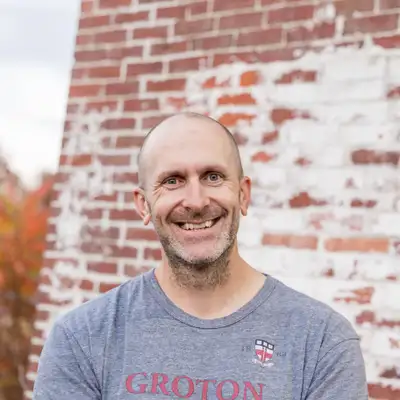
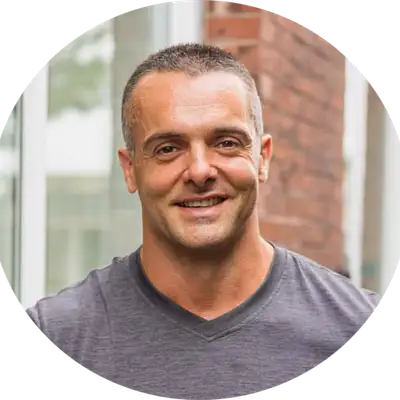
Most people don’t need more motivation. They need a different approach. Hosted by Gary Donia and Peter Brouillard, Different Life draws on years of experience helping people navigate pain, movement, recovery, and performance — but the conversation goes far beyond health alone.
We talk about:
• Strength training as a life skill
• Back pain, mobility, and injury recovery
• Pelvic floor health and durability
• Sleep, stress, hormones, and energy
• Performance and longevity over 40
• Discipline, habits, and identity shifts
• Parenting and modeling health
• Relationship-based healthcare
We discuss these not as isolated topics, but as part of a bigger question: What does it look like to live differently, not just try to live better?
If you feel stuck in patterns that no longer fit who you want to become, this show is for you. Because better often keeps you in the same cycles. Different changes your trajectory.
Gary Donia (00:01)
Okay, Peter, we have returned to the airways. The airways. How long has it been? Too long, because you had to go hunting. Should we rehash that? We can. I think it's been two and a half years. Two and a half years since our last podcast episode. And we are back. We won't go over old shit, as people say. We'll let bygones be bygones. The good news is we're back. We're back without Sarah, however, our old co-host. Sad.
She's probably gonna be a little bit mad. Yeah, we haven't even told her about it. We haven't told her. I don't want to be the one to her. It's like we're cheating on her. Yeah. We have a substitute. Yeah, and we're gonna have like other women in here like Gianna and Courtney and Alicia and others, Julia, Jake and who knows who else? Maybe some of our current clients, maybe some special guests down the road. But you know, before we get to all that and talk about our plans for this show, it's probably good to have a name. It's just taken us a long time to come up with a name.
We've failed many times. And who knows, maybe we failed this time, but we're gonna go with this for now. What if before we get to that, how did we get here? Like why are we sitting in these seats? Ah, well, mainly because our business closed. The company we worked for shut down and we didn't have a choice but to go start a business. Yeah. I mean, mainly. Stuart failed us. Luckily, in our case, you had already started this business, so that worked out well.
for everybody involved. And then we snuck the podcast back in. Yeah, we're sneaking the podcast back in as part of our, you know, just another thing that we decided to do on top of the million things that we already do as part of this business. want you to talk a little bit about the business. I think that's probably a good place to go. What is the business? Why'd you start it? And then how's this podcast?
An offshoot of that. It's essentially a part of the business. Correct. Yeah, so what is the business? The business is helping people, right? So the idea is to help people with their physical function for the most part. So it started with personal training. And then when I left, what we were doing together, then we added physical therapy, especially once you came on, we started building that program up a bit more. We also do health coaching, but those are services. we offer services as a broader...
way of helping people with their overall physical function and health and wellbeing. Right. And so much of what we do is psychological. So we're often helping people from a mental health perspective. We're not counselors, but like that's a part of it. It's not just mechanistic in nature. Pain is not just because I have an injury. It's for many, many reasons. And so getting to the bottom of who somebody is will help them the most.
So I think like we do with everything is we think through like, what is a specific thing for that person that that person needs today in that treatment, what would help them the most. And then we do that. So whether that's physical or psychological or whatever it may be, that's how we approach it. So then I think this podcast is a version of that. It's the way that we think about helping people. And we talk about it all the time. We just don't happen to do it on recording. So I don't know. I I think we figured.
Well, let's get it. Let's just talk about it on air. Let's share our ideas and how we think about helping people move forward in a way that can help even more people. Right. Because everything that we do right now is one on one for the most part. And so if we can share this on a broader scale with a larger audience, then maybe we can help more people. Yeah, I would agree. I think definitely what I think we we reiterate that message over and over again is we are in this to help people more than anything else. And that this is an offshoot of that. For sure. I heard a thing.
recently on a podcast where there are physical therapists like you and I, you and you know, for those who don't know us who are listening to this, we're both physical therapists in the world that we work in is, is that right physical therapy and health coaching and strength training and you know, kind of all things like health, but I heard something and he said we don't sell visits, we sell outcomes. Yeah. And I thought that was like, that was an interesting way to like look at it is like people don't come to us like
for visits, they're not, you know, as much as they enjoy spending time with us, they're not looking for like, visits, they're looking for an outcome, you know, they're looking for something to, to be different in their life. Right? Like what like, if they're are in pain, they don't want pain anymore. Like that would be the same, like they're coming for physical therapy. Yeah, they're coming because they think that physical therapy can help them with their problem, get an outcome that they would like. Yeah. And so then we just happen to be physical therapists that have a skill set that can help them with their problem. But
Like I said, that's why in reality, it's so much like it's so personal and like what skills and expertise do we have to help them with that thing? Right. To get to get what they desire. And I think we've learned along the way, at least I know I learned this a long time ago about being a physical therapist, that we have more skills and expertise than just the physical therapy. Right. And then we, we have the added value or benefit of being able to spend a lot of time with our people.
even outside of what we do here, even in our old model of care that we used to be part of, even then we spent more time with people than what a doctor normally gets to spend with, or other healthcare. An hour or more every time you see somebody. Yeah, we're lucky enough to be able to do that. So therefore we get to know all aspects of them as a person, not just their physical ailment. So just through conversation, right? Like just talking, you learn.
things that are going on in their life, maybe with their kids or maybe in their other relationships or financially or you know, whatever it is, you get to kind of be part of their life and, and oftentimes help them in ways that they didn't even know that you could help them or that they needed or that they needed. And so that's like just a bonus perk of being a physical therapist. And in our particular situation where we work, we get to, you know, really, really do that a lot. And, and in the end, you know, we constantly are going back to the messaging
to all the people who work here and to our clients, the goal is to help you. And that kind of leads into sort of this podcast. So, and why we named it, why we named it, at least for now. But I think it's gonna stay. I think for sure. Yeah, I think it represents us well. Yeah, so I'll let you do the reveal. mean, you do own the company after all. Thank you, sir. Yeah, that's right. You're paying me to talk on this microphone right now. We talked about that the other day.
Peter said, how much is this episode? Yeah, Peter said to me last time we were practicing recording. He says, can you believe they pay us to do this? And I was like, like they can you believe or do you say, you believe we're getting paid to do this? And I was like, yeah, like you're the one. You're you're the fucking one. Yeah, you're the idiot that's paying us to do it. So happened. Yeah. So anyway, thank you for paying me to sit here and talk to you. It's great. OK, so let's get in. Get into the name and we'll talk a little bit about like kind of what the you know what the format might look like.
and you know what we plan on doing with this thing going forward. So first of all, you're now the second person in my life that I do this with. You're the only person I have to pay to do this. But it tracks. Yeah, on John, of your one of your really good friends once a week, he has to exercise to do this. That's true. I don't have to exercise his payment. Yes, payment. You require money. Yeah, he requires extra money and not exercise. And I thought it was because he liked it.
No, John's been playing you for a while. Yeah. So twice a week, you get to talk to somebody for like free training. Correct. So anyway, so John, if you're listening, bastard, sorry, you've been playing all these years, or you've been playing Peter. So on our previous podcast, was the fat and broke podcast. And it was designed around the idea of how do we help people in ourselves with our finances, our physical capacity, things like that, So this is like,
Gary and I are still the same people, right? We're still gonna be thinking and talking about a lot of the same things that drive us forward, helping other people in general. We had the idea that, well, our slogan was better every day. And I- Back in the day. Back in the day, right? Yeah, for the better, for the Fat and Broke podcast. And so we We always ended with better every day. And we still often say that a lot. And I think that that's a good mantra. I like the idea of it. The general sense is that you're moving forward. You're trying to improve.
whatever metric it is in your life that you're trying to improve, right? I think, you know, so we serve a lot of people that fall into that camp. I think that better every day also can have for some people a negative connotation, like, well, why do I have to be better? Aren't I good enough? So on and so forth. And we hear that a lot. Yeah, and so I, I get it. with you, like people get a little mad at you sometimes. They get a little mad at me. What do you need to, what are you working towards? Why do I have to be better? Yeah. I don't want your love, you know, that kind of stuff. So yeah, so it's a little, it can be a little.
rough, like a little harsh, maybe that kind of. It can be little harsh to some people. So I was thinking, well, what would be a better way to say that same thing, but maybe have it include more people that aren't just thinking about better. And so they may be thinking about different. So how can I be different than what I am today? How can I improve in whatever regard that is not such a personal feeling response? It's so personal, it's so emotional.
and it's never going to be the same for each person. so we ended up, we ran through a bunch of different things. I think we landed with different life. I like those two words together, right? We have one life to live, let's make it our best. And different means, and different is what I just talked about, it's personal to each person. And so we can all strive to be different in some regard. And my different is not the same as your different and so on and so forth.
So we can individualize a little bit more than just saying better. Is that reasonable? I agree. It is reasonable. And I think it goes back to there's a thing that I heard. I don't heard it for the first time maybe like a few months ago. And then I heard it again and I heard again, like all things that happen like that. I often feel like that's the universe speaking to me. Woo woo. I know you don't like that as much as I do, but you believe it. know you believe it. And I kept hearing the phrase different is better than better. Right. And that kind of resonated with me and then we applied it to our business.
And I think it applies here. It's this idea of being different is a better way to say that than being better, right? That we can be different. We can be, we don't have to initially strive for better and better is very subjective and we don't really know what that is and who defines that. But different is pretty clear, right? Like if you're different, a little bit different tomorrow than you were today, right? Then, you know, that is easily defined, I think.
Or you or you did something different today the way that you described it to me initially was as we describe our business to other people we Technically offer the service of physical therapy But physical therapy is a very different meaning and a very personal meaning to every single person who has either a experience physical therapy or has talked to somebody who has And so then you really just have this snapshot if you're not in the industry of what physical therapy is and means And so it's not to say that what we do is better. It's
But because if I were to say that to you, well, what makes you better than this other thing that I think physical therapy is, it's more how are we different than what standard physical therapy may be? Right. The better is super subjective. Correct. Or as different as it's not really. It's like, here's the thing that we do that is different than the status quo. think of different honestly, as like, what is like the cultural status quo of a word or an idea? Right. And then what is, and then how, what are the descriptives behind how are we or how is that different?
And so I think that that applies directly to what we want to try to do is what is your life and how would you like that life to be different? And then what are the philosophical and physical ways that we can think about creating that difference? I think the other way I described it to you and I'll clean it up a little bit was we'll use pile of trash. When I described it to you, I said pile of something else. Yeah. Oh, I say yes. Right. But I said to you, if I, if I was going to offer you this pile of trash,
And you were like, no, thank you or whatever. And I was like, okay, well, what if I give you a better pile of trash? You'd probably still say no, thank you. Like I'm not really interested in a pile of trash. But if I say, well, what if I give you something different? You're like, yes, please give me something different than the pile of trash. it's like the same idea. Like better is super subjective. Like a pile of trash is a pile of trash, whether it's a better pile of trash or not. In my eyes, it might be, but you're still thinking it's a pile of trash. So anyways, it's the same concept, right? It's like different is better than better. And so let's strive for different rather than just.
better, right? And I think for most people, there's at least one part of their life, right? That they could want that to be different, right? So for you, Peter, put you on the spot. Look at that. He's making an uncomfortable smiling face from across the room. Oh, well, I like about this particular podcast too, is there's a video so people will be able to see your uncomfortableness. you had to point to one thing.
that you would like to be different right now? What would that be? It's probably having better patience with my children when I'm trying to teach them something versus what comes naturally to me with my clients or the people that I see on a regular basis. The kids come with this, I have told them or I have worked with them on a thing 1,000 times and then the thing still isn't the way that we've talked about it being done.
And then so that inherently comes with a you should have known versus what we do with our clients is we tell them the thing, we meet them where they're at and if they didn't get it, then we continue to work with them until they do get it. And for whatever reason, I trust me, I'm very introspective on this, I've thought a lot about this, is I've been a dad for 16 years now and I didn't have the same understanding about meeting people where they're at.
when I began to be a father. And then so then therefore I developed bad habits around working with my kids through problems that, you know, we get into patterns of behavior. And so I for sure have less patience and I have to catch myself all of the time going back to the meeting where they're at. They are who they are today and that's okay. And what is the strategy to help them move forward? So that's something personally that I'm working in my life on is just like catching myself. And I think that
I'm getting better at it, but I have to still catch it because the instinct just to not be that way. So that's, that's a way that I'm trying to be different. I actually find that that's funny because you are the one who gave me like probably one of the most valuable pieces of advice I ever got when it came to raising my children, especially during challenging years when they were like teenagers and you said you have to give them grace. Like you told me that now you struggle with the same thing. Like give them grace to be who they are.
Like give them grace to like have their moments like when they're like screaming at you, you know, for whatever the reason, because for whatever is going on in their life in that moment, like they need that grace. And in your case, it had to do with a situation that was going on with your family at the time. And you were learning to give, I think it was one of your brothers, like a little bit of grace. But you then applied that directly to me and was like, I think you need to do the same. And so I would say to you, probably the same. I couldn't.
F and a green bar. That is, yes. In fact, I was thinking about it today and I have this intention that when I go home and then I'm gonna work with my son today on some of his schoolwork, that's the place that I need to embody. But I have to still like put myself in that head space or else it doesn't happen naturally, right? So I have to have intention around the person that I want to be with him. So anyways, so yeah, that's something I'm working on. What about you? I think you do something similar when you answer the phone for our business.
What do I do? Like you say, I said an intent. You have like a little mantra. You said an intention near your mantra to remind yourself that even though you're running a business, you're not chasing dollars. The mantra is how can I help this person? And you say it to yourself right before you make the call or answer the call. How can I help this person? Yeah. It's like that's ultimately what you want it to be the genuine intention. And the business happens when it happens, but like the goal is to help. Right. And so how can I help them? The, the business is profitable because you help somebody.
the end. So if I can figure out the best possible way with that intention to help the person that I'm talking to, whether they're wanting to be a client or a current client, then the money problem answers itself in the end. So if you can do right by people, then you have a business. starts by setting that intention. Just like today, when you go work with your son by setting the intention, the outcome of that particular thing is more likely to happen. And when you do that over and over time, that's how you then
That different becomes better right in a sense like that. You know, I mean they're different making that different. I want to be different that I am today. Yeah Here's what I'm gonna set the intention. Here's what I'm gonna do to move forward practice that intention And then you become better at whatever the personal task is to you that you would like to become better at right? Yeah So for me it would be I guess the thing that I would like to be different is my general reluctance for things that are new I Kind of don't like new things
I'm aware. Trust me. Wait, did you just I'm aware of it when I can't do that. I have a process. When I introduce new things to you, I just accept that you're going to make fun of it and relentlessly berate me. That's a little extreme for I think you should give me some grace for no, no, I do. I leave you alone about it. But you have to have your own process that brings you around to it. And that might take days, weeks, months.
and in some cases years. But. The best part about our relationship is that we're constantly manipulating each other.
It's like who's gonna come out? it's gonna go and then when we both realize it's happening We're like fuck fuck. Son of a bitch he did it to me again. Got me again. God now I want to do jujitsu. Mm-hmm. Yeah, can't believe it You're highly resistant to new ideas and you have a pattern in which you go through in order to become like not resistant to it So it's not so much new ideas as much as new things How would you define the difference like new activities or a change in my life patterns?
I think I'm reluctant to those. Sometimes ideas, but not really. Like I really like information and I like to learn You like information but you have worldviews though and you have patterns of behavior. it can be hard to get past. It's not information, it's patterns of behavior. The patterns of behavior that other people do or introduce you fall outside of what you do, you're resistant. Yeah, I agree. So that's like, I think I start by making that different by just being more aware of when it's happening.
and then trying not to do the thing, which I have been actually doing that a little bit more lately. Yeah. Not completely though, cause it's really funny. It's not completely. No, it's a work in No, no, no. I'm saying like, don't stray from that completely. Yeah. Well, I think there's value to it. I appreciate that part of you because I need you to not agree with me. Part of it is like question it until you prove otherwise and then I'm okay to agree with it. Yeah. So I like that part of it. Yeah.
My instinct is to question most things. That's just good. Like I don't just take things on face value. However, I think it can go on for a little too long. Correct. And it also closes the door on things that I should be more open to. Like even just in like personal life or whatever, like things that may be like, oh. Takes you longer to get around. Like someone's like, you want to go bowling? And I'm like, bowling is stupid. And then that's just the way it is. Yeah. So that takes away that moment. Like, why do I want to roll that stupid ball and hit those stupid things? That seems dumb. Like, why do I want to do that? That's such a dumb idea. It seems dumb. Oh, it's fun.
Okay, great. I'm glad you think that's fun, but I feel stupid to me. But like, I really don't have any reason why I wish you think that that's stupid. So I should probably just do it. And then I would like probably enjoy it. What I was gonna say to you is, is I think I think, and I actually kind of like bowling, I'm just using that. what anybody wants to people. I say yes. What if you did it this way? What if you notice the resistance that's always going to be there? Yeah. But then you just decide to do it anyways. And like to do like your own experiment of one. Yeah.
Is my instinct correct or not? Give it a try. I, cause I just did this the other day. Okay. This is like a huge step for me. What did you do? And Jessica says to me, so there's some band, I forget what it is, who it is, somebody that Ashton really likes. And she knows that Ashton would really like to go to the concert. Um, and there's like over like the summer sometime and you hate concerts. I hate, yeah, just, I don't want to talk about it. You ruining my moment.
But yes, hate like the instinct is like no like no, please no like I don't need to listen to the like shitty weddings Yeah, like I don't want to listen to you sing all of this person's songs. I don't like all those people I generally just don't like concerts. I'm just kind put that as the premise But actually pulled a line from you from your book and she said she goes I think it'd be fun if we took Ashton to he really would like to see them He won't do it on his own. He's like she's like what if we all go like that would be really fun. Hmm, and I said
is that important to you? It's a big one. And she said, yes. And I said, I, I will be happy to go. And I, and then I walked away. didn't like my instinct was like, I'll be happy to go, but I'm going to hate every minute of it. But I won't cause I will enjoy it when I'm there spending time with Ashton, doing something that he, I know he enjoys doing something that just wants to do and doing something that I don't naturally enjoy doing. I'll kind of be able to frame it as like, look at me. I'm like doing something special.
But I did it with no comments. I just said, this important to you? She said, yes. I said, yes, I will go. And I believe she bought tickets for that. I think that that's a great substitution for your natural instincts. Yeah, I learned that from you. You did it with Stacey when she was asking you about vacation days. Remember that? Yes. And we're sitting in there and she was like, I need you to take this Friday off. And you were like, why? And she's like, well, something. And you said, well, is that important?
to you and she said, yes, you said, okay, I will take that day off because you hate taking days off from work. And so you just kept asking that question over and over again. I doing it for somebody else, not me, which yeah, you phrase you were to rework it so that you were doing it for her. And then you're like, okay, I'll take the day off because you want me to. And then of course, Stacey proceeded to work on that day. She forgot to take the day off. But you did it for her. It was just you and I had a random day off with the kids, but that was fun. I'm sure.
But that was funny. But anyway, there you go. So there's an example of it that's a different, totally different approach to that scenario than I would have ever taken in the past. So the podcast is Different Life, and then we're gonna have a subtext of a Whole Health Solutions podcast, right, because we plan on creating other versions of this. Yeah, and we would love to hear from people who are listening to this, what else they'd be interested in. We thought there'd be a fun one about like a...
I actually think the one I mentioned earlier about Courtney doing one on pelvic floor would actually be really interesting. think that's a niche. I think there's an audience for that. I think so too. I think we could do, there's probably a ton of different sort of like niche down topics in like the health and wellness and physical therapy space that we could really do if we wanted to. We're certainly gonna do one on business coaching at some point because we've been doing this for a year and we feel like we're experts. Of course. So obviously. most things. Yeah.
Easy. So yeah, so a branded Whole Health Solutions podcast. And then we have a 10 word descriptor. That we just came up with today. That we just came up with today. So we were thinking through a different life. What does that mean? What do we want to do as a podcast? What do we want to do as a company? And how do we make that meaningful and as concise as possible? And so the words we came up with is helping you build a healthier, capable, more meaningful life.
And I think all of those words matter. I think it's what we try to do every day in our practice. And I think it's what we're going to be doing on this podcast. Just discussing between each other and guests on occasion how we can do exactly that. And so I'll say it one more time, helping you build a healthier, capable, more meaningful life. I think that that- Give us the whole thing. Give us the whole, I want to hear the whole name with the subtitle and then the 10 word description. So podcast that we are creating is Different Life.
Whole Health Solutions podcast and we are helping you build a more we're helping you build a healthier capable more meaningful life Yeah, and hopefully not like stumbling over where it's on the way to do it. Correct Yeah, which I definitely will I can like plug that we definitely will yeah, we'll get better at that for sure as we go Okay, and then I think from a format perspective it's gonna be a lot of like what you just heard it's like just like, you know, oftentimes the two of us having conversations about
what we're thinking about that week, what's going on around here. Not what's going on around here, meaning like things that you, like you, the listener will have no idea about because it's like an inside like story, so to speak, you know, because that's lame. Unless you're, unless you're a person that comes here, you won't know what we're talking about, but it'll be general, kind of the general thing, maybe things that we saw this week or talked or thought about this week or talked about this week. We'll have some more specific topics along the way, like health and wellness related, some of our expertise.
that we think people will find interesting. We're gonna have some of our other staff members on with us as co-hosts to add another voice and maybe some of their expertise in certain areas. We'll certainly have guests, maybe some of our own clients, maybe some other experts in certain fields that we find interesting. you know, it's a lot of just trying to get as many different perspectives as we can.
and have some really good conversations about things that we think can really help people. think in the end, if you can genuinely be introspective, look inside and explore the areas in your life that you would like to be different. And then you can talk through it with somebody that you trust. You can problem solve. You can create actionable items with intention. Then in my experience, that is the process of moving forward, changing what you would like to be different and being better in the end.
And that's what we'll do. I agree. just from a logistics perspective, this will be available on YouTube. It will be available on all the podcast players. We'll include links to all that below and show notes, all the stuff that people say. And so that will all be available. And so hopefully people will follow along with us. And this is our first iteration. And we have big plans for this. We're going to create a podcast studio. We're going to create really amazing soundproofing, amazing cameras.
This is our first iteration. It's gonna grow with us much like everything else. So I can't wait to take you guys along for the ride. Perfect. Should we say different every day? No. I don't so. Different. Be different. How about be different? Be different. Be different. Okay. With that, be different. different. All right. See ya. Bye.