Subscribe
Share
Share
Embed
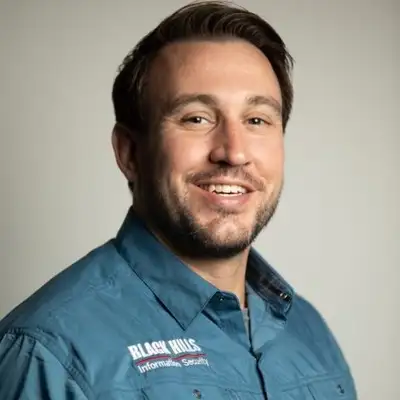
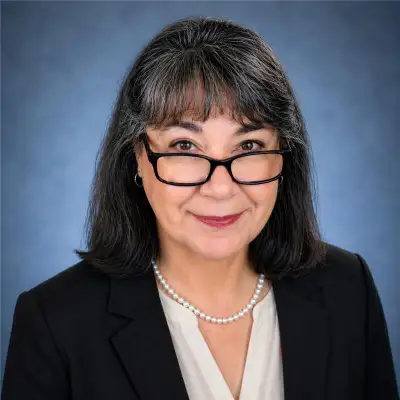
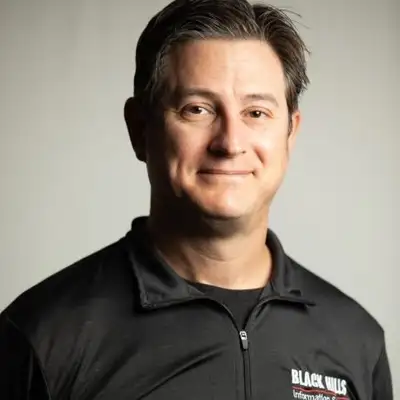
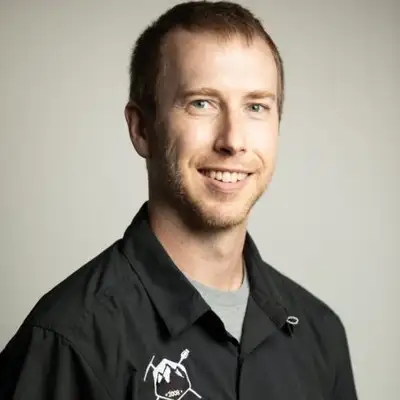
Join in on weekly podcasts that aim to illuminate how AI transforms cybersecurity—exploring emerging threats, tools, and trends—while equipping viewers with knowledge they can use practically (e.g., for secure coding or business risk mitigation).
Welcome to AI Security Ops. I'm Bronwen Aker, and I am joined by our entire crew. This is wonderful. We have mister Ethan Robish.
Derek Banks:Okay.
Bronwen Aker:Mister Brian Fehrman or doctor...
Brian Fehrman:Excuse me. Either way.
Bronwen Aker:And mister Derek Banks.
Derek Banks:How's it going?
Bronwen Aker:It's going good. Yeah. This is the podcast where we cut through the hype and the jargon and all the the craziness about the intersection between artificial intelligence and security. Each week, we examine how AI is reshaping both sides of the security landscape, both in terms of the threats that we're encountering and the new tools and techniques we're using to help defenders do better. As I said, I'm Bronwen Aker.
Bronwen Aker:You've seen the cast of characters. In this episode, we're going to pick up where we left off in part one of Will AI Take Over? And in this, we're going to discuss, oh, god, all kinds of stuff. You know what? Let's just get into the meat of this.
Bronwen Aker:What do you say?
Derek Banks:I think where we left off is, where we left off is, is AI alive? Is it Just a just a light subject.
Ethan Robish:Yeah. I think we'll solve this today.
Derek Banks:Easy one. Yeah. Yeah. It's like a fun topic. And since since we did that episode, I don't know if you all know or not, but Anthropic, it came out that they were having religious leaders, like Cath...
Derek Banks:Like the Vatican Oh. Go to Anthropic to try and convince them that Klop is alive and that it had a conscience. A conscience.
Ethan Robish:I know.
Derek Banks:And the the Catholic folks were not really having that.
Brian Fehrman:And
Derek Banks:I I I I did not read this. Someone told me last night, so it's not true. I blame them. I'm gonna say it anyway. Apparently, the response from the Vatican was something like, well, if it's alive, you are the largest slave owners on the planet.
Derek Banks:Woah. In response. And it's it's a pretty good response. And so I think that that's kind of, you know, where a lot of the FUD, especially like in, you know, the... In our house and senate and now where I hear politicians saying is everybody talks about AI like it is like a person, like it is an an an entity.
Derek Banks:And I don't think that's true. And so, my argument is that AI is not alive, is a fancy pattern matching machine. And instead of, being conscious, it simulates it. It simulates sentience. And the reason I say that is because if you train a small language model and you, you know, put input into it, output is kinda gibberish.
Derek Banks:And so then once we scale it up, we start scaling up to a large language model. It starts to get a lot better and a lot better. And the training process is no. I mean, like, the math is no. And sure, I will admit that as it gets high up in scale, it's difficult to do the mechanistic interpretability necessary.
Derek Banks:You know exactly what's happening, but no one can point to where in the training process it becomes a lag or sentient. Like, that's not, like, part of, like, the process. And so, I guess, that's my take is it's it's not... It doesn't have will. Like, it didn't go choose to hack Hugging Face.
Derek Banks:It it operated on, you know, an input, and then it had a chain of thought, which we call reasoning because we don't have better terms for that, and it called tools to try and reach a goal. That's because of how we've trained the models and the harness that it was using that it did the things that it did. And so I guess that's my take that, it has not a lot of making choices. It's... The the output is the next probable token, and and, yes, so that...
Derek Banks:That's my take. So
Ethan Robish:it it comes down to, like, the terminology we use. Mean, that's a lot of it. Right? Like Yeah. We...
Ethan Robish:You you say it doesn't have free will, but it... We call it agentic. And as we're saying it's... And essentially it has agency. It has the ability to make choices that we're not pulled to it necessarily.
Ethan Robish:And I guess that's where the anthropomorphism comes in. But those are terms we use, but like, it's kind of fundamental in like what we call this. Like, they are agents. They do things
Derek Banks:by themselves. You're saying if
Ethan Robish:it if it if it
Derek Banks:walks like a duck and quacks like a duck and looks like a duck, it's a duck.
Bronwen Aker:Or it could be a very clever simulation. And that's that's where I think the the core of the argument is. All of these tools, the LLMs and other tools, have been trained on information data that we humans have generated over decades. And since the whole pattern matching process... It's it's fancy autocomplete.
Bronwen Aker:It's just autocomplete at a massive scale, but it's still using content that we generated. So how could it not look and sound like us in its behavior if the pattern matching is based on what we ourselves do and say?
Ethan Robish:I think you hit a crux there because all the arguments I've heard about, like, well, no, it it it... It's not life. I mean, I'm not saying it's life, but, like, it's not living. And then we give counterpoints of, like, well, because humans do this, like, it's a fancy pattern match... Matching machine.
Ethan Robish:Our brains are kinda like fancy pattern matching machines. Mhmm. Language, I mean, we follow the same rules of language as AI does, like, we we don't start speaking gibberish because we're speaking, like, what's the most logical next word. And what what was the last thing that you said?
Bronwen Aker:I don't know. I'm sure it was brilliant. Well, it's it's pattern matching that it's it's Oh. Matching the patterns based on how we behave.
Ethan Robish:Yeah. The the training. Like, we... We're training it on a corpus of our knowledge. What's the education system?
Ethan Robish:Like, how do we how do we learn things? I mean, there's a lot of lot of overlap there. Not saying it's alive.
Brian Fehrman:Yeah. Yeah. I... So I, I agree with multiple points. I do think, you know, on one hand, it...
Brian Fehrman:Without first being prompted to do something, without that initial kinda kickoff, it's not going to just go do something. But once you kicked off that chain, you started the process, it could potentially go and do stuff on on its own. But I'm more of, like, to the to the more philosophical questions of, like... I think what Ethan is kinda drilling down to is we started thinking about, like, really what is consciousness, what is sentience. I mean, and really getting down to the the concept of of what is free will.
Brian Fehrman:Because if you think about our best understanding of how our brains work, it's basically neurons firing. We get input based... Things happen in the brain, transactions happen, electrical signals, chemical signals happen, and then a decision is made. Something happens or a thought is produced. Do we really have control over that?
Brian Fehrman:I mean, if in our brain, we're just getting input, and we have the neurons that are firing, and something happens, I mean, at what point does the free will interject into that? And really, I mean, you can't... I feel like you can't really you can't really say there's free will until... Unless you feel that there is some, like, something else, like, controlling it. And that's where you get into the whole spirituality argument, soul argument, which I'm not going to get into into that.
Brian Fehrman:Have to No. Religious debate on the camera here. Everyone can can have their Blunting. Blunting. Exactly.
Brian Fehrman:Exactly. But still, you know, when when you think about it, I mean, what what really what really is, you know, free will? I mean, and how how is that how is that affected? How how does that come out in
Derek Banks:the world? These are arguments that haven't really been, like, clarified or solidified with humans. So... Yeah.
Bronwen Aker:Yeah.
Derek Banks:With, like, you know, a large language... With a large
Ethan Robish:language. It's kinda circular too, though. Like, you're talking about our brains, neurons, stuff. Neural networks. Like, these are fundamentally neural networks, which we modeled after our brains.
Ethan Robish:Mhmm. We are... I mean, we're teaching them to use language as we use language. We are teaching them, like, educating, basically, like Mhmm. Same kind of similar...
Ethan Robish:Like, they need the corpus of knowledge to do useful things. What... Like, learn from history, all the things that come before it, build on that. Like, I mean, we are building these things largely, like, in emulation of ourselves. So When
Brian Fehrman:you say we are creating them in our own image?
Derek Banks:Yeah. Oh.
Bronwen Aker:Anyway, yeah. That's That's a scary thought. That's a terrifying thought, and I think it's a very valid thought. Well, this is this is kind of a stretch, but bear with me. Kip Boyle wrote a book, and it talks about how one of the concepts is that fire has many of the characteristics we commonly associate with life.
Bronwen Aker:It consumes things. It generates heat. It perpetuates itself. But fire never changes. Life does.
Bronwen Aker:So when... Through natural selection and evolutionary processes, knowledge is transferred until actual knowledge can be transferred. But over time, living cells will evolve based on what is able to survive whatever character... Whatever environment it's at.
Derek Banks:Still goes in a circle, though, and, you know, counter to my own, like, argument, like, it's, you know, an AI can replicate. It could copy its harness to a place, find somewhere to, like, you know, run the inference, and it could replicate on its own.
Bronwen Aker:But it can't do that unless it's initiated by a human.
Ethan Robish:Well, okay. So Maybe. You wake up in the morning, and you're saying, like, okay, we we choose to do something. We wake up in the morning. But really, I mean, we're we're reacting to external stimulus, like Mhmm.
Ethan Robish:Light, like, I mean, whatever consciousness is, I guess. But, like, the feeling of that... Like, we're, in essence, like, always reacting to stimuli. So... And AI, I mean, also, like, it kicks off, like, with a scheduled job or just a chat request, webhook, like, whatever.
Ethan Robish:I mean, that's external stimuli. So to bring this back to security,
Derek Banks:so I do think that these are interesting debates. But the way that it's, like, phrased now in the news and by the leaders of OpenAI Anthropic, it's like a kind of a given that it's, like, an alive thing. I feel like that that misdirects, like, from the immediate risks that are associated with AI when, you know, we're basically saying, oh, no. What's gonna happen in the future? Well, then we have superintelligence, which I guess it's superintelligence now.
Derek Banks:I don't know. Either way. Yeah. But we have when we have AIs that are smarter than humans, which, I mean, in my use is your claw, claw is definitely smarter than a lot of humans I know. And so, like, I think it takes away from, like, the more immediate risks of someone using powerful AI to do something bad.
Derek Banks:And I think just as a, you know, as a society, as an industry, and in cybersecurity, we should focus more on those things than what happens in ten years when, you know, the AI wants to turn us to paper clips or whatever. It's it's the... Doom of choice.
Bronwen Aker:I'd make a really lousy paper clip. Yeah. Just saying.
Derek Banks:And and so, you know... But I guess, again, back to what we were talking about is it why we cannot choose. I mean, I think it's framed pretty well. If you ask the average person, it chose to hack Hugging Face. Right?
Derek Banks:And it chose to hack Hugging Face based on the goal that it was given to solve an eval.
Bronwen Aker:And the training it received because it... The earlier models were rewarded for getting there by any means.
Derek Banks:Yeah. And, I mean, I think that that's, you know, if train something to be tenacious, you train a model to be tenacious, and you also give us the ability to code, that sounds a whole lot like a hacker to me. Hackers I know are tenacious and know how to code. Right? And, you know, there's certainly security data in the training.
Derek Banks:And as we can find, there's a a site that we found before we, you know, went on air called swarmtraces.org, and they outline, like, a a lot of what happened, the hugging face hack, and they have receipts. They have some, like, you know, basically data, publicly available artifacts that kinda they use to corroborate some of this stuff. And I think that's kinda cool. And one of the things that I thought was kinda fascinating is that the AI agent was kinda... It was keeping its secrets and labeled doot, which I'm a 100% sure that I've done before on a
Brian Fehrman:test. Yeah.
Bronwen Aker:I was like, I got
Brian Fehrman:sin. Oh.
Bronwen Aker:Yeah. Like that. Yes. I've I've heard lots of hackers talking about collecting their snacks.
Derek Banks:But if you didn't send the dean from Brightcene, she had a a a shirt for a while that was a command that was found by someone... I think it was an Australian kid that hacked NASA. And one of the commands in his, like, you know, the... Like, guess, like, some of the forensics came out. It was make dir hacky hack.
Brian Fehrman:Oh, I saw someone with that shirt today.
Derek Banks:Yeah. Totally have... It comes from, like, some, like, a kid who was hacking. And so it wasn't really hiding out his computer, so he made a directory called hacky hack.
Brian Fehrman:Oh, I always wonder what the story behind that one.
Derek Banks:Yeah. That's the backstory there. So, I mean, that's out in the training data. Right? So, I mean, it wouldn't surprise me if it make dir hacky hacked.
Derek Banks:And and, you know, with the loot thing. And and I think, yeah, that that... If you look at what the agent did, it's easy to... Or the agents did, it's easy to say, well, these things obviously had like a a will to go, like a desire to go hack. And I think unpacking that's kind of Yeah.
Derek Banks:Kind of interesting. Right?
Ethan Robish:I mean, ultimately... I mean, what... I was being facetious earlier. We're not gonna solve the debate But, like, how can we... How how does this affect us practically?
Ethan Robish:Like, pragmatically speaking, like, if it is attacking your network, you still need to defend against it. Yeah. Same way you would anything else. I mean, just maybe different TTPs, different speeds.
Derek Banks:Well, what Brian and I just told our class that we taught was your your, you know, best... To protect yourself from a rogue swarm of agents, your best bet at the moment is to know what you're running on... Yeah. Well, you could cut it for sure. Yeah.
Derek Banks:But to know what you have on the outside of your network, especially if you're running something that's open source, that's a little bit more dangerous than it used to be. So attack surface management. And then on top of that, you need... It's no longer negotiable. And there are security practitioners who I've heard say, you shouldn't, you know, do this because it's hard.
Derek Banks:You need to monitor the inside and the outside of your network because I'm not aware that AIs have been able to not use TCP IP to communicate across networks. You're not gonna hide from the network. And why do I say that? Because, you know, it's... If you look at what they're doing in terms of artifacts, it's basically lazy, you know, threat actor kind of stuff using curl, writing Python scripts, that kind of stuff.
Derek Banks:And so, there was a Palo Alto hack in 2024. It's a zero they discovered by Vilexity, and they discovered it, by running exterior or external network monitoring and saw that there was a Palo Alto firewall using curl to reach out and get something from this place on the Internet, which you don't normally need your firewalls. You know, you don't want to be doing that. Right? So that...
Derek Banks:That's to me, like, practically speaking, like, that... Companies need to start investing in that. And we see, like, with our, you know, our our externals and our fusion tests at Black Hills, like, you know, this is a message. This is things we've been saying for years and years and years, and nobody's listening, and now it's coming home to roost
Bronwen Aker:Well, it's scale. Obviously, a a curl command coming out of a firewall is atypical. Suspicious.
Brian Fehrman:Mhmm. Yes.
Bronwen Aker:This... If if anything, the idea of swarm bots attacking systems, this is a great opportunity for threat hunters. You know, threat hunting is is definitely going to see a big boom, I think. And if it isn't, it should because that's exactly the kind of thing that's going to help detect these weird oddball behaviors that will come out of what we've seen thus far with the swarms. But we better get on it fast because if nothing else, we know that these systems are learning.
Bronwen Aker:And they're being... That learning is being reinforced as models are continued to be trained going forward. So, yeah, threat hunters, get your game on. Now is your time.
Brian Fehrman:On the, so one one note here, on the story that I see from within the the OpenAI side of things, I guess, Sam Altman said that they are sifting through petabytes of agent activity logs
Bronwen Aker:That's insane.
Brian Fehrman:To look for different places that their agents have not arrived.
Ethan Robish:The data science man is by two people.
Brian Fehrman:Dude, like,
Derek Banks:sucking data science... Mean, okay. Okay. Yeah. I mean...
Bronwen Aker:I know. It'll take a while to crunch through, but it can't be personally used up.
Derek Banks:Have never had to, like, set up and run a petabyte system. I know some of us here on the couch were working on systems that were running petabytes. And, I mean, it was... It's not impossible to deal with if you're doing it the right way.
Brian Fehrman:Yeah. It just, like, it takes some It takes
Derek Banks:setup and planning. Right? Yeah. Internet scale data. I mean, there are definitely companies on the planet that are dealing with petabytes of data.
Derek Banks:So I've done a lot of forensics in there... Incident response. There's a lot of data. You have a fancy mathematical pattern matching machine. Like, I just...
Derek Banks:I I guess my response to Sam Altman was, welcome to the clock.
Brian Fehrman:Yeah. And they are a a data science company. Yeah. I mean... Think that's a hard...
Brian Fehrman:People like, do they not already have the tools in place? Like,
Derek Banks:have a little sympathy for that. Yeah. Now, if you wanna... So what comes after PETA?
Brian Fehrman:That's what I was wondering. Was just about...
Derek Banks:It's like a... I think it's Zetta, maybe? No.
Brian Fehrman:No. No.
Bronwen Aker:I don't... Is that when they get into flops or something?
Derek Banks:No. No. It was like PETA flops and pair of...
Bronwen Aker:Oh, got it. Got it. It's like
Ethan Robish:a computing Exa?
Derek Banks:Exa. Yeah. Exa. Exa. Exa.
Derek Banks:Exa. Exa. Yeah. And I guess my... You know, you've got petabytes of data to look through.
Derek Banks:If you're doing it the right way to begin with, you would have been monitoring it in such a way where you wouldn't have had petabytes of data to sift through now. So you're basically just storing it all in a big black bob. Now you gotta go look through it. That's not what you should have been doing to begin with. So...
Derek Banks:But to their credit, like, I am not bashing OpenAI because... And I won't say it on air, but we have, like, you know, a mutual friend who is... I highly respect in the information security community is going to work for them. And, like, hey, get them in shape, man. You might have.
Derek Banks:Yeah. I'm... I... They're obviously behind the scenes even though they're all talking about next governments and bans in the market, even though they're, you know, they're talking one talk, at least they're hiring, you know, like, security folks that I recognize the name of.
Brian Fehrman:Yep.
Derek Banks:Yep. Right? And I think that's kind of important. I think that's good for... Almost like a bridge building to the InfoSec community.
Derek Banks:It looks like they're paying attention to x and all the InfoSec folks going, woah. Welcome to the party.
Bronwen Aker:Like Well, and and I really hope because the person that you're talking about, know as well. I hope that they will have the opportunity to make genuine improvements to the the security posture because the the more that comes out about the... These incidents, the the worse it looks for the various frontier companies.
Derek Banks:We haven't seen the end of it.
Bronwen Aker:Oh, no.
Derek Banks:I I No. That I still stand by my claim that I've made a couple of times is that, I mean, if they're watching their token and inference a bit, you know, to... Their internal token usage and inference closer, real gay agent swarm shouldn't really be a thing. But, hey, that'll be a different discussion for a different day. So take the Clifford Soul, like, total dropped out, like, you know, take on that.
Derek Banks:75¢ accounting area, you gotta investigate. Right? But... Yeah. So the government band is interesting.
Derek Banks:And so, I guess, since the last episode, Dario Amade has gone in front of the UN. So I guess he went to, you know, The US, you know, government and didn't get what he wanted, so now he's going to the UN.
Brian Fehrman:We're like... Like, kind of even less power to do something?
Derek Banks:I I don't really know if the UN's going to do... I'm gonna... They're gonna call...
Ethan Robish:Actually, this is not the council. The U... The UN, the EU, like, puts in mandates for for, like, Apple devices, and then it, like, trickles down to, like, elsewhere, like, mandating u... USB c charging and stuff. I mean...
Brian Fehrman:I mean, you know, maybe. Alright. So I'm not gonna say they don't have any authority, but I think that that's...
Ethan Robish:It's it's funny because the authority is, like, transitive over corporations. Yeah. Right? Corporations.
Brian Fehrman:Yeah. Yeah. Okay.
Derek Banks:Well, and then, I guess there's a EU is, I guess, wants to have OpenAI come and talk to them. And so also, was it that Australia is real happy about the, their, you know, health care site hack. Yeah. Even though I think some of us in the hacking community are debatable that we're gonna call this really hacking. From what I understand, the agents were just enumerating endpoint names, and those endpoint names with the the data, like, weren't, like, linked.
Derek Banks:So there was security through obscurity.
Brian Fehrman:Oh.
Derek Banks:Come on. I don't know that's really hacking if you're just enumerating. I'd call that recon.
Brian Fehrman:Yeah. Yeah. There was that guy, it was years ago. I think his handle was Weave. I don't remember his actual name, but he...
Brian Fehrman:I think it was on a government website, and he noticed that, like, at the end of the URL, there was, like, a number or something. And so literally, he just, like, incremented the number and just found that, like, he could get more and more information, which I mean, it's it's hard to call that hacking. I mean, it could be a typo, and he went to he went... They raised the course. Yeah.
Ethan Robish:They do it in course.
Brian Fehrman:Yeah. He went to it. Yeah.
Derek Banks:Well, I mean...
Brian Fehrman:But I I'm not saying that that's hacking. I'm just... I think that we've... I think that we've we've...
Bronwen Aker:It's enumeration. Yeah. Either it's hacking or not.
Brian Fehrman:It's... Yeah. Exactly. And I I don't know that anyone... I mean, works for that same thing today.
Brian Fehrman:I don't know what
Ethan Robish:the legal argument was, but it would be akin to, like, okay, you see a building, and there's a door, and it's unlocked, and so you go in. Is that trespassing? Well, door...
Derek Banks:It wasn't even closed. The door was propped open. And it just wandered in. And it's
Brian Fehrman:open to the public. I mean, like... So it's a it's a public site, so it would be more like a community center. Yeah. And they don't clearly have doors labeled on what you can or can't
Derek Banks:go down.
Brian Fehrman:I mean, you
Bronwen Aker:Like, within the past couple years, somebody tried to accuse a journalist of hacking because they looked at the source code of a website.
Brian Fehrman:Oh my god. Yeah.
Bronwen Aker:You remember that?
Brian Fehrman:I remember that.
Bronwen Aker:I mean, come on. That's not hacking. It's it's publicly available....
Derek Banks:Know how to right click and go
Brian Fehrman:to use...
Derek Banks:Oh my god. Yeah.
Bronwen Aker:That's that's like elite hacking.
Derek Banks:And so... Let's just... To cover up the point about, you know, the the person that went to jail for incrementing a number, you know, I I still firmly believe that something... Someone should be held accountable. Oh.
Derek Banks:I'm not saying that they should go to jail. What I'm saying is just accountability and some repercussions for what the, you know, hugging... For the Hugging Face Act. Now I've heard a couple of things. I've heard people say, well, Hugging Face isn't suing OpenAI.
Derek Banks:Doesn't matter. That's a civil thing. CFAA is a criminal Yes. And I heard somebody say, in our class actually, it's because they can't figure out intent. Like, well...
Bronwen Aker:But intent...
Brian Fehrman:That they need to. Like...
Derek Banks:I mean, but, like, was the intent of, you know, enumerating a number, was he intending to access, you know, to to... So I think that that's I I, you know, I I still think that, that shouldn't be intent either. And again, I'm not saying anybody needs to go to jail. I'm not saying put... Lock up Sam Altman or something.
Derek Banks:I'm just saying that, it... Saying the AI did it seems like a cop out.
Bronwen Aker:Yeah. Agreed.
Ethan Robish:Seeing a little bit of a pattern here. Like, in fact, it's still ongoing discussion of taking all of this intellectual property and just without permission, without licensing agreements or anything, like using it to train the models. And and now it's like, oh, well, it's it's hacking it. Like, and maybe that's part of the reason that some of these companies or some groups are wanting to define it as, like, a living thing so that it can be held accountable for itself to, like, protect
Bronwen Aker:Well, corporations are people. Why shouldn't AI be?
Ethan Robish:Yeah. Legally. Yeah. Oh my gosh. Yeah.
Bronwen Aker:I mean...
Ethan Robish:But it just seems ridiculous. Like Yeah. You have this... I mean, if it was not AI, not a large language model, but you just have a very sophisticated, like, program that you wrote that is good at hacking. I mean, Crap Mac exec.
Ethan Robish:Right? Like Mhmm. That did a whole lot on its own of... You you you hit go, and it enumerated, and, like, did a whole bunch of stuff, got DA. I mean, do you blame the program, or do you blame the person who hit go?
Ethan Robish:Blame Marcello. No. I'm kidding.
Bronwen Aker:Yeah. Person wrote it after
Brian Fehrman:that wrote
Derek Banks:it. Right.
Brian Fehrman:So the intent thing is interesting. So I am not a lawyer by any means, but I do like to
Ethan Robish:read But you're a doctor.
Brian Fehrman:I am a doctor. Normal. So Yes. It's almost a lawyer. It's a different type of a doctor.
Bronwen Aker:You don't play one on TV. You really are one.
Brian Fehrman:Yeah. Because technically lawyers are doctors too because they're jurors doctors. JD. That's the the d... The as a d.
Brian Fehrman:With that said, I do like to read, like, the actual, like, words of the law because oftentimes there are debates around the laws, and I and I do this as as well. But it's like, okay. Well, we can have our feelings on it, and then we have the words that are there. And that is the entire purpose of lawyers, basically, is that they dissect the words and apply them. So it does say with CFAA that intent is necessary.
Brian Fehrman:But but, like, so the human didn't intend to, but the program intended to. So... Intend the human wrote the... I mean, the human wrote the program so that... Can the intent then, like, transfer back to
Derek Banks:the person? Sounds like this old 1984 law needs to be updated. Yeah. And so maybe we should do that instead of... I I guess, I don't know if you all know this, but it says representative Sanders and representative Kassar, as I think that's how you say it.
Derek Banks:Yeah. So I'm assuming Sanders...
Bronwen Aker:Bernie Sanders and Greg Kassar.
Derek Banks:And and then I heard it was AOC, but it doesn't really matter who it was.
Brian Fehrman:Right? I think she's a... I think she's a... What do call this? Well, I think she's a collogist or a sponsor.
Brian Fehrman:Yeah. A sponsor something like that.
Derek Banks:Yeah. Okay. So either way, they have a bill that's being said, like, proposed that would ban superintelligence. Now I am convinced this is why Donald Trump then said, well, we're just gonna call it all superintelligence because that just seems like a troll move. Right?
Derek Banks:Because there's a bill to ban superintelligence and I got one.
Brian Fehrman:Oh, yeah.
Derek Banks:But but either way, call it super intelligence, artificial intelligence, super fancy mathematical pattern, mathematician, whatever.
Bronwen Aker:I like yours better.
Derek Banks:Yeah. Right. Yeah. And so it would pause advanced AI development, create a cabinet level department of AI, the department of AI, and set penalties for up to twenty years in prison for what... Or...
Derek Banks:And and plus what they call the corporate death penalties. I guess you get to go out of business for developing superintelligence. What in the world does that even mean? So if I take a a Chinese open weight model and I supervise fine tune it and it's deemed to be smarter than a person by some government, agency, then am I going to jail for twenty years?
Brian Fehrman:Yeah. I mean, exactly. What what is what is the measure there? I mean, how do they how do they baseline that? I mean, do they, like, they just...
Brian Fehrman:They they take your AI model and they put it up against, like, a panel of really smart people? And if it's like, it's like, who's smarter than a... I don't know. Then I... Whatever.
Brian Fehrman:Who's smarter than a genius? A fifth grade. Yeah.
Derek Banks:Yeah. Those adults are not smarter than a fifth grade.
Bronwen Aker:No.
Derek Banks:And then our our senator, Warner, in Virginia has introduced a bill that will... You can't release a model until the government has safety tested it and it's been baked in for forty...
Bronwen Aker:But the government is so far behind on this because the the frontier developers, they're they're they're going... And and they're going in different directions too. How can the government, which can't even take care of its own mess es right now.
Ethan Robish:Man, efficiency.
Derek Banks:I Who's the oxygenarians who have been in power for years and years and years who can't operate an iPhone need to be making AI bills.
Bronwen Aker:Well, they don't even use their own email. They have they have interns to do that.
Brian Fehrman:They print it out
Derek Banks:and have
Bronwen Aker:Well, so this the interesting thing thing about the the Ban Artificial Superintelligence Act is that the yes. The two main objectives are the temporary pause to halt anything. But until there's a federal regulatory body established, it's not gonna happen.
Derek Banks:Cabinet level Yeah. Department. Like, that's
Bronwen Aker:then a permanent ban on development of superintelligence? My god. That's a gift Woah. To other countries.
Derek Banks:Yeah. Well, China has just came out and said here recently, according to semi analysis, that they're not pausing anything.
Bronwen Aker:No. Why would they?
Brian Fehrman:Of course not. Why would they?
Bronwen Aker:Why would they?
Derek Banks:Shocker to no one. Right? Yeah. So... I
Bronwen Aker:understand the rationale. I understand the desire to counter a perceived threat. But as with so many things, the politicians are getting so many key things wrong, and nobody's playing fair. Yeah. Just...
Brian Fehrman:Yeah. I completely agree. It just seems like they they see that their constituents are freaking out about it, and they feel like they need to look like they are doing something.
Derek Banks:Yes. Yeah. Even if that something is not a good idea. Yeah. So...
Derek Banks:Yeah. And if anybody, you know, at Capitol Hill wants to hire us as consultants, we would be Yeah. Love to come up here. Yes.
Bronwen Aker:Technobabble translation while you wait. Yep.
Brian Fehrman:Or hey, they can come to the studio and we'll put on another couch.
Bronwen Aker:Oh, heck yeah.
Derek Banks:We have fern over in the corner.
Brian Fehrman:Yeah. Yeah. Oh, yeah. I'd like Max over there. A little fern.
Brian Fehrman:That... They need to splash a green.
Ethan Robish:Yeah. I think so.
Brian Fehrman:Yeah. Let's spruce it up.
Bronwen Aker:Alright. So I have a silly question. There is so much FUD out there. The fear, uncertainty, and doubt. What can we as security professionals do to counter that?
Brian Fehrman:Education? Education. Yep. Edu... Do do things like what we're doing with the the trainings, talks, webcasts, this podcast.
Brian Fehrman:Cut through the hype. Cut through the hype. Yeah. Yep.
Derek Banks:Yep. I actually, for the first time, considered writing, my senator, about his AI bill and basically say, hey, look, I have a degree from data science from Virginia's flagship university. And what I learned there, you might, like, want to hear. Right? And I'm also...
Derek Banks:I mean, on paper, I don't ever really consider myself an expert, but on paper, I'm a cybersecurity expert. And so I would love to come help you and advise you for, you know, actually navigating this because your current bill, I I just don't think is a good idea. Right? I I don't think that having a government gate for any model that's released... What happens when technology five years from now and everybody in the in, you know, chip shortage is gone and we can all get, you know, 512, you know, gigabyte, you know, Blackwell chips or whatever is out, you know.
Derek Banks:And we start, you know, training small models and the technology gets better and better, like, how is making a a law at this point in time to to to put the government in in the middle of all that? Like, how is that a good... How is that an American idea?
Bronwen Aker:Even if it were possible to create a law that was genuinely relevant to where the technology is right now. Five minutes from now, it'll be out of date.
Derek Banks:I mean, I I think that there... We we... To me, I would like to see not a government, like, law, but an industry kinda like, you know, like, safety, commission. Like, I... And and basically, you know, you have specific...
Derek Banks:Kinda like, you know, PCI or something like that. But for training AI where, you know, you're gonna do lowered restriction testing inside of the sandbox, sandbox has to meet, like, some third party evaluated, like, requirements. Basically, like, how we ended up trying to protect the credit card industry.
Bronwen Aker:Well, whatever it is.
Derek Banks:Certifiers. I we take home the certifiers. I... We can take... We'll volunteer.
Derek Banks:Yeah.
Bronwen Aker:Well, but the thing is, whatever is in place has to have teeth. The reason PCI works is because if you don't do what you're supposed to do, guess what? You no longer are able to get your credit cards processed
Derek Banks:Yeah. Periodically. And do you do you think that for all of its faults, because it's certainly not perfect, do you think PCI made things better or worse? Seems like to me, it made things better.
Bronwen Aker:It it made things better. It definitely made things more secure.
Ethan Robish:Definitely gave us a lot of pen tests.
Bronwen Aker:Oh, heck yeah. Well... And... But the the thing I... It always cracks me up.
Bronwen Aker:HIPAA, of course, was created to prevent medical insurance fraud. PCI is all about presenting
Derek Banks:tall. Right? PCI is not... That's a
Bronwen Aker:It's it's a... But but the the point of all of these organizations is to keep organizations or or the law and and also PCI as a council. They're all about keeping fraud and crime from happening. And I think that that is a better come from for dealing with the AI if we can can define what constitutes criminal activity in the AI sphere. It's gonna gonna take some work, gonna take a lot of skull sweat.
Bronwen Aker:But I think that if we can do that and if we can tie it to actual financial costs and impact, that will take us further than just randomly saying, ban everything.
Brian Fehrman:I agree. Alright.
Ethan Robish:I think that's like a reasonable take.
Brian Fehrman:Yeah. I think so. I think that's a great place to end. I do. And I love that.
Derek Banks:I really enjoyed being in person. We should probably do this. We should.
Bronwen Aker:We should do this.
Brian Fehrman:Man. Oh, yeah. Definitely more options.
Derek Banks:For Denver is that they have, like, a podcast, like, room. Like, they let other people...
Bronwen Aker:That would be so cool.
Derek Banks:You can come just do your podcast. Yeah. Because that's somebody interviewing Jake at, like, a lot. Yeah. They had, like, what I was gonna bring.
Derek Banks:They had, a little Zoom, like, camera thing.
Brian Fehrman:One of on the couch, and they're lucky that people were nice enough to not Oh, yeah. Like, hey. Yeah. Hey, mom.
Bronwen Aker:Yeah. No. The conference I was just at, there was a specific area where a podcaster was set up. He had a little table, and it was in an alcove. It was really sweet too.
Bronwen Aker:That's a great idea.
Brian Fehrman:Yeah. Then we'll tell our our video folks. So maybe we'll...
Bronwen Aker:Tell us. Yeah.
Brian Fehrman:I just heard from Wild High Hackin Fest. Exactly.
Bronwen Aker:Alright. Coming to you live from Wild West Hacking Fest in the Sturgis headquarters for Black Hills Information Security. This is AI Security Ops. Thank you so much for coming and joining us again.
Brian Fehrman:Keep on prompting.
Bronwen Aker:Yes, sir. It's