Subscribe
Share
Share
Embed
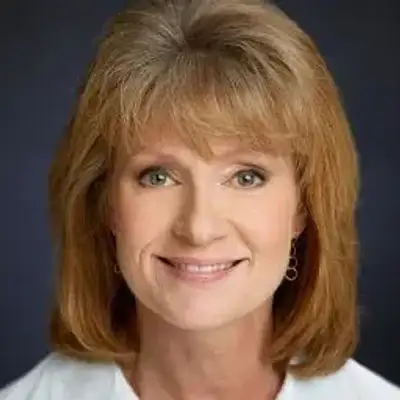
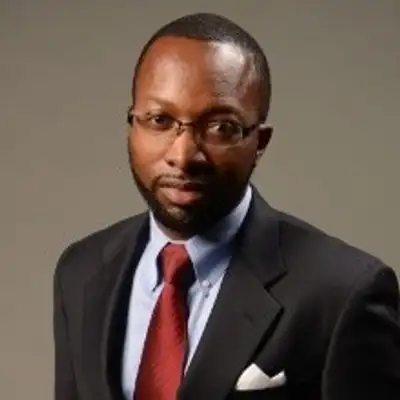
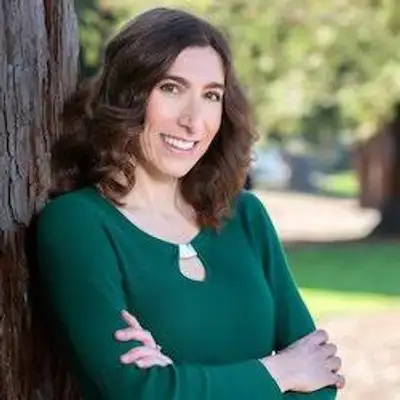
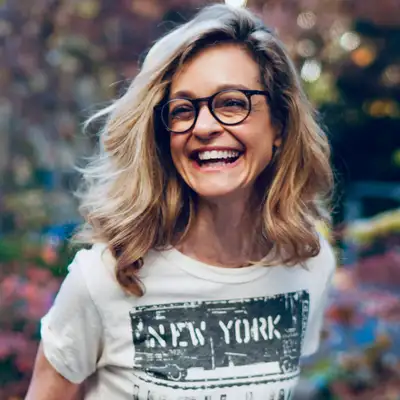
Conversations shaped by data | Stat Speaking with JMP brings together scientists, statisticians, engineers, and innovators to explore how data influences the way we work, lead, and understand the world.
STAT SPEAKING WITH JMP
Episode 1: The Art of Science Communication
Featuring Dr. Regina Nuzzo and Dr. Kristin Sainani
Hosted by Anne Milley
[00:00:11] Anne Milley
Welcome to Stat Speaking with JMP, The podcast where we explore the stories behind the stats and the science shaping our world. I'm your host, Anne Milley. And for our very first episode, we are thrilled to welcome not one, but two dynamic voices in the field of statistics Dr. Regina Nuzzo and Dr. Kristin Sainani.
[00:00:29] Anne Milley
As co-host of the Normal Curves podcast, they have dedicated their careers to making the world of data more accessible, engaging and fun for everyone. Dr. Nuzzo is a renowned statistician and science communicator, celebrated for her ability to turn sophisticated statistical ideas into captivating stories.
[00:00:48] Anne Milley
Dr. Sainani, also a leading statistician and accomplished science writer, is known for breaking down
[00:00:54] Anne Milley
even the most complex statistical concepts into clear, relatable insights.
[00:00:59] Anne Milley
Together, they bring a rare blend of expertise and passion for translating advanced statistical thinking into knowledge that truly matters for our everyday lives. Whether you are a researcher, a data enthusiast, or simply curious about the impact of statistics, you'll find their thoughtful and approachable style both informative and inspiring. We're absolutely thrilled to dive into conversation with them today and learn from two of the best in the field.
[00:01:27] Anne Milley / Kristin Sainani / Regina Nuzzo
Welcome, Regina and Kristin. We're so delighted to have you here. Thanks, Anne. Thanks for having us. Anne. So let's start by talking about your awesome podcast, Normal Curves. How did you get into podcasting?
[00:01:39] Kristin Sainani
Yeah, so we have been friends since graduate school, actually, Regina and I, and we've kept in touch over the years. We actually have somewhat parallel careers.
[00:01:47] Kristin Sainani
And a few years ago, I asked her to come and co-teach a course with me at Stanford. And for that course we taped lectures ahead of time video-podcast style,
[00:01:58] Kristin Sainani
meaning we would present a case study, we would actually have a conversation about the case study, and then we would get to the statistical technical concept that we were trying to teach.
[00:02:07] Kristin Sainani / Regina Nuzzo
And it was our students who watched those videos and they said, we are watching those on Friday night instead of Netflix, which
[00:02:15] Regina Nuzzo
we took us a huge compliment. Yes. And they said, hey, you guys should do a pod like a podcast for real. And so that planted the seed, took us a few years to get it together and do it.
[00:02:26] Regina Nuzzo
But that was the origin. Yeah. Beautiful. Yeah. So Kristin and I both have these science journalism backgrounds, so I think it was really natural in some ways for us to combine this idea of teaching statistics and explaining things with stories, because our science journalism background, it teaches us how to tell stories to reach different audiences. And we wanted to reach our students this way.
[00:02:53] Regina Nuzzo / Anne Milley
And it really makes for a more powerful type of teaching to really get students and people where they need it. And I think, Kristin, you and I had both looked around at what was out there in education, and we felt that there was a gap, that it wasn't just about formulas or about theory. And where was the human element, where were the stories?
[00:03:20] Anne Milley / Kristin Sainani
But then in science journalism, our experience in science journalism, people were treating scientific evidence as if it were something that was just set in stone. And they didn't teach people how to think things through. And so Kristin and I both wanted to bring something different and bring this interactive, conversational approach. Well, it's
[00:03:44] Kristin Sainani
a real public service that you're helping to translate important science because it does impact our everyday lives.
[00:03:49] Anne Milley
And I'm meant to ask also the follow up question, how do you choose what episodes you'll do, what things you'll cover? We have a running list of things. So basically anything that we find fascinating and that covers a very wide range. We have listeners that submit ideas all the time, and we come across in social media or in the news what's happening.
[00:04:15] Kristin Sainani
Anything that we find fascinating. So we feel like if we're passionate about it, then other people will be too, and they'll follow us along for the ride.
[00:04:23] Kristin Sainani
Well, since you started this series, what's been the most rewarding or surprising thing?
[00:04:30] Kristin Sainani
Yeah, I mean, we started it with a certain audience in mind, which was kind of our students, right?
[00:04:35] Kristin Sainani / Regina Nuzzo / Anne Milley
Young scientists, people who might have to interact with statistics either through reading papers or maybe even doing statistics themselves. And
[00:04:42] Regina Nuzzo
we've been very surprised at how wide the audience has actually been. So we have everyone from non-scientists listening who are just interested in everyday health and understanding where health evidence comes from. And then we actually have professional statisticians listening.
[00:04:57] Regina Nuzzo
I think that was the biggest surprise to me. So when we were at the Joint Statistical Meetings in Nashville this past summer, the big statistician meeting, we actually had fans who are statisticians wonderful. And we thought, well, they already know all of this statistics, but they enjoyed just the banter and the examples and the applications
[00:05:17] Anne Milley
that we are using on the podcast.
[00:05:19] Anne Milley
So that's been really fun. And the stories and the calling out of bad science and the calling out of bad science. Yes, that's the public service part. Yes, yes. I'm so impressed with how many people are just listening. Just because they're curious. They're not scientists, they're not statisticians, and they just want to have the tools to understand things a little bit more.
[00:05:40] Regina Nuzzo
And they are willing to really go deep with us. I mean, we're talking about survival analysis. We're talking about logistic regression. We're talking about complicated things. And they go along with this on this journey. And I think that shows a huge amount of trust, but also curiosity. People really want to understand things more than we think. And we want to encourage more curiosity because it's good for all of us.
[00:06:04] Regina Nuzzo
Yes. Well, let's now turn to some of your personal journeys in science communication. So, Regina, I think you've set a record for neuroplasticity when you had this cochlear implant and had to rewire your brain. Tell us how that has affected how you
[00:06:19] Regina Nuzzo / Kristin Sainani
interact with others when you realize what science can do for us. But communication. So and you write it with rewiring my brain.
[00:06:28] Regina Nuzzo
And this was extremely difficult and probably the most difficult thing I've ever had to do in my life. So I was born half deaf and then lost more hearing over time. And that process of losing hearing and then getting back some of it, or at least a simulation of hearing, I think had really shaped how I view communication, because I realized that everyone understands things differently.
[00:06:59] Anne Milley / Regina Nuzzo
You can't just tell someone the same thing over and over, right? Louder and louder and expect them to understand. We
[00:07:10] Anne Milley / Kristin Sainani
our brains are not computers. No, they're very, very smart, very complicated. But we are stuck with the brains that we have, not the brains that we want. And sometimes we need to find different ways to help people understand.
[00:07:28] Kristin Sainani
And this
[00:07:28] Kristin Sainani
communication, this idea of being able to explain ideas and how people share information, we can take it for granted, like this is very precious. And sometimes we need to find new ways to get into this emotional hooks or metaphors or something exciting. So I feel like this has all made me a better communicator, actually, from having this up-close, front-row seat to neuroplasticity and lacking communication, lacking access, and perhaps also the pause that you have to how you're processing it.
[00:08:06] Kristin Sainani
And because you had to learn to process it differently. That's amazing. Yes. Thank you for sharing that. And Kristin, you do so much as a writer and as an educator.
[00:08:15] Kristin Sainani
What first drew you to the challenge of complex things like clinical-trial methodology and complex statistics, and making that more relatable for your students? Yeah. So after grad school, I was planning to get out of academia, so I actually went and did a program at UC Santa Cruz.
[00:08:33] Kristin Sainani / Anne Milley
They have a wonderful science writing program there. I actually Regina did it a few years after me, and that program was so eye-opening because the first thing they teach you about writing there is you want to be interesting, you want to be as clear as possible, and you want to be as simple as possible. And I feel like in science we implicitly teach the opposite, right?
[00:08:57] Anne Milley / Regina Nuzzo
It's almost like we're taught be as boring as possible, be as inaccessible as possible, and be as overly complicated as possible. And so going to that program was a total revelation to me, because
[00:09:08] Regina Nuzzo
when I was a grad student, I had to go to a lot of talks and read a lot of papers, and they were so difficult to get through.
[00:09:17] Regina Nuzzo
Yeah. And sometimes I felt like, oh gosh, is something wrong with me, right? Like, I don't have enough knowledge yet or I'm not smart enough. And I realized through the program at UC Santa Cruz, no, the problem was not with me. The problem is with how we communicate in science. And
[00:09:32] Regina Nuzzo
so a theme of my career has been trying to go back and tell scientists we are writing and communicating wrong in science.
[00:09:39] Anne Milley / Kristin Sainani
There is a better way to do things. And so I ended up back in academia sort of by accident, partly because all the skills I learned in that program about how to translate complex things for wider audiences turned out to be very applicable for teaching the audience I serve, which is mostly doctors, very smart, but might be a little intimidated by math.
[00:10:02] Kristin Sainani
And so my career has been, you know, spent a lot of time trying to make things accessible, not dumbing things down, but making sophisticated things accessible. And I think that's we have a duty to do that in science, actually. It is so important and especially for doctors to understand concepts. Yes.
[00:10:17] Kristin Sainani
We hear a lot about that. So how do you actually use stories to make cold hard data feel more relatable. And and for people that don't live in data tables all day? Yeah. Well, like I said, we have this background where we explicitly learned how to tell stories, and humans are hardwired to learn through stories. This is the way that, sitting around a campfire.
[00:10:43] Kristin Sainani / Regina Nuzzo
This is how we shared information. It was an oral tradition. It was stories.
[00:10:47] Anne Milley / Regina Nuzzo
And the best stories really have a human element in there. They are centered around things that people care about, they are centered around questions and curiosity. In the podcast, we center every episode around a certain claim or a certain question. Is a little bit of alcohol good for your heart?
[00:11:12] Regina Nuzzo
Is there a vitamin D deficiency epidemic? That's my favorite in the U.S. such a good episode. And we're finding things that people are naturally curious about and sparking their curiosity. And we're bringing in that that human element, and we're making things very concrete. So stories need to start with curiosity and making people wonder what happens next and surprising them and bringing in a little bit of humor, a little bit of personal element.
[00:11:46] Anne Milley / Regina Nuzzo
And that's what we do with our teaching. That's what we do in our science journalism and what we do in the podcast as well. Nice. Yeah. Well, trying to explain things like probability and uncertainty has to be tough for the general public. So what do you find is the hardest part about getting those concepts across? Clearly. Oh yeah.
[00:12:06] Regina Nuzzo
I mean, we try to teach some pretty abstract and technical concepts on the podcast. Like Regina was saying, survival analysis. We did inverse probability of treatment weighting. We've done, you know, residual confounding some some higher level but abstract concepts. And it's challenging on the podcast because I don't have a board. Right. Yeah. Right. We're just doing this verbally, which is an even bigger challenge.
[00:12:29] Regina Nuzzo / Anne Milley
So we do a lot of thinking about how deep do we go and how much, how far do we go deep into these topics and what's the right balance. And we end up trying to do a lot of metaphors and analogies, because we want to get the intuition across more than a formula. Right? Right. And those metaphors and analogies, sometimes we spend some time trying to come up with those to hit the right balance.
[00:12:51] Anne Milley / Regina Nuzzo
That's actually an accurate way of describing. So we for survival analysis, for example, we had we were talking about it like a game show survivor and how quickly people are being voted off each island. That's that's kind of like survival analysis time to event. Right. So we spent a lot of time coming up with those analogies. And it allows us to be creative.
[00:13:12] Regina Nuzzo
But also they can be they can be tricky. It can be okay. Well, and you're also getting across to the public, I think limitations of the data, the recent one you did on the survey is about how they changed the question. And they have to understand that you can only go so far with the way these data were collected.
[00:13:29] Regina Nuzzo
And and then they appreciate that. They appreciate the statisticians that are able to say, if you want to try and answer this question, we're going to have to approach it differently or go back and ask something else or whatever. And that's not even one that you have to have a background in statistics. And they took questionnaires from NHANES and they in the paper say, oh, look, all of a sudden, America started sleeping a huge amount more in 2015.
[00:13:53] Regina Nuzzo / Anne Milley
This is where we need common sense. And you don't need to be a statistician. Of course, the NHANES questionnaire was changed about sleep in 2015 and they missed that. And so we're trying to get across this idea that anybody can look at the literature and use some common sense and ask yourself, does that make sense that America all of a sudden overnight started sleeping more?
[00:14:11] Anne Milley / Kristin Sainani
No, it doesn't make sense. Yeah. Yeah. No, that was a great example. And give them that option. If we're all wearing sleep devices
[00:14:17] Kristin Sainani
better, capture the time we're sleeping, put that in first rather than what time you go to bed. Right. Exactly. Yeah. Yeah. The question I think get into the quality of the data is really important.
[00:14:26] Kristin Sainani
And I think that people are really capable of understanding more than sometimes we give the public credit for. I think that people generally do understand things around uncertainty or methodology, or how you're asking questions or a little tricks, or sloppy in your analysis. But sometimes in education or in science journalism, people are making it more difficult than it needs to be, and it does not need to be.
[00:14:55] Kristin Sainani
I think people have a good intuition about these things, and so we try to bring it back to that, that intuition and common-sense ideas. Statistics has, I think, intimidated a lot of people and made them think, oh, I can't do statistics, and we are trying to do the opposite and say, yes, everybody can do statistics if it's
[00:15:13] Kristin Sainani / Regina Nuzzo
taught, right?
[00:15:13] Regina Nuzzo
Right. Yeah. You know, instead of trying to intimidate people, and especially if it's taught with an applied perspective first rather than a theoretical. Absolutely. Yeah. Good. So topics like coding and advanced statistics can be a little scary to some people, as you were just saying. So do you have any go-to tips or tricks for making the technical topics feel less intimidating and more approachable?
[00:15:34] Regina Nuzzo
Well, it keeps coming back to the story I think we've been talking about. And you know, I keep saying it over and over, bringing concrete ideas or examples. Sometimes people worry, oh, I'm dumbing it down or I'm simplifying it too much, but simplification just makes it
[00:15:55] Regina Nuzzo / Anne Milley
approachable, accessible. You get to enter into this world that you have a firm grasp of, and then you can go deeper.
[00:16:04] Anne Milley
You can do an iterative, you know, kind of spiraling thing where you go deeper and deeper, but you get a good entree into that. And one of my favorite, favorite tricks when I'm telling people how to understand these ideas is to start with a question and motivate it around that, because all of a sudden people will pay attention and they will start to understand what you're talking about.
[00:16:30] Regina Nuzzo
I think more people are open to seeing tools that help them deal with uncertainty
[00:16:35] Regina Nuzzo
thing. More people are studying statistics and people are studying data science. So there's there's hope. Yeah. Good. So if you could give other scientists and statisticians advice on how to better connect with everyday audiences, what would you have them do differently?
[00:16:49] Regina Nuzzo / Kristin Sainani
That's a great question. I think one of the big misconceptions, something Regina just mentioned, when you tell scientists, hey, you're going to be communicating with lay audiences, they automatically think, oh, it means I have to dumb things down. And I think that is absolutely the wrong way to conceive of it. The way that I think about it when I'm communicating with everyday audiences is you are being as accurate as possible, but reducing precision, right?
[00:17:15] Kristin Sainani
So there's a level of detail that a lay audience doesn't need to know. And I kind of think of it as a hierarchy of details. And you have to convey. So if I was writing about, you know, a weight loss clinical trial, for example, I need to get across who was studied. What were the main take-home messages are, but I don't need to tell them a linear mixed model was used or that I coded in SAS.
[00:17:37] Kristin Sainani
Right. Right. And so it's a it's figuring out that prioritization of information and getting rid of the details that don't matter for the audience, but it's not dumbing it down. You can still write in a very sophisticated communicate in a very sophisticated way and get across sophisticated information just by getting rid of the lower level details that aren't relevant for that audience.
[00:17:58] Kristin Sainani / Regina Nuzzo
And I think if they could, if scientists could see it that way a little bit better and get out of this idea that they're somehow dumbing down, which tends to mean that they make it vague and non concrete. I think that would that would be great. Yeah, it's a lot of work to distill down the main bit. And one of my favorite quotes that's attributed to Blaise Pascal, I think, and others is forgive the length of this letter, I didn't have time to be brief.
[00:18:21] Anne Milley
I used that in my my, of course, all the time. Yes. And you need to understand something better in order to distill it. And I don't like the word simple because people makes it sound like it's dumbing down. But you need to understand things better to get the essence. Let's say that the essence of what it is—the spine.
[00:18:41] Regina Nuzzo
Yeah, I think, and so it's more fun. It's more challenging because it's even I as an expert, you never understand something as well as when you're forced to explain it to someone else. Right. And and both sides benefit that way. I deepen my understanding, we every time we try to figure out how to discuss, you know, survival analysis and regression and confounding, we find a new creative way to think about it and approach it, and it deepens our understanding of different perspectives.
[00:19:17] Regina Nuzzo
And it helps our audience. You really have to know it better in order to explain it simply in a in a strange way. Right. And you a lot of the scientific literature, I feel like the way scientists communicate, they're hiding behind abstractions. And sometimes that means they actually haven't understood it at that deeper level, or they haven't gone back and remembered what it means at that deeper level.
[00:19:37] Regina Nuzzo / Anne Milley
You really have to do that to communicate to a wide audience. Excellent points. Well, there are probably many researchers and scientists who would like to better communicate the importance of their work.
[00:19:47] Anne Milley / Kristin Sainani
besides taking Kristin's amazing Coursera course writing in the sciences, which, by the way, the social media feedback that I see on that you are so valued for this,
[00:19:58] Kristin Sainani
that you're bringing to them, but are there other other things you would advise the scientists and researchers about conveying the importance of their work?
[00:20:06] Kristin Sainani
We'll definitely start with that because it really is. It is an excellent course, and I think that is maybe a first entry into reading more science journalism. Just start there. And whether you want to start with old school New York Times, right, or economist, economist, terrific science journalism or finding Substacks in your particular area, there are some Substacks about everything now written by journalists or experts in that area that love communicating or podcasts. It does not even need to be normal curves.
[00:20:42] Kristin Sainani
It can be lots of other podcasts, but listening how other people—how experts have figured out ways of doing this, and the other advice that I give to people is to engage in an honest conversation with other people. So how often are we at conferences and someone says, okay, tell me about your latest project or your latest research, and you just give the top level or the jargon filled explanation of what it is that you're doing.
[00:21:11] Regina Nuzzo
And both sides are just kind of nodding and nodding, and no one wants to admit. Wait a minute. I'm sorry. Do you mind going back and explaining that to me? My my favorite analogy for this is explain like I'm five, right? So it's not that I'm dumb, I'm just ignorant. There's a very big difference. That's true. And I think once you engage in that conversation, say, no, wait a minute, exactly what do you mean by this?.
[00:21:36] Regina Nuzzo
Then it can lead to fun things. And then both of you are forced to open your mind and practice this communication. And so I think it's just all about practicing it and being open to trying new things that way. Yeah, and stop trying to sound smart, right? Yes. Right. I think that's one of the reasons that my course writing in the sciences has resonated with so many young scientists is because I'm I'm not putting on airs in it.
[00:22:03] Regina Nuzzo
I'm saying writing is hard for everybody. This is hard. And I think that shared kind of, you know, this is a hard task. And it's okay that it's hard and you don't need to sound smart. You can just see what you mean. That I think frees people up. And that's one of the reasons the course is so popular, I think.
[00:22:20] Anne Milley
Yeah. So don't, you know, just be real. Yeah, that's great advice. And maybe they should all practice giving Ted talks because that forces you. Yes, absolutely. That is yeah it does. Very good. Well, are there any specific tools or techniques that you absolutely love that you find make the data more engaging and that our audience should try? Well, always data visualization.
[00:22:41] Anne Milley
Right. So if you have data and you want to show it in, you have to think about the story you're telling and have a very clear take home message. But data visualizations are great. Nowadays with AI becomes easier to do. Good data visualizations, interactive data visualizations, or dynamic data visualizations are also really, really effective with general audiences.
[00:23:02] Anne Milley
Very good.
[00:23:03] Anne Milley
Okay, so to wrap things up with one final question that we're asking all of our guests this season is what advice do you have for early career scientists or engineers?
[00:23:13] Anne Milley
I think right now it is more important than ever to really make sure you're understanding things at a deep level and moving away from rote memorization, rote problem-solving, which has been really important in the past, because of course AI now is going to replace a lot of that.
[00:23:31] Speaker
So it becomes even more important to have to make sure you understand your field and everything at a very deep level. And also communication, I think, is more important than ever before. I mean, we think of AI as going to replace writing and communication. It's not it's not that good at it. But you're going to stand out. Now if you are a person, a scientist who can communicate things better than AI can.
[00:23:54] Speaker
And so, you know, learning to write well, learning to communicate all the things we're talking about today, I think are going to be even more important in the future.
[00:24:01] Speaker
I second that. Excellent answers. I'm going to come from a slightly different approach on that. Just thinking about career and thinking about who I was back at the beginning of my career.
[00:24:12] Speaker
I think my distilled advice would be to have the career that you want to have, and not that other people want you to have, and it's very easy to get caught up in what other people think is success or the right way to go. And some of the most successful and creative and interesting and happy people I've known in their career have not taken a traditional path, and they've been unafraid to just stay open to new opportunities.
[00:24:50] Speaker
They may arise. And like Kristin was saying, we're in a very interesting time now. Things are changing. So to have one idea in mind of what your career is going to look like and what the path is going to look like, you can be really closing yourself off from very interesting ideas to stay open and stay curious to what it is that makes you excited and then follow.
[00:25:14] Speaker
Follow that throughout.
[00:25:16] Speaker
Excellent advice. Change is the one thing we can count on. So new opportunities are created all the time.
[00:25:21] Speaker
Thank you both so much. It's been such a delight to host you on our first episode. We're honored. Thanks, Anne.
[00:25:27] Speaker
And that's all the time we have for our conversation today. A huge thank you to our incredible guests who agreed to be on our very first episode of the newly structured STAT!
[00:25:37] Speaker
Speaking with jump, Dr. Regina Nuzzo and Doctor Sainani. And thank you for joining us and making the complex world of gaining real insight from data. So much fun to explore. We want to keep this conversation going with you wherever you are watching right now. Please scroll down to the comments and share your thoughts. What was your biggest takeaway from today?
[00:25:58] Speaker
Do you have any things that you want to share and how data shapes our world? Drop them below. We want to hear from you
[00:26:06] Speaker
if you enjoyed today's episode, please hit that like button and share it with friends or colleagues and subscribe to our channel so you never miss a conversation. If you're interested in learning more about jump, visit us at JMP.com.
[00:26:18] Speaker
Jump is statistical software for dynamic data exploration and the reason that we're here gathered today for these conversations. Thank you so much for joining. And until next time, keep exploring the stories behind the numbers.