Subscribe
Share
Share
Embed
In episode 69 of the Maffeo Drinks Podcast, Chris continues his conversation with Felice Capasso, diving deep into consumer misconceptions in the alcohol industry and how brand advocacy should be approached.
They examine consumers' misunderstandings about production processes, using the example of whisky from Scotland.
They also discuss the importance of educating consumers and professionals, the difference between creating a trend and establishing a category, and how to stand out in a crowded market.
Real-life analogies, like Italian food specialties, help illustrate the nuances of education and branding.
Additionally, the episode touches on the importance of retention in the hospitality industry's workforce and how brands can use logical, fact-based approaches to educate and engage effectively.
00:00 Introduction and Episode Overview
00:29 Consumer Misunderstandings in the Spirits Industry
03:59 The Importance of Open-Mindedness and Education
06:39 Creating and Defining Categories in the Spirits Industry
9:53 Pragmatic vs. Fluffy Storytelling
19:37 Building Category VS Cannibilizing Category
30:49 The Role of Education and Retention in the Industry
40:30 Closing Remarks and Contact Information
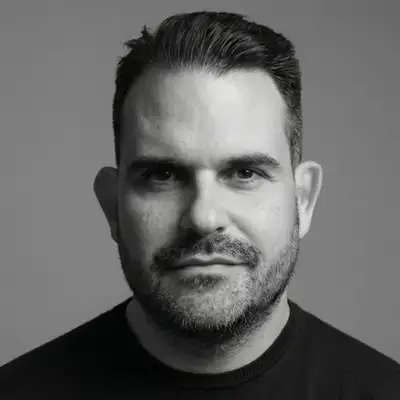
About The Host: Chris Maffeo
About The Guest: Felice Capasso
In episode 69 of the Maffeo Drinks Podcast, Chris continues his conversation with Felice Capasso, diving deep into consumer misconceptions in the alcohol industry and how brand advocacy should be approached.
They examine consumers' misunderstandings about production processes, using the example of whisky from Scotland.
They also discuss the importance of educating consumers and professionals, the difference between creating a trend and establishing a category, and how to stand out in a crowded market.
Real-life analogies, like Italian food specialties, help illustrate the nuances of education and branding.
Additionally, the episode touches on the importance of retention in the hospitality industry's workforce and how brands can use logical, fact-based approaches to educate and engage effectively. 00:00 Introduction and Episode Overview 00:29 Consumer Misunderstandings in the Spirits Industry 03:59 The Importance of Open-Mindedness and Education 06:39 Creating and Defining Categories in the Spirits Industry 9:53 Pragmatic vs. Fluffy Storytelling 19:37 Building Category VS Cannibilizing Category 30:49 The Role of Education and Retention in the Industry 40:30 Closing Remarks and Contact Information
About The Host: Chris Maffeo
About The Guest: Felice Capasso
The MAFFEO DRINKS Podcast is a leading drinks business podcast delivering actionable insights for drinks leadership.
For founders, directors, distributor MDs, and hospitality leaders navigating the tension between bottom-up reality and top-down expectations.
20+ years building brands across 30+ markets. Each episode features drinks builders: founders, distributors, commercial directors, sharing how the drinks industry actually works. Not the conference version. Honest conversations.
Insights come from sitting at the bar.
Beyond episodes: advisory for leadership teams, subscription with episode deep dives and principles to navigate your own reality.
Beer, wine, spirits, Low and non-alcoholic.
Bottom-up Insights & Episode Deep Dives at https://maffeodrinks.com
Welcome to the Maffei drinks podcast. I'm your host, Chris Maffeiro. In episode 69, I continue the conversation with Felice Capasso from episode 68. I hope you will enjoy our chat. I have a small ask that means a lot to me.
Chris Maffeo:If you enjoy this podcast, take the time to leave a review on Spotify or Apple Podcast. You will also find a detailed transcript of the episode on mythirddrinks.com, where it gets pre released twenty four hours before other platforms.
Felice Capasso:I think there is a big misunderstanding, right? This within our industry when it comes to consumers and because many consumers, for example, they go and visit a distillery, right? They learn the practices they have in place for that distillery, the production process and the way they do things. And they believe that these things that they learned are to be applied to the whole category.
Chris Maffeo:Absolutely. That's true.
Felice Capasso:Right? So understanding instead that's that's the way they do things, I'll give you a very quick example. In Scotland, the three most commonly known type of whiskies are single malt blended and grain whiskey. Grain whiskey is typically distilled in column steels. However, you could easily, you could by law, make grain whiskey in pot as well, as long as you don't use 100% malted barley and still call it grain whiskey.
Felice Capasso:However, typically grain whiskey is made in columns. Malt whisky must be distilled in pot. Now, me consumer who goes to visit a distillery in Scotland, and this is just as an example, and that's where I learned that a column still is used to produce a grain whisky. And I know from my experience that a grain whisky is slightly lighter in style because it's distilled to a higher distillation strength and a malt whisky is distilled in pot, that's why it's more characterful. Then it's pretty much, you know, the problem comes when I, as a consumer, who has just witnessed and learned these things, go out, go and visit production facility somewhere else in the world and then apply the same things there.
Felice Capasso:Because pretty much in my mind now, column stills only create light or neutral spirits, pot stills only create characterful, oilier, more mouth filling kind of spirits. Need to understand that laws and traditional practices change by category and by style within that category.
Chris Maffeo:While you were talking, I was thinking about, like, since we are both Italian, you know, like, it's a little bit like when non Italians are talking about Italian food. Like, it always depends, you know, the city they visited or the friend that they had that during Erasmus or, you know, boyfriends or girlfriends or whatever that is, you know, like, you know, if someone comes to your lands, you know, like in the South and your grandma is making ragu for them, it would be with a, you know, big piece of meat boiling for and cooking for eight, ten hours, whatever. If they go to Bologna, it would still be ragu, but it would be minced meat, you know. So it's exactly the same thing is like is ragu with minced meat or with a proper chunk of meat. So people tend to fill up your, let's call it ignorance from a technical perspective.
Chris Maffeo:Not knowing, you know, and then the moment that Felicia tells me something, then I feel so energized. And as like, shit, I got it, you know, now I got it now. Now I know everything. Now I know everything. I've been to the distillery.
Chris Maffeo:I know everything. I've been to the training with that brand ambassador. He explained it to me. That's the way forward. Know, like now I will explain it to everybody like that.
Chris Maffeo:But that's, you know, they're all imperfect sciences. This one now, you know, like you never really grasp them in. It's keeping on educating. I mean, you are an educator and you are still opening bottles, drinking them, tasting them to understand how to do it because you never reach the top of the mountain.
Felice Capasso:Yeah, let me just make something clear here. What I'm complaining about is not the fact that people don't know, because that's never been an issue. I'm complaining against the attitude.
Chris Maffeo:Absolutely. 100%.
Felice Capasso:That's the real problem because the spirits industry is complicated. Even now I have a hard time with certain spirits. It's completely normal. But it's about the attitude. It's about, first of all, having an open mind.
Felice Capasso:And this is for the professionals as well, not only for the consumers. Okay.
Chris Maffeo:This is for life in general.
Felice Capasso:Yes, it's about having an open mind. And it's about questioning everything. And it's about making logic win in the end, Not feelings, but facts. Because logic has to be built based on facts, not feelings. So it's about these three things.
Chris Maffeo:I was having a very interesting conversation in a previous episode with Nicola Aulianas from Fernet Branca, you know, from Fratelli Branca. And we were talking about like the trainings, for example, for Fernet Branca, and he was saying like, after a training, there are three types of people, you know, the people that were drinking the brand and continue to love drinking the brand, but now they understanding a little bit better, you know why they like it. The people that you know, didn't like it, and now they like it, because now they see from a different perspective. And then the people that didn't drink it and don't drink it anymore, you know, and they keep not drinking it. But they are educated now they can put words to their feelings on why they don't like it.
Chris Maffeo:And then they will be respectful when explaining, you know, why they don't like it, but then they will maybe understand, okay, Felicia, you are the type that likes bitter stuff in this case. So probably, you know, have a have a sip of this this one because you will love it. But then I know for whom to give what. And I and I do these experiments myself, honestly. You know, like, I I know what to give to taste to people when they come over for dinner or when we sit at the bar, you know, because if I know something about them, I bridge from these taste profiles and I will never give you something that I know you're not going to enjoy.
Chris Maffeo:But also, you know, if you have never tasted whiskey, why should I give you a super peated Ale? Then you will never drink it anymore. Like, why should I give you an Octomore or whatever, you know, like to, oh, you should have this one, you should have this one, you know, like it's about understanding what is for whom, you know.
Felice Capasso:And you know, a more educated world is a better world for everyone, consumers, brands, bartenders.
Chris Maffeo:Absolutely. Absolutely. And do you think that there is this kind of like getting stuck within their own macro category for brands. Know, I'm talking about is the fact that I'm a big fan of creating categories, not category design, if you're familiar with the term. So it's like, create a category, don't create a brand.
Chris Maffeo:That the Aperol Spritz example that we had before is a typical example, you know, like they created a category that didn't exist. You know, the Spritz category now like everybody talks about it, but it didn't exist before, you know. So how can you as a brand, start from that idea that you said before, whether it's a liquid idea, another kind of idea, and make it so that your brand is basically the representation of that new, let's call it original category or bottom up category that you have just created and you are just creating?
Felice Capasso:Yeah, interesting. So I have a bit of a controversial point of view on this. I'll share with you my theory. My I think we have to be careful when we say creating category or a micro category. The reason for this is because, again, coming from an educator point of view, I always tend to refer to or relate category to again the law.
Felice Capasso:So to me what Aperol Spritz and Spritz has done was to create a trend, a long lasting trend apparently. However, there is no category called spritz category by the law. So that's what I always refer to. That said, I think you have a very valid point and the best example for this is, of course, spritz. Yes, with Aperol spritz.
Felice Capasso:But also if you look at what Hendrix has done, some people go to a bar and they say, can I have the cucumber gin? You know what that means when people say that? That means that your branding was so strong over the years that some people this might sound like a negative, but it's actually a positive that some people just associate your gin with a particular vegetable and they just go to the bar and order it and they might not even remember the name. How crazy is that? You know, that means that you've done a top notch marketing campaign over the years.
Felice Capasso:And to me, that's success. And what did they do really now? I don't know about the history on how they created Hendrix, but I lived in The UK. And I know that when I lived in The UK more than ten years ago, but I think this is a tradition that has been going on for longer than that in The UK. Whenever you go to somebody's house or even when you went to a bar back in the days, they served you water with cucumber inside.
Felice Capasso:It was a thing that I experienced very often in The UK. Some bars still do it nowadays. So all Hendrix did was, you know, take something that was already popular in The UK and just, you know, create a gin inspired by that concept and flavors.
Chris Maffeo:Yeah. And I don't know if that was actually the case, but for sure it capitalized on a fertile ground, because this is what I always say, you know, like you have to create the perfect storm, you know, to in order to have a brand that is succeeding. And then of course, there is a lot of like relentless execution in explaining the cucumber and so on. But then, example, you know, I work with a brand as well. And one of the things that I always say to people and salespeople, distributors and so on is like, don't just explain to a bartender, don't just bitch about the cucumber, like don't just say you should put the cucumber because this is the perfect serve.
Chris Maffeo:Explain why they should have the cucumber and why that serve helps to charge consumer the appropriate price for that gin versus a mainstream regular kind of gene, tell them the consequences of not doing that, not because the brand ambassador is going there and slap their hand, but because then people are going to stop ordering it because if you're charging them more, and then you're giving them Hendrix with a slice of lemon, or a slice of lime, and a shit tonic, then they're gonna default back to the other one that is much cheaper. I'm a big fan of managing expectations now because I've had a lot of fights in my life. So I want to avoid this confrontation by, as you rightfully said, talking facts, you know, let's talk. Let's stop emotions like Felicia has a point. Chris has a point.
Chris Maffeo:But let's talk facts. What is the thing? It's it's about both winning. It's about, you know, negotiation. Now there's there's this guy that I follow Chris Voss, the FBI negotiator.
Chris Maffeo:I love I love him. You know, he talks about the fact that negotiations are not there's no winner and loser. You know, there is two parties against the problem. It's not you against me. It's we have a problem and we need to negotiate on solving it.
Chris Maffeo:And this is what I feel a lot of brands do wrong in the sense that, you know, like they don't look at it kind of like in an aseptic way. They, you know, they go there with their full emotions and their love and their previous life. And then they try to hit the head or bang the head on the wall and they will never find a solution. So that's why I'm a big fan of this taste profile bridging. But your point was fantastic like what you were saying about.
Felice Capasso:Look, I don't think I personally again, this is my point of view, right? I don't think we should go too crazy. The reason for this is because the spirits industry nowadays and that's a fact. Consumers mostly and many professionals are already confused. Right.
Felice Capasso:So I always believe that if we also first of all, I don't think again, this needs to be put into context based on what category and what style of spirit, but I don't think we need to go crazy. I think we need to understand where we are, where came from, how do we maintain that in an interesting, creative and playful way. Just think about this, right? You go out on the street and you pick 100 people, random 100 people and you ask them, all right, so what do you think is the major factor that affects the style of a single malt scotch? What do you think most of them will tell you?
Felice Capasso:The oak, the type of oak that they use, ex American, ex Cherry or whatever else, you know? And yes, it is one of the factors. But in reality, there are two, three, four, if we really want to go nerdy into it, 10 different factors that differentiate the style of a Scotch. You know, even just when it comes to the yolk. So, you know, there is much more that people, the regular consumer is not aware of, you know, and then it's my job as an educator to go and make sure that people understand these things so they can choose better.
Felice Capasso:And
Chris Maffeo:often talk about pragmatic storytelling versus the fluffy storytelling now, because I feel that the best way is actually to give a short answer in a training, and then articulate on that, you know, but what I feel is that many brands they go the other way around, you know, they take the long route, and they run out of fuel at the end now, and they forget to say, what's the most important thing to discuss in that brand? To your point about the mistakes is like, I remember like when I was working in beer, I've worked there for many years, when I was talking to my friends or my parents, it was like, what's the thing about beer? What is beer made of? And they were telling me hops. And it's like, what the hell?
Chris Maffeo:Hops is the final thing you add to give the aroma, the bitterness. And I always say, you know, it's like saying that the most important thing of a spaghetti carbonara is the pepper. Exactly the same. You know, it's like, fuck, you know, what about the guanciale? You know, what about the pecorino and the parmigiana and so on?
Chris Maffeo:Let's crack on this thing that I mentioned before, like about the storytelling or the the fluffy and the pragmatic one. So I have this feeling and I I use smiling already because you I think you know where I wanna get, you know, like, it's this thing that gets me a little bit, let's call it allergic, you know, on stereotypical brand storytelling, you know, you mentioned it at the very beginning, talking about whatever the water of the river, the mountain, the Amalfi Coast, and all this kind of very stereotypical things. So if it's an Italian brand, there is the picture of the Amalfi Coast and there is the short guy on the boat whistling and having a pizza in their hand and and whatever. Or if we go on mezcal and tequila and all the agave spirits, there is the photo of whoever guy or girl hugging.
Felice Capasso:They need to have a mustache.
Chris Maffeo:They need to be sweaty in the field. Know, the agave farmer or the humidor, all these kind of things, you know, that don't add anything because you're just, you know, we go back to the owning your own kind of micro category. Without talking about micro category from a legal perspective, let's clarify, like you rightfully said, but within that, you know, like try to be different in a proper way rather than anything else. What is your opinion on this?
Felice Capasso:Yeah, so my opinion is that the Amalfi Coast, the Italian brands, Amalfi Coast and so on is not necessarily a bad thing. It becomes a bad thing the moment that all the other brands start doing the same thing because then you don't stand out. And this becomes stereotypical. It becomes boring. It becomes fluffy, as you mentioned it earlier.
Felice Capasso:The question is, how do you stand out? Perhaps, you could argue that one way to stand out would be to yes, picture, let's say I was making an agave. A way to stand out would be yes, to picture the guy with the moustache working in the agave field with a koa, for example. But then have that, but also, do everything, mention everything we've been talking about. Give me an expectation of the liquids.
Felice Capasso:So that plus that, then you're already doing something a little different perhaps. It's all about how do you differentiate yourself. As I said, the problem is when everybody starts doing the same things and starts talking about the same things just with different words. That's when the problem starts. There isn't one general way or method to differentiate yourself because you need to analyse what category, what market, what style of liquid, what budget, etc, etc, etc.
Felice Capasso:I think the key or a good start would already be to get together into a room, someone who is an expert of the industry, not self claimed expert, someone who is and you know, the fact that you've been thirty years in the industry doesn't mean anything. It needs to be on paper. Yes. Someone who has studied spirits and who has spent some time in the industry, but they need to have it on paper. Alright.
Felice Capasso:And someone who has studied marketing. So put them together and perhaps the producer as well and put them all together into a room, you know, and then see what happens. But the very first step is to get competent people in the same room to discuss what is going to be the messaging, what is going to be the communication, what is going to be the branding of the product we're making.
Chris Maffeo:And I really like what you're saying, because it goes back to your previous point about the idea. Feel that some brands probably when they are struggling, they are probably lacking the overarching idea that gives them that kind of like jumping left and right. And then it's like, oh, they're doing this, they're doing that. Because ultimately, you know, in marketing terms, they say, you know, it's, is it ownable? You know, do you have that thing?
Chris Maffeo:Is it ownable for that brand to have that kind of territory and that kind of messaging? Because if it's not, then people are just coming in the category just you just created, and then they will just do copycats of what you are ultimately doing. So that is the tricky thing. And I want to talk about advocacy, about advocacy trainings, because we touched upon it like in you know, in the beginning when we were talking about, you know, sales representatives. There is always like this kind of like broken record, know, we do this to do to triple fermented, triple distill, triple this, triple that, you know, but I feel that a lot of brands don't, you know, they use the category I'm talking about the macro category to just bitch on other brands rather than building the knowledge of that category, you know.
Chris Maffeo:What I mean is that I have a whiskey brand instead of explaining what whiskey means and the actual regulation and then what kind of route we take in our distillation and in our maturation and ingredient selection and so on. You know, I just like talk about my brand and what we do is perfect. What we do in our distillery is the reference and then all the other distillers are taking shortcuts and blah, blah, blah, blah, blah. I'm being the advocate, the devil's advocate of, you know, like on my own question, you know, like, it's like, for them, it's like, okay, I've got €100,000 of budget. I don't want to spend my budget in educating people about the category.
Chris Maffeo:And then they're probably going to drink another brand. I want to educate them about me and myself and my family. And I don't want to waste my time. But for me, it's a short sighted kind of approach. What do you think about this?
Felice Capasso:I agree with you. So when we were in Slovakia, which is full of amazing professionals, by the way, I was in an event and there was a guy who came to me. He worked for a gym brand and he's like, you know, is how we do it. We do it. Exactly what you said.
Felice Capasso:This happened recently. That's why I'm bringing this up. And it's very interesting. And then he started talking about how they produce it. And I was a big fan of the brand as well until this guy is like, yeah, yeah, you know, unlike these other brands, and he mentioned it, where they use syrups.
Felice Capasso:I was like, do you mean like concentrated essences? And he was talking about a London dry style gin, which by law London dry gin means that it's a one shot distillation, all the botanicals into the same distilled ones cannot be flavored with anything, only water can be added and a very small amount of sugar is like 0.01% of the volume. Many producers don't even use
Chris Maffeo:And let's clarify that it doesn't have to be made in London, like many people think.
Felice Capasso:Made in London. I said to this guy and then we started talking, right? And then so he told me this. I was like, how do you know they do that? Have you been there?
Felice Capasso:Have they done it in front of you? He's like, no, no, no, no. And then I was thinking to myself, I was like, why would you even bring this up? You know, like, why would you say anything like that? You know, it's an event.
Felice Capasso:It's a branded event. Why would you talk bad about a competitor? And clearly, you don't know what you're talking about. Why would you do that? And also, are you able to detect what you just said?
Felice Capasso:If you tasted this brand that you're referring to, would you be able to detect it? Because you wouldn't, you definitely wouldn't. So, I mean, what is the point of all of this? Why? I was working with a brand myself and we signed a sponsorship with William Reed's, which is the company behind the world 50 best bars and restaurants.
Felice Capasso:And they're currently one of the sponsors at the moment. And I remember when we signed the contract with them, I was like, okay, so it's time to go around some countries, you know, to announce the partnership and let's go with a cool educational concept. I was already an educator back then. And then when I sat down to create this educational concept, it was a branded educational concept. I was like, how am I going to create this, let's say?
Felice Capasso:So I started looking at what everybody else was doing. And that's when I learned that pretty much 90%, if not more of the people around me were representing brands in many in different countries and not only Norway. They were doing very similar things. I was like, okay, let's stand out. So I'll tell you what I did.
Felice Capasso:Alright?
Chris Maffeo:Please.
Felice Capasso:I created an educational program, which was about two hours long. First thing that you go to any marketing department, they'll tell you two hours is too much, two hours is too much. Two hours is not too much if you know what you're doing. So if during the seminar, if during the tasting, you are interactive, you let people talk, you ask questions, you make people think Interactive. In the educator world, we call it the sandwich effect.
Felice Capasso:Yes? One stupid joke, one serious note. One stupid joke, one serious note. One question, one serious note. You know, the sandwich effect.
Felice Capasso:So first of all, it was two hours long. Second of all, in two hours of seminar, I spoke about the brand ten, fifteen minutes max. The rest, you know what I did? I spoke about some of the factors that create style and quality within gin, general factors. And then I taught people how to, assess the aromatic intensity, which is something they could have taken and bring outside and use with, you know, with any spirit they wanted.
Felice Capasso:But then I was always referring whatever point I was making to the brand. Quick example: how do you measure the aromatic intensity? So if you can smell it from ear, then it's pronounced, from the height of the mouth, then it's medium, from the height of your nose, then it's light. General way to describe this, yes? I was like, okay, so where can you smell the spirit now?
Felice Capasso:And what they were tasting was the brand that was sponsoring the event.
Chris Maffeo:Of course.
Felice Capasso:Right? So in the end of the day, it all fall back in that. So this is what I call indirect marketing.
Chris Maffeo:Exactly. Because I mean, it's like what some people call it, like the non selling selling. And it's ultimately giving information to people, because otherwise, if you don't give, first of all, like ammunition in the sense of like social currency, you know, something that they can sell back to their friends during dinner, anything like this, or other things that you know, because they already come in there with with thinking this is gonna be a branded event, this is gonna be a brainwashing from Felice. Know, let's get out as soon as possible, know, and then you need to get them involved into this like shit, you know, like, it's already like twenty minutes in and he mentioned the brand once, you know, let me stay let me carry on in this kind of conversation. But there is a lot of misconception about this.
Chris Maffeo:And, you know, like I see it myself honestly with my podcast and, you know, they are like, you know, but why do you do it? Why is it free? You know, I don't I don't have sponsors. I don't charge people. Then so be it, you know, You know, for me, like I'm doing something that is first of all for me, because I'm learning from this kind of conversation like having it with you, and I'm giving it out to people.
Chris Maffeo:And then maybe someday some people will contact me as they are, you know, but for one that buys something, you know, there are like hundreds that don't buy anything. But I don't care, you know, like because I do it because I'm passionate about it. And I feel often that's the issue that we are lacking passionate people in the industry. There's a lot of passionate people, but there is a lot of people that are not passionate. And then they ruin the rest of the industry for the other people that are passionate.
Chris Maffeo:And then it becomes this kind of issue that then it becomes like, okay, like, don't let's not waste money on something that actually makes sense. Let's just tick the box and do stuff that is paying back tomorrow.
Felice Capasso:I think it's actually worse than that. I think they don't realize. Look, because now I gave a possible solution, right, based on my own experience. Right. And I said, this type of tastings, it really worked.
Felice Capasso:It was really successful. In fact, I did more than I expected to do. And the reason for this is because it was different from what anybody else was doing. That's the solution. But now let's talk about the issue.
Felice Capasso:The issue is that, first of all, it's tough to work in a corporate. The bigger the company is, the more complicated it is because it needs to go through 1,000,000 people. It takes time. It's not always that easy, right? Second, some of the people who are in the top, they still believe and usually these are the marketing people who decide what has to be done and how.
Felice Capasso:Some of these people need to understand that the timings are changed. It's 2024. There is Internet. The fact that you founded your brand in early 1800s. Seriously, on a Sunday, you make me drive half an hour to come to this venue for your tasting and that's all you're going to talk about?
Felice Capasso:I could have stayed at home and read about this on Google. Alright, so how do you differentiate yourself in an era, in a time where there are so many information available?
Chris Maffeo:Absolutely.
Felice Capasso:How? By talking about things that people can't find on Google. Or they can perhaps, but they're confusing and they're loose terms, loose concepts. If you talk about distillation strength versus aromatic intensity, that's a fact. And yet it's hard to find something about that on any brand website.
Chris Maffeo:You know, it also goes back to the launching in different markets or every having different campaigns in different markets, you know, like nowadays, you know, there is the internet, there is Instagram, there's pictures and stuff, you know, like, remember in a previous company I was working, I won't mention it, but you know, there were some campaigns made for like ATL campaigns made for a country. And then it's like, but in that country that we're starting, we are launching the other campaign that was the older one because that country is not ready for this campaign. And I was like, what the fuck is Are you serious? You know, this campaign is on YouTube. You know, what do you mean?
Chris Maffeo:What do you mean that that country is not ready for that campaign? You know, like nowadays, you know, stuff that was happening because it was made on cinemas and television, you know, like you cannot do it anymore like this. And to your right point, you know, like there is a lot of information about stuff that doesn't give me anything apart from you know, like I've seen these exact things on your website. And now you know, like I had to listen to you to basically read for me your website. And let's let's, you know, one of the last, you know, the closing questions like on, you know, because it's very interesting for me, you know, like you are the world class winner 2024 in Norway, and it's, know, it's one of the best competitions out there now for brand advocacy, you know, without trying to, to be kind.
Chris Maffeo:It's just like it's a fact. It's a fact that it's, you know, nobody else is investing that much time, money and so on.
Felice Capasso:Also the consistency they had during the years
Chris Maffeo:and the consistency as well, then you may like it or dislike it. But that's another point. But, you know, I think that's helping a lot the industry to develop and to make it aspirational. Now that, you know, we talked earlier about the flip side of that, that is a little bit like the barbershops trends or the bartender trends. You know, like that too many people think they can go faster into a career, you know, like without knowing that they have to put in blood, sweat and tears now.
Chris Maffeo:But it's helping the industry in developing and having like more and more people involved. But what can we do like in, you know, like I feel that there is still like a big gap between the top bars that are for which, you know, these bartenders, if you take world class as an example, but any competition. I have the feeling that it's always the same kind of people competing for these competitions. Because, you know, in the market, if you remove, you know, UK and US that are they have like huge cocktail scene. You know, the other countries in which the cocktail scene is still developing, are still in an embryonic kind of stage.
Chris Maffeo:What I'm trying to get to is that how do we get to the next level outside the top bars, the 50 best bars kind of thing. And we get to more regular mainstream bars in which you know, like we can really make a difference and have a proper drink, you know, because there's still like that you get this very high quality cocktail bars. And then there is the shitty gin and tonic with two ice cubes in and tonic from a one and a half liter bottle open yesterday.
Felice Capasso:So the way I see it, Chris, again, might be controversial is that I think we need to change very little. So you see, I meditate on this, right? I think people who work in this industry, we are stuck in our own bubble sometimes in a way that on social media, who do you follow? Do you follow the pub around the streets or do you follow the Connaught bar and the Duke's bar and so on? So you only follow these accounts, right?
Felice Capasso:And so we're locked into this bubble with these high end places thinking that that's the whole world. That's what it is. In the end of the day, look, when I was in Prague years ago, I enjoyed going to a dirty pub and having a pint of beer. And you know what? These pubs make money.
Felice Capasso:Maybe the gin and tonic is not great, but they have great live music. It's okay not to be a five star hotel bar or not to be on the list, you know, I think the world needs that as well. We need clubs, need all of this. I don't think we should change anything there. Wouldn't expect a pub to provide me a five star service.
Felice Capasso:That would be weird. That said, how do we bring more awareness of liquids, on education, on products? That's a valid point. That's a more valid point, I think, which is not necessarily about raising the level. It's just about bringing more awareness and then let them decide.
Felice Capasso:Because in the end of the day, ultimately, the people who work in these places need to decide if they're happy where they are or they want to step up or they want to step down or they want to get out of the industry. You know, I think there are many interesting things to talk about when it comes to this. I don't have a solution. Solution I have is banal, which is education. That's the only solution I have, which is quite banal.
Felice Capasso:Let me just change subject for one second only. Look at The UK. What happened in The UK in the past years is that many people left The UK who were working in bars, restaurants, high end, great talents left The UK. The main concern UK, but all over the world, really many people have left this industry. And the main concern of most business owners or managers is how do I find good people?
Felice Capasso:Well, my friend, the way I see it, you should be focusing on how do I keep the people that stayed with me? Why don't we focus on how do we keep the people here? How do we keep our staff happy so they stay with us for a long time? I know Alessandro Palazzi. Alessandro Palazzi is the best bartender that has ever lived for me.
Felice Capasso:And Alessandro has worked at Duke's Bar in London. Alessandro is 68, something like that. And he has worked at Duke's Bar in London for the past fifteen years, if not more. His staff, people who have been working with him for ten, fifteen years, You don't find that anymore. Instead of worrying, how do we find good people?
Felice Capasso:Man, your bar manager wants to leave. How do you keep your bar manager happy? Worry about that. If I were a pub, instead of worrying how to be into the 50 best bars list, I would worry about: Okay, do I know the difference between a Prosecco and a champagne? Is my staff happy?
Felice Capasso:Are we using the right soap to clean the floor?
Chris Maffeo:I think it's your answer in the end, like it's the correct one on the fact about education. And we go back to giving and to educating and giving something giving up the value, you know, because it's it's also about KPIs is one of my battles as well. No, I was making on a previous episode, I was making this example about phone operators now, you know, I called my phone operator and I asked them for a discount. Said, I'm paying too much. You know, I see, you know, like, it's cheaper on the other side, you know, like, I don't want to have the whole thing like change the router, change the things, change the scene, you know, like, don't want to go through this.
Chris Maffeo:Just give me a bit of a discount match that. No, no, no, no, no, no, we cannot do it. I go to the other operator and then I get a phone back from my previous operator that wants to give me the price that it's gonna be even more expensive for them because they're gonna give me a higher because the other operator was already cheaper. So they to match it, they're gonna go cheaper than cheaper, you know. But you know why that Because they are incentivized on the wrong KPIs because they are not incentivized on retention.
Chris Maffeo:They're incentivized on acquisition. So if they instead of matching the net new customers, they are incentivized on new customers. If they gain 10 customers but lose five, they get the bonus, because they got 10. They don't say 10 five is five. They say 10.
Chris Maffeo:And this is the stupid thing. And this is exactly what you said about bars. You know, it's always about looking at the other thing. If your people are leaving, you know, incentivize people who are staying, you know, rather than, you know, trying to find a way to recruit new people, and then you make them leave anyway, because even if I gave you the magic stick, and I gave you Felice to work with your bar tomorrow, he's gonna leave in a month, because you just fail at incentivizing retention. This is the thing that that is crucially important is about, you know, KPIs and having the right KPIs on things because then it goes back to all the things we have discussed today, you know, like about, you know, like the big bosses, you know, having the wrong expectations is about the brand advocacy training that is wrong because it's judged on length, instead of being judged on outcome.
Chris Maffeo:Then it's you know, they want to get how many of those people attending that, you know, bought an extra bottle the next day should you know, you don't do it that way. And this is what we tend to forget that these brands and especially like old brands that we've mentioned, you know, they've been there for ten, twenty, fifty, one hundred, two hundred years, some of them, you know, imagine the cumulative effect of the advertising spend, ATL promotions, discount and everything that they put into the market, they are basically like cruising ships that even if they switch off the engine, the ship takes, you know, miles and miles nautical miles to stop, you know, so you know, you cannot compare yourself if you just started today, because the effects of marketing investments are visible years down the line, not months down the line, you know. And this is the thing that the more we we understand that, and I love what you said previously about the marketing guy and the technical guy and the expert, you know, like really getting together to nail something that actually makes sense for many parties. And that's probably like those are the brands that are actually successful in the market, you know, right now, or they have been in the in the past and they will be in the future.
Chris Maffeo:So Felicia, let me I'm aware of the time we went a little bit long, but it was super interesting. Would stay for another hour, but I want both of us to have lunch. Tell us how can people find you, find your company and be in touch with you.
Felice Capasso:Don't reach out to me, guys. I'm not a nice guy. Just don't reach out to me. So not on Instagram. Most people reach out to me on Instagram anyways, but I have a website which is ww.sestosensuacademy.com And, you know, I have the license to teach courses in Norway, but I get requests from out of Norway as well.
Felice Capasso:I can teach courses out of Norway as well, as long as they're private courses, like, you know, not advertised. I like to post videos on Instagram sometimes.
Chris Maffeo:If you really want to go into education and like really talking about liquids and, you know, like the taste profile and all these kinds of things like on this part of business, Felici the go to person because it's very interesting and very simple to understand and to follow. So I really, I really recommend. So Feliz, was a real pleasure. Grazie Mille. Hopefully we meet again soon somewhere around the world to have a drink or two together.
Felice Capasso:Yes, hopefully as late as possible. No, I'm joking. Let's meet soon again and have a Negroni. Thank you.
Chris Maffeo:Thank you, Felizia. That's all for today. Remember that this is a two part episode, sixty eight and sixty nine, so feel free to listen to both. One last thing. If you enjoy this podcast, please leave a review, share it with friends, and remember that brands are built bottom up.