Subscribe
Share
Share
Embed
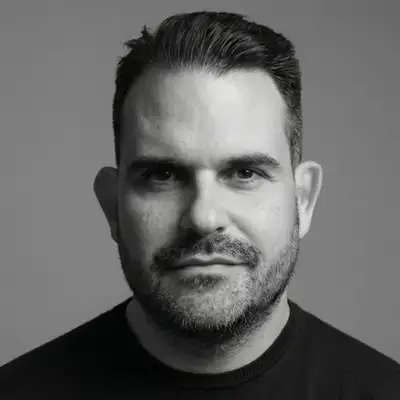
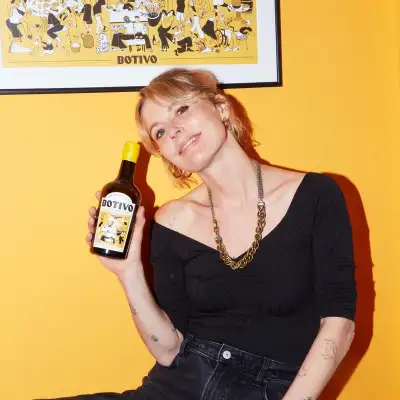
In this episode, host Chris Maffeo is joined by Imme Ermgassen from Botivo, who shares insights into building a craft non-alcoholic aperitivo brand that challenges category conventions. Through strategic positioning as a pleasure brand rather than a moderation brand, Botivo has created a unique space in the non-alcoholic category by focusing on craft credentials, hedonistic brand values, and owning specific drinking occasions. The conversation reveals how careful brand building and trade strategy can help create new category opportunities.Timestamps: 00:00 Introduction and Welcome00:29 Guest Introduction and Initial Impressions01:22 Deep Dive into Botivo02:16 Brand Philosophy and Market Positioning05:37 Challenges and Strategies in the Non-Alcoholic Market11:35 Consumer Insights and Brand Building19:31 Trade Relationships and Distribution38:04 Concluding Thoughts and Future Plans
In this episode, host Chris Maffeo is joined by Imme Ermgassen from Botivo, who shares insights into building a craft non-alcoholic aperitivo brand that challenges category conventions.
Through strategic positioning as a pleasure brand rather than a moderation brand, Botivo has created a unique space in the non-alcoholic category by focusing on craft credentials, hedonistic brand values, and owning specific drinking occasions.
The conversation reveals how careful brand building and trade strategy can help create new category opportunities.
Timestamps:
00:00 Introduction and Welcome
00:29 Guest Introduction and Initial Impressions
01:22 Deep Dive into Botivo
02:16 Brand Philosophy and Market Positioning
05:37 Challenges and Strategies in the Non-Alcoholic Market
11:35 Consumer Insights and Brand Building
19:31 Trade Relationships and Distribution
38:04 Concluding Thoughts and Future Plans
The MAFFEO DRINKS Podcast is a leading drinks business podcast delivering actionable insights for drinks leadership.
For founders, directors, distributor MDs, and hospitality leaders navigating the tension between bottom-up reality and top-down expectations.
20+ years building brands across 30+ markets. Each episode features drinks builders: founders, distributors, commercial directors, sharing how the drinks industry actually works. Not the conference version. Honest conversations.
Insights come from sitting at the bar.
Beyond episodes: advisory for leadership teams, subscription with episode deep dives and principles to navigate your own reality.
Beer, wine, spirits, Low and non-alcoholic.
Bottom-up Insights & Episode Deep Dives at https://maffeodrinks.com
Hey, drinks builder. This is Chris Maffeo, and you're listening to the Maffeo Drinks podcast. Today, we are reaching listeners in over 100 countries, and I'm grateful you're one of them. Before we dive in, a quick reminder that while the show is free, our paid Substack subscribers get early access to episodes, full transcripts, and exclusive deep dive newsletters. Check it out at mafayordrinks.substack.com.
Chris Maffeo:Now let's get into today's conversation. Hi, Meh. Welcome to the Mafia Drinks podcast.
Imme Ermgassen:Hi, thanks for having me.
Chris Maffeo:It's a real honor. I follow you on Instagram and all the social media. And of course we also met on the Kindreds group and, and the thing that I like is really like the clarity. When I attended one of the webinars that you did, some time ago, I was really impressed by the sharpness of how you brought to life the whole thing about the positioning, but making it very tangible and very applicable to the trade, which is basically my old philosophy about building brands bottom up. So let's dive in and I want to steal some of your knowledge and share it with the listeners of the MorphoSolarJinx podcast And everybody can benefit from it if you're happy with it.
Imme Ermgassen:Yeah. I'd love to.
Chris Maffeo:Great. Fantastic. So let's talk a little bit about BoTable and, you know, like just in a nutshell, what it is about, like, just for for people that are not familiar with the with the brand and the category. And and then we dive in, and I'll ask you some some questions more more in details.
Imme Ermgassen:Great. So Bottivo is a big sipping botanical aperitivo. Non It's alcoholic. We, it's actually made in Lanark Farm in Hertfordshire and it takes almost a year to make. So it's a super craft product.
Imme Ermgassen:And Sam, my co founder and maker makes it. It's got an aged apple cider vinegar base infused with rosemary, thyme, gentian, wormwood, orange, and And so you mix it with soda water and salsa signature serve and a slice of orange and it is bloody delicious. So that's kind of what it is as a product. I think from a brand point of view, the kind of three things I always talk about, which make it really different are, first of all, Bitivo is not a moderation brand, it's a pleasure brand. And that's been sort of really, really clear from day one.
Imme Ermgassen:We we never talk about dry jam. We never talk about Stocktober. We very much talk to the world of pleasure, which I can sort of talk about later as to why. And the second thing is that, you know, we're trying to bring craft into a category that we don't think has enough of it. I think when you look at other drinks brands that consumers or trade really care about, it's the stories around them, around the maker or the provenance or the ingredients or the process that makes both trade and consumers really emotionally engaged with those categories or those brands.
Imme Ermgassen:And I think because the non alcoholic drinks world is so new and so many of the drinks are are made in fragrance houses or in factories, etcetera, there are very few stories that people can really attach themselves to. And I think what that means is that the category feels quite cold. You know, I think people don't feel the same way about non alcoholic brands the way they do about a whiskey or a gin or a wine. And so what we're trying to do with TiVo is just, you know, bring that craft back into it. You know, it's all handmade, no flavorings, you know, no essences, a real long process.
Imme Ermgassen:And that's all about creating the best flavors, right? It's not just for the sake of it, it's because that's what creates the best flavors. And the third thing I think which makes it different is yes, it's primarily an alcoholic product, but it's a very powerful liquid because of the process. Actually we use it or our customers or consumers and trade use it in alcohol as well. So, you know, one in four of our customers at home will drink it with alcohol and they'll use it to kind of add botanical layers to drinks, whether it's a Negroni or popping into a tequila and soda.
Imme Ermgassen:And so it's quite a different positioning in that sense as well, because while we are primarily a non alcoholic drink at first, once people start going deeper into the brand and building that relationship, they start using it within the alcoholic space as well. So it's quite unique in that sense. And, you know, the flavor profile isn't a mimic. It's a totally new flavor and and that almost takes people a few seconds to get their head around when they try it because they wanna put it in a box, but they can't.
Chris Maffeo:Nice. I was also very intrigued by the brand because, you know, like, automatically you start to try to put it into boxes now. And, you want to say, okay, but it's not alcoholic, you know, but it's a bitter now, but you know, what is it now? And this confirms what I usually talk about, about building a category, you know, before building a brand, you know, because like also we tend to always think about categories as the, the good old categories, you know, rum, vodka, gin and so on. And, and especially when you go out of this high alcohol or high proof categories, then it gets into the others, like the liquor, aperitif and all these groups that are beautiful and they are in a way like the make it or break it off cocktail culture, but then they get relegated to a, I don't know what it is.
Chris Maffeo:Like, let's put it on the others, kind of thing. And how do we bring it to, to the, to be the protagonist of, of the story?
Imme Ermgassen:Yeah. I think like the kind of the world of an alcoholic drink still feels quite murky and sort of no one really knows or understands the category. There's so many subgroups. And there's so many people trying to fit it into boxes that already exist when actually there's a whole stream of new products that don't fit in those boxes. And I think one of the things that we did when we first started was we actually called Bottivo slow sipping botanicals.
Imme Ermgassen:And you'll notice that that's changed to big sipping botanical aperitivo. And the reason why we actually launched with the rebrand year and a half ago with slow sipping botanicals initially was exactly that challenge, which was we didn't want to put it into a box straight away because it was a very new flavor experience and product. So we purposefully left a bit ambiguous and we're like, so they're sort botanicals. Like that's like a new thing and people didn't quite know where to put it and we wanted to kind of enter the market that way. But then what happened over time as your brand matures is that you suddenly realize consumers actually need to know a clear occasion for when it's drunk.
Imme Ermgassen:And yeah, it was great as like an initial we're different, but then it got to the point where you realize, you know, having a clear occasion is more important than proving that you're different.
Chris Maffeo:And this is very interesting.
Imme Ermgassen:And so so when we checked so we we changed it to Big Sipping botanical aperitivo for, I guess, a couple of reasons. One was to give people that occasion, consumers, to give trade that occasions. They knew this is an aperitivo product and the product was different enough, you know, to hold, to stand on its own and not, you know, necessarily just be an aperitif. But the second thing was that, you know, we also developed our brand voice a lot more and our brand personality and our brand's very playful. It's super craft, but it's also super playful and sort of bold.
Imme Ermgassen:And suddenly slow sipping didn't feel appropriate for the direction that we had moved in. And actually the idea of more and big sipping felt much more in line with our brand. And I guess then take it a step further to think about that occasion. You know, it's always been on my mind from the beginning that one of the biggest challenges with non alcoholic products in particular is that no one knows when to drink it or when it's for. You know, it's not just an alcohol moment that becomes alcoholic.
Imme Ermgassen:You need to own a moment. And so then we developed this idea of the yellow hour, which you might have seen, which is our kind of brand ownable consumption moment. And the yellow hour is very much about us trying to own that aperitivo moment. It's a play on the golden hour, which for me is one of those moments that everybody has an emotional reaction to. Right?
Imme Ermgassen:Everyone knows, you know, when you talk about the golden hour, you know, you're imagining the lighting, you're imagining being with your friends, you're imagining transitioning to that new part of the day, you know, when things are a bit more exciting and a bit more, you know, on your own terms. And so we wanted to really own that moment, but with a language that us as a brand was relevant to. And obviously yellow has been at the core and forefront, basically, of our brand from from day one.
Chris Maffeo:That's nice. And and it's it's very visible, I would say.
Chris Maffeo:I mean,
Chris Maffeo:like, and and I honestly I I that color. I know as as you saw, I show you I show you I show you my new jacket that is exactly that color.
Imme Ermgassen:Yeah. You know, you know what I wish someone had told me though is that it's a complete nightmare from a printing, like brand consistency point of view. And, you know, every single time we print the yellow on a different material or in a different context, it shows up completely different colors. Getting really deep. And, you know, if I'd known that before, we probably would have given it
Chris Maffeo:That's a bit more a little bit like when a brand meets the trade, you know, and then it's like when a when a positioning on a on InDesign meets the printer. The moment of truth. And and you but nevertheless, I mean, it's it's a beautiful color and it's very, you know, it's standing out definitely. Whenever I see that, when I was wearing my jacket and I was shooting before, I was thinking about you. I was like, this is exactly a boutique.
Chris Maffeo:I mean, it's exactly that color.
Imme Ermgassen:Yeah. I mean, for me, like stickability is the most important thing about our brand. Know? And I think owning a color is a really, really important And part of particularly on a bar, right, on a back bar, you know, I think we get photos, you know, so many photos sent to us every day of people seeing on a back bar and taking a photo because it pops and it's that yellow wax top. And that has always been a massive priority from day one.
Imme Ermgassen:Like what makes people remember stuff? And it's either it's sensory, right? It's like a smell or it's color.
Chris Maffeo:And I mean, be honest, like what I like about this, let's say my understanding of the yellow hour is that it's also like it takes on the golden hour, but then because it's, you know, you're making it yellow, like it basically, like it it's not really part of the day. There's no there's no certain time of the day where you can actually bring it to life now. And being, you know, non alcoholic, then basically, you can even move it a little bit, you know, earlier in the in the day. And then people can switch on into this yellow hour where basically, like, people can say, okay, like, it's the time. And it's not you don't have to wait for sunset or golden colors to to make it happen.
Imme Ermgassen:Exactly. I think it's it's about communicating like the vibe without a time attached to it. Right? And I think what's interesting about the TiVo for me is that, you know, we don't even see it as an alcohol alternative internally as a business. And the reason for that is, you know, I got involved with Bativo because I just tried the liquid and it's old brand before we redid it and just got obsessed with it.
Imme Ermgassen:Like I just, I was just drinking it literally all the time, like lunch, dinner, you name it. And, you know, I've I've never engaged with an non alcoholic category before. It was my it was my entry point into the category. And I think the more we talk to our consumers, the more we realize that most of them have actually entered the category directly to Bottivo because there aren't people that are drinking Bottivo when they wanna drink. They're just drinking Bottivo across different times because they just think it's delicious.
Imme Ermgassen:So it's quite a different mindset from, oh, I wanna drink a glass of wine. Oh, I can't have it. I'm gonna have a placebo. Actually, people are just choosing to drink it because it's, you know, a delicious part of their repertoire of drinks, you know, whatever the ingredients.
Chris Maffeo:No. And to be honest, it reminds me of my old days in in Carlsberg when I was in Copenhagen. I remember that it was the day of the Christmas party of the company, and and somebody made me try a non alcoholic beer, but it was like the Brooklyn special effects. I don't know if you ever tried this. And it's a it's a hot pilag.
Chris Maffeo:Right. And basically, they just gave it to me, and I didn't they didn't even tell me it was alcohol free. And then I started drinking it, and I ended up spending all the Christmas party drinking that. You know, there were and it became my favorite year. Then everybody was like, why are you not drinking?
Chris Maffeo:I am drinking. You know, like, it's just like and it was such a rewarding experience in that that night that I ended up having it all night, you know, without even noticing. So sometimes it's also demystifying this old concept about alcohol free that, you know, for any reason, like people may want to reduce their alcohol consumption and so on. But how did you get to the aperitif occasion? Was it like, you know, what you found more interesting or what you have always thought?
Chris Maffeo:Or was there like, let's say, some confirmation from consumers that that's how they were actually drinking it out of all the other occasion where they were drinking it?
Imme Ermgassen:I think so so Sam, my cofounder who makes it, very much created the product because he loves their parody effectively. You know, like TiVo came about in quite an unusual way because Sam has another business called RamRammer and they basically, they create the drinks from scratch for like really hedonistic parties. So they did like the royal wedding, did like Helen Harris's wedding, you know, Kate Moss, you name it. But you know, it was all born basically in this world. And I think, you know, Sam wanted to, you know, was asked to create something from scratch, which was unalcoholic, but it was like really big on flavor or natural, no preservatives, no flavorings, etcetera for these events.
Imme Ermgassen:And he was the one that came up with sort of the, you know, the was was what he really loved within the category. And so, you know, when he was playing around, it was very much like his style of drink that that that and then it was then that occasion very much came from the liquid. I'm a big believer that the liquid and the brand have to go hand in hand, you know, like, you know, you can't develop one without the other. And the brand that we've created very much was inspired by the liquid and the liquid was inspired by Sam who loved Pericles.
Chris Maffeo:That's beautiful. And let's talk about that for a second, because you mentioned this, as a concept or as a, let's say, type of consumer. And I'm, you know, everybody in, listening to the podcast knows my, my hate for target consumers a term as such, not for consumers themselves, but did you have that kind of consumer in mind in that moment? Tell me more about like the, let's say the target consumer and target location, which is the thing that I usually talk about. And I'd like to hear what you, what you think about that and in your firsthand experience with the brand.
Imme Ermgassen:Yeah, totally. I mean, I think for me, you know, when you build a brand, you have to think about, about different things. You have to think about, you know, what's happening in culture. You have to think about what's happening in the category and how you can rub up against it. You have to think about who your consumer is and how they fit into that wider landscape and also your brand or your liquid and what you can authentically claim with the type of liquid that you created.
Imme Ermgassen:And I think for us from the beginning, was very clear, just I guess starting with the liquid, that the liquids are very kind of hedonistic liquid. Like it's very rich, it's very powerful. It's not about kind of compromise or it's not watered down. It's very much like it snaps you around the face. And when we think about the brand and how it came from that from day one, as I mentioned, you know, we're not a moderation brand, we're a pleasure brand, right?
Imme Ermgassen:And a pleasure brand means that you're adding these people experiences, you're decadent, you're opulent, you're full of like more stuff. And for us, the consumer very much came out of that because I think when most narcotic drinks, you know, when they're rooted in moderation, the tendency is to go for consumers that do moderate. So it could be people that are really into health and well-being or people who are super curious or people who are just moderating their behaviors because that's where they're at. And I think where we're slightly different is our consumer is the opposite. Our consumer are pleasure seekers because the liquid's really pleasurable.
Imme Ermgassen:You know, the world where it was born was really hedonistic and that's the brand that we wanted to create. So when we think about our consumer, I totally agree with you. Like we don't do like segmentation of so and so is 30, 35 and loves cooking and blah blah or she's 40 and has two kids and lives in the suburbs. Know, that stuff for me is is really dated and it also assumes that people of different age groups are really different from each other. What I believe is that there's a universal mindset in really great brands that holds people together.
Imme Ermgassen:And in our situation, was about pleasure seekers, right? So our consumer is a pleasure seeking consumer. They love the way food and drinks are made. They're foodies. They love stories of provenance.
Imme Ermgassen:They love craft products. They love discerning taste profiles. They're curious about traveling in the world because they're hedonistic in terms of not drinking and drugs, I'm talking about like hedonistic about life. Like they wanna live life to the full. And that's the mindset that the brand talks to, which connects with people.
Imme Ermgassen:And that for me is not about an age or a life stage. It's it's about, you know, how you feel and the emotions that you connect with about that brand.
Chris Maffeo:No. I mean, I I really I really love to hear this. And, well, because you're confirming what I'm saying. No. Not not not No, because of but really because it's very interesting.
Chris Maffeo:I mean, I'm having a lot of debates about this, like with, you know, with other guests or with, you know, like in general with people. And it's very difficult to explain it somehow sometimes, because it's like, yeah, but there's still consumers as I get it. There's still consumer, but it's like they're looking for a certain type of thing rather than they are a certain box, you And you can put them in a box and you could have a certain type of manifestation of that, let's say, Adamism. Maybe it could be in a castle, in a manor house in the British countryside, or it could be you know, in a village around the bonfire. But it's still hedonism.
Chris Maffeo:It's just that, you know, like you approach two different type of people and why do you communicate only for a certain group while actually the whole thing is about, I mean, in your case, at the knee zone, rather than anything else, you know, to build on this? Like, how do you bring this to life? Because I mean, you know, I follow your Instagram and on LinkedIn and so on. Always get these yellow pictures and then I say, oh yeah, you've seen it coming. But how does that comes to life in terms of bringing that position into social media, creating demand, but also to the trade then into into understanding where to to sell.
Chris Maffeo:So I think I guess they're they're two different two different questions.
Imme Ermgassen:Yeah. I think, like, again, that it kinda goes back to sort of the brand world and then the product itself. I think, you know, with trade, the the liquid is super rich and like thick and flavorful. You don't need much of it. You know, there's 20 drinks in the bottle.
Imme Ermgassen:You just put a little bit in and that and that that vibe of the brand and that sort of hedonism comes with a liquid. From the brand world that we created, you know, we, if you've been on the Instagram, it's obviously the yellow, which is very vibrant and, you know, has that, that part of things. But we worked really closely to build 24 characters, which are really, really central to this world. They're they're written or they're they're drawn by this amazing artist who's Bulgarian, who lives in Barcelona actually, called Rosalina Bekova. And I've always loved her art because she creates these amazing banquet scenes and they're always loads different types of characters and they've just got huge personality to them.
Imme Ermgassen:And whenever you see the banquet, you always think, oh god, wish I was at that party. But it's got a very hedonistic vibe to it, but also very artisanal because it's all hand drawn, which is what our brand's all about. It's super craft, but also super hedonistic. And so we worked, I worked really closely with Roz to bring this world to life. And part of that was about also ensuring that it felt really decadent and really abundant.
Imme Ermgassen:And that's not just about the vibe, it's also about the characters. Talk about it a lot because it's 2024, we're London based brand and I just think it's really important to bring all different types of characters to life. So we've got different sexes, different genders, different races, different sizes, different ages, all in that brand world. Everyone's together having an amazing time. And there's this, every time you look at the, at that, all those illustrations, you know, to something new because it's, you're kind of discovering something which is like a beautiful surprise.
Imme Ermgassen:So for me, there's sort of that brand world is what gives people the vibe and what connects with people and gives it that sort of pleasure seeking, hedonistic, survive. But the liquid reflects that because it is so powerful and unexpectedly so.
Chris Maffeo:Wow. So basically, that sense, everybody kind of feels welcome because they can see a sort of a representation of themselves in there's high chances that you are one of those twenty twenty four people in a in a way.
Imme Ermgassen:Exactly. The idea I did in brief was, like, everyone needs to see themselves or or one of their friends, you know, in it. And that's exactly it. Like welcomingness is one of our brand values. You know, I think often brands feel quite exclusive in the category or feel quite stripped back.
Imme Ermgassen:Actually the idea is that we call it everybody gets a glass kind of internally. So it's this sort of world of, you know, everyone gets a glass of the TV, you know, it's obviously a premium product, the idea is everyone should be able to look at it and feel like their license.
Chris Maffeo:And I I remember there was a LinkedIn post that you posted some time ago about consumers now that you were surprised, like, people had in mind of what the boto type of person was in terms of drinking and then what he actually was. And the beauty of having an e commerce is that you can actually see exactly who's buying it and who's drinking. So was that confirming your idea that actually is all sort of people rather than a specific target consumer.
Imme Ermgassen:Exactly. I think when people see our brand and it feels very useful, you know, it's quite a youthful spirit. I think people assume, you know, our main consumer is 28 to 14 or 30 to 14, you know, sort of quite young. And actually I think at least who's buying our bottles are 73%, 45 plus. If you look at the ones that are buying and drinking in the home, when we talk to our stockists, people, much younger people are drinking in bars and in restaurants.
Imme Ermgassen:But what that tells me is that idea that we're talking about around, you know, communicating a mindset is resonating because it's got the whole spectrum of people. Yes, young people probably drinking in the home because the price point's prohibitive and that's a format challenge which we need to, you know, which we're thinking about for our next innovations. But the point is that, you know, even if you behave with that youthful spirit, people who are 65 are resonating with it as well. And it cuts across all those different kinds of people. So I think that that just kind of reiterated to me that people are resonating with the brand of all ages and older ones that people don't expect.
Chris Maffeo:That's very interesting because, I mean, what you are bringing to the story now, it's also like this kind of like segmentation on, on channels, not on, let's say occasions that maybe, you know, some people can get it more like on a home consumption occasion. And probably they're a little bit older in that sense because maybe they're having like, I I don't know, like a proper dinner rather than like a 20 year old having mates at home. While maybe people our age, like they would do like a proper dinner and then they want to have something special for that kind of occasion. While when people go out, maybe it's more general, but then what stockists and people are telling you is that it's actually a little bit younger. So, it's very interesting, this thing that there's a concept that I'm bringing up lately that I call it the bottom up trade and the top down trade rather than on and off in terms of brand building on a channel.
Chris Maffeo:Then we're basically like bottle shops and even Waitrose, which is like a supermarket chain, but it has some cues from a, from a catalyst and from a bottle shop rather than like a proper supermarket chain. And that's where you actually build the brand and you communicate the brand and that consumption occasion. It's interesting to see the bars and the bottle shops in this case having as much of a role in building a brand and building a category.
Imme Ermgassen:Bootivo is quite, it's quite a hand sell initially. Because I think when you're trying to do something really different in the category and you're, and you, and you, and you can't easily put a product in a, in a box that building the brand with the bottle shops, building it with the bartenders, building it with the trade is so, so important because they're the ones are serving it perfectly. They're the ones that are telling the story to the customer about it. And we've always had a massive push pull strategy from the beginning where we know that people are discovering our products in like prestige restaurants or our product in prestige restaurants, and then they're going online and buying it. And I kind of bang on about this a lot, but I think one of the things that I did on purpose at the beginning was put our signature serve as potibo and soda, not potibo spritz, which we actually changed it from, but potibo and soda.
Imme Ermgassen:And the reason was is that I knew people were discovering in restaurants and then they were going, god, that's delicious. But if it was a spritz, they had no idea what was in it. And so they didn't know what Bottivo was or what the other stuff was. But if it was Bottivo and soda, then they go, oh my gosh, is this just Bottivo and like sparkling water? I can recreate this at home.
Imme Ermgassen:And they go and they'd buy it on their phones in the restaurant and you see that a lot in our reviews and then they recreate the experience
Chris Maffeo:So at
Imme Ermgassen:I think like allowing that ability to discover something in the trade, but then replicate that in the home is a really important part of our strategy. I think often with non alcoholic drinks, there's so many ingredients in the drinks that people are drinking or the cocktails or mocktails, whatever you wanna call them in trade that yes, it might be delicious in a restaurant, but no one knows what to do with that at home.
Chris Maffeo:And especially in these, let's say high end cocktail bars, there is always this, this issue because there's a lot of pre batching and all this kind of like very sophisticated, like to ferment sui and rote malt and all these kinds of things. And that's the success of many brands. It's how easy it is to replicate it at home and give a super simple idea to someone when they're having people over. And especially when people don't want to, don't want to drink alcohol.
Imme Ermgassen:It's like simplicity of the serve saying again and again and again is is absolutely is key. You know, consumers are all about simplicity. So yeah, that's sort of Bottiva and soda, Cuban soda. I think also, one of the reasons why Bottiva and soda is so important to us is because someone said really early on to me when I said that the signature serve was soda, they said, Oh, you must be really proud of your liquid. You're not you're not hiding behind tonic.
Imme Ermgassen:And I thought, god, that's really that's a really smart way of putting it. They were like, boldest brands are the most confident about the taste of their liquids. Just just match it with bottled water They or don't need the other stuff. And and that for me always really stuck with me, and I wanted to sort of bring that into our stretch of heels.
Chris Maffeo:How how, let's say, difficult was the the sell in to this kind of venues when when you try to put the foot in the door and, you know, and and and sell the first bottle.
Imme Ermgassen:So, like, so before I came on, we're doing a couple 100 bottles a month as a side kind of project that Sam was doing, but the liquid was so good in itself. Even when he had just had a website, you know, selling it like the River Cafe had picked up because it was so delicious. So that was the first thing. I had a massive advantage of the liquid. It's just so unique and delicious that the most iconic restaurant in The UK had taken it on.
Imme Ermgassen:So when I joined and we did the rebrand, that was already one bit of credibility that we had to go out to the restaurants with. I think the key thing with with non alcoholic drinks is that normally in drinks, the first stage is awareness. So it's going out and telling people about your brand and product and getting people, you know, tasting it. But in non alcoholic drinks, to your point around convincing people, the challenge is actually way before that, which is how do you even get people not just shutting the, yeah, the door in your face because there's a whole credibility issue around the category. And, you know, people have been so burnt in the past by products when they were more in their infancy.
Imme Ermgassen:And so convincing trade in particular, but also consumers to try something that is new and delicious and different is very, it was a massive, massive challenge. You know, it's very difficult to get people to say yes. So our approach was to really focus on that credibility phase before awareness. And it was all about going out to the tastemakers. So going out to the people who would never lie about something being delicious.
Imme Ermgassen:So not influencers are flogging loads of products and you're paying stuff online for them to say nice things and it says hashtag ad. But going out to the Alice Lachelles who, you know, she never lies about what she thinks and she's such a tastemaker in the category. Grace Dent mentioned that she really loved it. And the Berry Brothers buyer, Rob Whitehead, you know, said it completely transformed his opinion of the paratiques and non alcoholic paratiques. Kevin Armstrong, the Satan's Whisker Zoner, like Lars Bertievo.
Imme Ermgassen:And so once we had these proof points of these people who everyone knew would only say it was delicious if it was delicious, then we took those proof points out more and more, knocked, you used it for trade and for tastings, but also for consumers on social ads, etcetera, as a proof point that yes, this is actually delicious. And if you have been burned in the past, give this a go. So once you've got the River Cafe, then you can go to the next prestige restaurant and say, oh, the River Cafe stopped us. And then you can go to the third one and say the River Cafe plus Maison Francois stopped me. And then you can say the next one, the Maison Francois River Cafe plus the next one stopped me.
Imme Ermgassen:The more, you know, the more prestige places you go to and the more you get them under your belt, the more you can use it to sell it into other prestige places because no one wants to take the risk first. Right? Like, restaurants want to want the evidence to be there, but it's it's great tasting and that is gonna sell before they take on the risk themselves. And, you know, using those prestige restaurants as proof points is really important.
Chris Maffeo:Absolutely. So you're saying that you're building a bottom up?
Imme Ermgassen:Some might say, Rich, you price building bottom up.
Chris Maffeo:Just kidding. I think that it's actually like any brand need to create that demand that comes, let's say, let's call it like together with awareness or before awareness. I'm also a little bit allergic to the word awareness in as such figures. In the end, if you don't convert it into an actual demand from someone that wants to buy it and wants to stock it and wants to sell it, then it becomes like, okay, it's a nice reach on an Instagram page.
Imme Ermgassen:And I think just the next stage is in some ways the most important. So obviously getting into places is really difficult, but then staying in places is even more difficult. And so, you know, then it's about how do we make sure that our rate of sale is high? How do we make sure it feels visible on the menu? How do we make sure that it sounds tasty?
Imme Ermgassen:But also get our brand name in because we want people to know that it's it's our brand. And that's sort of where the hard work really begins is building those relationships with those restaurants and ensuring that, you know, they're selling in in the right way and talking about it the right way to their customers.
Chris Maffeo:I was actually gonna say when you mentioning getting from the first to the second to the third is like, how do you ensure that you don't lose the first one when you got the third one? You know, like that you maintain that, that net increase of distribution through rotation, which because this is like one of the things that I'm advocating the most, like on, on ensuring that. And what I like listening to you, what I, I like about Boutimbo is that also you can do, it's easy to make it a category ingredient brand name. You know, it makes me think of Campari, for example, that whenever you see like menus and brands on the menus, like there's some, some outlets that don't want to mention any brand name, but they can't find a name for Campari. They, they put it.
Chris Maffeo:So they put whatever craft vodka, Campari and whatever. They don't want to mention the vodka name, but then they cannot find an alternative for Campari and they don't want to say bitter as such, and then they just put Campari in it. And then all of a sudden, I had this discussion sometimes when I'm selling brands and I go to the bars, go, you have brand names. No, I don't have brand names. And look at this, you've got Campari there.
Chris Maffeo:No, but that's not a brand name. It's very funny when you actually manage to create something that it is a brand name, but actually represents the category on its own. And you can actually own that category for real.
Imme Ermgassen:I mean, I think to add to that, what we've also realized is that when it's a Prestige accounts, when it's like the mountains, the Bratz, the St John's, etcetera, having Retivo in soda, you know, really well. We know that's our consumer, the leading edge early adopters. But actually then when you go into, and it's quite interesting for when you're building brands, that when you go to those bigger, more mainstream groups where maybe the people who eat there aren't quite early adopters or sort of leading edge types, actually when you lead with the brand name and not with a flavor, the rate of shell is not as high. So it is quite interesting that you have to almost think about the way that your drink is presented on different menus in order to talk to the consumer of that particular type of place. So someone who drinks in the mountain loves Bottega and soda, but someone who goes to Oaxaca, for example, will want a grapefruit Paloma cooler, you know, like, and the brand name becomes slightly less important in that environment.
Chris Maffeo:That's a great point that you raised. And actually that you have to blend in with what that kind of customer as a trade customer wants. And to that extent, it doesn't really matter because then who's interested. Then they may ask you, okay, what, what is it? And then it's how it's Motivo, but then you don't put it.
Chris Maffeo:And there's a lot of, and this is like for a longer discussion because it's a, it's a very interesting topic on the role of brand and, you know, like, that how to explain, how to make a cocktail menu that actually drives sales because people actually understand what it is.
Imme Ermgassen:Exactly. I I feel like in prestige accounts, having a brand name is so important, but in volume account, there's more mainstream volume accounts. It isn't necessarily obviously, the ideal is there as well, but actually what consumers want is to get a real sense of the flavor and what experience they're gonna get. And the more sensory it is, the better it sells.
Chris Maffeo:I was discussing this with, with Brett Crompton from Session Spirits, and we we were talking about, like, importance, for example, even, like, on stating ABV next to a cocktail now, because you may I can imagine now I can envision like a Negroni made with Bottivo. Then all of a sudden, like the ABV drops dramatically. And then all of a sudden you are con you're competing with other categories that you may automatically think are lighter, but actually you could get in people that want to have a lower ABV type of cocktail, and then they can have two or three that evening rather than having, I don't know, three glasses of wine that would actually end up being even higher. So it's very interesting how you can play on many different things. And especially, I mean, on the example of both even soda, of course it's like 0%, which is even more welcoming for everybody, like entering that restaurant or that kind of occasion.
Chris Maffeo:But then you can build on many different layers and bartenders and trade can use it in so many different ways. But I like what you were saying at the beginning, going back to the beginning about this single mindedly talking about aperitivo. I always explain to people, it's not that you don't use it anywhere else. It's just that you want to own a moment in consumer's mind and customer's mind so that they know when to take that bottle off the shelf. It doesn't mean that you cannot use it
Imme Ermgassen:Exactly.
Chris Maffeo:However you like.
Imme Ermgassen:And and when, you know, when they're really bought into a brand and, you know, they're drinking all the time, then you can say to them, oh, here are these different ways you can use it. But that comes later. You don't wanna confuse them until it's crystal clear, what your primary moment and occasion is, and then you can bring it in later and say, by the way, here's some other cool ways you can use
Chris Maffeo:it. Absolutely. So I'm aware of your time and I think it's a good way to wrap this up. We'll definitely speak more in the future. I think I will, I will, I would like to have you on again, like to dive more deeply into Yes.
Chris Maffeo:Into the converting demand and to the sustaining demand kind of spectrum, all the building bottom up. But, let us know how can people reach out to you, find you, find Bocego, and, and reach out.
Imme Ermgassen:Yeah. Well, we are so we are well, it's January. So we're launching Waitrose, also Majestic, also Whole Foods, we're already in, and our website, which obviously is my preferred place for everyone to buy. Then we get to talk to you directly. Is betivodrinks.com.
Chris Maffeo:Fantastic. So, Imeh, thank you very much for for your time and for your knowledge and and sharing with, you know, fellow drinks builders like like you and I. And see you soon.
Imme Ermgassen:Thank you for having me.
Chris Maffeo:That's a wrap on today's episode. If these insights helps you, take a moment to leave us a quick review. You really have southern drinks builders find the show. And speaking of sharing, pass these insights along to another drinks builder who needs to hear this. Wanna get next week's episode right now?
Chris Maffeo:Head over to mafare drinks dot substack dot com where paid subscribers get episodes a week early plus full transcript and deep dive analysis. Until next time, remember that brands are built bottom up.