Subscribe
Share
Share
Embed
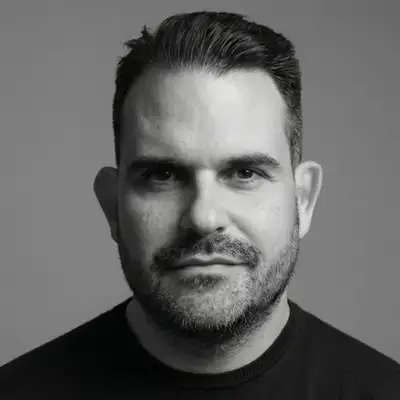
In Episode 050 I had the pleasure of chatting with Ilias Mastrogiannis. He is the Founder of Distillery Nation Podcast and Mastrogiannis Winery and Distillery, based in Washington State, inspired by Greek tradition. I hope you will enjoy our chat.
Time Stamps
0:00 Intro
0:51 Ilias' Podcast
3:59 Building Demand
5:30 Starting Product
6:46 Traditional Vs Modern Occasions
10:38 Ring Road of Messaging
16:23 Event Driven Messaging
20:26 Event Specialized Products
24:25 Dusty Vs Vibrant Categories
28:22 Primacy of Cocktail List?
30:52 Outro
About The Host: Chris Maffeo
About The Guest: Ilias Mastrogiannis
In Episode 050 I had the pleasure of chatting with Ilias Mastrogiannis. He is the Founder of Distillery Nation Podcast and Mastrogiannis Winery and Distillery, based in Washington State, inspired by Greek tradition. I hope you will enjoy our chat.
Time Stamps
0:00 Intro
0:51 Ilias' Podcast
3:59 Building Demand
5:30 Starting Product
6:46 Traditional Vs Modern Occasions
10:38 Ring Road of Messaging
16:23 Event Driven Messaging
20:26 Event Specialized Products
24:25 Dusty Vs Vibrant Categories
28:22 Primacy of Cocktail List?
30:52 Outro
About The Host: Chris Maffeo
About The Guest: Ilias Mastrogiannis
The MAFFEO DRINKS Podcast is a leading drinks business podcast delivering actionable insights for drinks leadership.
For founders, directors, distributor MDs, and hospitality leaders navigating the tension between bottom-up reality and top-down expectations.
20+ years building brands across 30+ markets. Each episode features drinks builders: founders, distributors, commercial directors, sharing how the drinks industry actually works. Not the conference version. Honest conversations.
Insights come from sitting at the bar.
Beyond episodes: advisory for leadership teams, subscription with episode deep dives and principles to navigate your own reality.
Beer, wine, spirits, Low and non-alcoholic.
Bottom-up Insights & Episode Deep Dives at https://maffeodrinks.com
Welcome to the Maffeiro Drinks Podcast. I'm your host, Chris Maffeiro. In episode 50, I had the pleasure of chatting with Ilias Mastroiannis. He's the founder of Distillery Nation Podcast and Mastroiannis Winery and Distillery based in Washington state inspired by Greek tradition. I hope you will enjoy our chat.
Chris Maffeo:Ciao Ilias. How are doing?
Ilias Mastrogiannis:Hey, Chris. Thank you for having me. Great.
Chris Maffeo:Fantastic. So I decided to use the Greek spelling of your name. Last time we were using the the Anglo Saxon American Elias, but I I preferred doing the, you know, the routes back to Europe.
Ilias Mastrogiannis:Absolutely. No no worries at all. And, yeah, appreciate the invite. I'm super happy to be here and been listening to your podcast for almost six months since really it kinda came online, so I'm very happy to be here.
Chris Maffeo:Fantastic. Fantastic. And I mean, have to thank you first because you were one of the first one, if not probably the first one actually, who invited me to his podcast because you have Distillery Nation podcast. You are the founder and host of it. And I repurposed one of the first episodes.
Chris Maffeo:It was the episode with you. And then now when I was doing some inventory of my episodes and then I saw you and I said, oh, it's time to to invite Ilias now on on the Maffeiro Drinks podcast.
Ilias Mastrogiannis:I got you hooked up. So podcasting is is a great way. So I'm I'm glad that you were able to to start your own as well.
Chris Maffeo:Exactly. And then it and it's one of the those episodes with the biggest time difference because it's a nine hours difference. So it's it's the last episode you know, it's the last recording of the year, 2,023 for me. So it's an honor to have it with you that, you know, you were the first one to bring me into this world of podcasting. So let's let's start with a few questions.
Chris Maffeo:So, I mean, you are a host of a podcast, but you are ultimately the founder of the Mastrojanis winery and distillery.
Ilias Mastrogiannis:We started the business almost nine years ago. The actual podcast started first. It, it started as a, as a way of me trying to understand the business, because I had no clue what I was doing. It was really an idea of starting this brandy distillery at the time in Washington state. We're in Washington state.
Ilias Mastrogiannis:The podcast came first actually, and it was a way of me going around to other distilleries that were established in the area and asking questions. And I'm like, oh, I can actually record this and start sharing it. And that's how the podcast started first, probably six months before we became licensed. And then the business came after, right after that. So when people ask me, it's like, it's, is it the chicken or the egg or the podcast or the, the business?
Ilias Mastrogiannis:It's always the podcast that came first. So kinda as a way of me asking questions and going around and trying to understand what the heck am I doing starting this.
Chris Maffeo:I love it. Love it. I mean, this is basic, I mean, basically the podcast was the incubator of the distillery. And it's, it's very similar with me because what I do with the podcast is that it, it gives me the opportunity to challenge my own thinking. I guess it's the same for you with, with distilling and really challenging my own ideas, no?
Chris Maffeo:Because then I I realized that okay, this is how I think things should be done. And then you know I chat with you and I chat with other people and then I challenge that and then I say okay maybe maybe that's not clear the way I convey the message or maybe actually this other way was a different way. For example, I was very much focusing on the on trade in the beginning now. I've changed my approach and I call it the bottom up trade. The on and off in the outlets where you can build the brand and not just milk it, so to say.
Chris Maffeo:And that came through the podcast by talking, especially with whiskey people, because in whiskey, the off trade and the independent stores make a big part of the brand building journey of a whiskey brand and so on. So let me ask you a couple of questions on how you do things, because I mean, you're a family business, right?
Ilias Mastrogiannis:We are, yeah, yeah, it's really full time, me and my wife at the moment and then a couple seasonal contractors here and there to help during summer through events, but yeah, it's really a very, very small business and it's a family business absolutely.
Chris Maffeo:So how do you build demand for your brand? Because we discussed the podcast, but how did you move the first steps into, okay, nobody knows the Mastrojanis winery and distillery and what did you do?
Ilias Mastrogiannis:I think with everything, any type of business, right? It starts with your immediate family. It started with that circle of friends and family where the business started becoming actual business. And then we released our first product, then it was building demand through the immediate circle. And then I'm a big believer in word-of-mouth.
Ilias Mastrogiannis:I think it's one of the most underrated tools that we have in our business, especially in the beverage alcohol business, it's that recommendation from a friend that goes a long way. So it started really with that initial circle of family and friends where they tried the product, they liked it, it was good, and then little by little, it started expanding again, now it's really total strangers to buy our products just because of that continuous word-of-mouth, think, that we try to do a good job.
Chris Maffeo:Nice. And did you start with, which one was the product? Because now you have a wider range, but the very first product that you started with, which one was it?
Ilias Mastrogiannis:We are, so we are, we started as a branded distillery. That's really the focus from the beginning, essentially grapes, so distilled grapes or wine. And one of our very first products was very traditional to Greek heritage, is the ouzo, which is the anise flavored, very similar to Sambuca, right? So we started with a Ouzo distilled from a wine base, as our very, very first products that we ever released.
Chris Maffeo:Wow. Okay. So you started with that and then you expanded into, you know, the wider range of brandy.
Ilias Mastrogiannis:Exactly. Yeah. We started ouzo and then that really targeted a lot of that Greek heritage and, and family circle. A lot of the Greek restaurants went behind it just because there was no ouzo distilled locally, you know, it was all imported. So that, that helped us a lot just to establishing ourselves.
Ilias Mastrogiannis:And now we have maybe seven different brandies all, all the way from grappa all the way up to, you know, the traditional barrel aged, styles that we, that we release.
Chris Maffeo:Nice. And, and tell me, like, I mean, you mentioned the, you know, Greek restaurants and, and so on. So did you start with that traditional occasion, so to say, like to give a hook to I mean, you mentioned first the friends and family and then the trade. I will take it in two steps. The one thing is how you explain that to the friends and family.
Chris Maffeo:And then how did you explain that to the, to the trade, to on trade or, or off trade?
Ilias Mastrogiannis:We started with a very focused occasion and target audience just because I'm Greek. So I, I can understand the needs. I can understand that there's not a lot of good imported stuff, in my opinion, that lands in The US in terms of Greek inspired products. So that was one of the very focused areas that we did is it's, let's try to produce something that it's authentic, but locally as well, you know, with local ingredients as much as we can. The Greek restaurants do love it, you know, because it allows them to continue the story with their ingredients too, you know, where they source locally, perhaps.
Ilias Mastrogiannis:If they're a fish, you know, focused Greek tavern or restaurant, they can use a local grappa or local ouzo for their menu as well. So it plays very, very well with that. And it's also, you know, the Greek heritage as well, that it's just the chair and the top.
Chris Maffeo:Fantastic. And one of the things that we often discuss here in the, in the podcast, as you know, is the fact that the target occasion as a, as a whole thing, and then people can call it target occasion, you know, or target cocktails or demand space as the big corporations nowadays are calling it. But there is always a traditional occasion and then a more modern occasion. People have this tendency to start with, you know, let's go to this fancy cocktail bar and let's list our Ouzo or, you know, old brandy there, but that's more modern take now. But I feel that the most important thing is to is to consolidate that basic foundation of the brand into what the liquid is known for.
Chris Maffeo:And I love to hear that, you know, that focus from you.
Ilias Mastrogiannis:Yeah. Yeah. Maybe that's a minus, but it does change depending on the target audience. So for example, if we were to approach a Greek inspired restaurant, for example, we would probably most likely play our Greek card, you know, that says, Hey, we are from Greece. You know, we, we try to, you know, produce something authentically and locally.
Ilias Mastrogiannis:And that usually makes the sale, but also there's variations of that. For example, we do a lot of events just in person, just to get people to try our product, where we would say we're a Greek American branded facility. That phrase can change a little bit, but that's kind of the core message. What that does is actually two things. Most likely a lot of people have visited Greece, so they have a great memory of a great vacation and that connects with, with the product.
Ilias Mastrogiannis:So when people think Greece, think Santorini and they think the blue waters and the food, and that just brings it home for us. It's a great connector because again, a lot of people visit it as a tourist destination. And it also, you know, with the American, it does bring us a little bit forward. You know, we're not super traditional in our approaches when we make something. We produce non Greek type products.
Ilias Mastrogiannis:You know, we, we make a couple of different brandies that you would not see in Greece. That kind of bridges the two worlds, in my opinion, where we can play our, our heritage card, because we, we are truly Greek and we understand that space very, very well. It helps connect with consumers as well, and restaurants and bars, if that's part of their target audience, but also kind of keeps us one foot forward, if that makes sense.
Chris Maffeo:Fantastic. I was thinking now that you were talking at the the conversation that I had in a previous episode, and I'm I'm I'm trying to bring it on now, like, because it's it's very fresh in my mind. I'm just writing about this, that the brand messaging and the selling story on how you explain it to customers and consumers is a little bit like the the a ring road of a of a city. No? You know?
Chris Maffeo:It depends which road you take in. And then you have this ring road that connects all these roads, you know, and lets you enter the city. No? All roads lead to Rome. And I and I always think of, you know, all these Roman roads, you know, Salaria, Aurelia, you know, like all these big arteries that the Romans created and and, you know, they are still used nowadays.
Chris Maffeo:No? And it because sometimes you can use the grape hook if somebody wants to, for example, go higher from wine or you can use the brand if somebody likes brandy or somebody if they want a digestive or somebody if they want something Greek because they are in a Greek restaurant. So it depends where you are and you can mold it in a different way, but the end result is the same. It's like you want to be poured in in a glass. No?
Chris Maffeo:Then how you get there may be different because, know, with some people you may do the the old transaction in Greek with a Greek owner, you know, and then and then I'm guessing that from with Greek owners that some of them may be skeptical because they may just want to have products from Greece, you know, and then some others, it may be a different story because they would appreciate that it's an actually a Greek American product. So it it really depends on how you carry that conversation to the to the table, no, and and how you land that that save.
Ilias Mastrogiannis:Absolutely. Yeah. No. That's a great analogy with, all roads lead to Rome. I think that's and as I said earlier too, it could be a minus too, because, know, you might not be super consistent with your story and you might get it confused, guess.
Ilias Mastrogiannis:But I, I, in my view, it is super important to be able to be flexible because today's society is very, very fluid, very flexible in terms of what people want to consume. Tying it to a real story outside of the liquid. Yes, the liquid, as past guests mentioned too, you know, it has to be super good. Otherwise they will not probably purchase it again, but it's past that. And it's connecting again, either with that super great vacation that they had or with the food or with an experience that connects the product to the story.
Ilias Mastrogiannis:And then they remember you, you know, cause that's part of the story is like, okay, they'll purchase one, but will they remember you to go back to the store on the sea of brandies or whatever the product is, you know, if you're talking wines, it's even worse to pick up your bottles. That's, that's really the connection and making that is very, very difficult. So I guess being consistent with one story has a benefit, but it's also, you gotta being able to say, as you said, understand where you're at in the conversation. Is it a geek, brandy geek that wants to get all the nitty gritty? Or is it maybe, as you said, somebody from the old country that really, you know, just wants a local made product that has that spin on it?
Chris Maffeo:When I was chatting with Steven Grass, you know, we he he calls it the the onion method in his book.
Ilias Mastrogiannis:Mhmm.
Chris Maffeo:Like, you know, like, have to peel the onion and there's different layers and you have to be able to convey that message. You know, I'm a big fan of having a very simple message. So if I don't wanna hear any origin story of you, your family, where you come from or whatever, you know, I just wanna hear the what is this? You know? What's the ABV?
Chris Maffeo:How does it taste like? Is it sweet? Is it dry? Is it whatever? You know, I just want to have the very basic fundamentals.
Chris Maffeo:No? And then then I go deeper and there's, oh, Greek. Okay. Why? Why is it Greek?
Chris Maffeo:Okay. Because I'm Greek. You know, like, and then you can build on layers. And what I love what was the the the example that he has in his book about the the Simpsons. No?
Chris Maffeo:And he says, if you watch an episode of the Simpsons, you get it. You know, you get that episode. You get who's the mother, who's the father, the sisters and of Bart and whatever. But but then if you if you are hooked to to the Simpsons, then you see detail that if you watch it for the first time, you would miss. So you shouldn't alienate the the hardcore geeks, you know, of branding, this particular example.
Chris Maffeo:But then you should also not scare people that have no idea what brandy is, you know, the direct one to have a a digestive or a refreshing drink or whatever, you know, like that kind of like cocktail or or neat occasion is to really understand, okay, don't want to, I don't want to hear, you know, the distilling process and the, the, the column steels and pots, you know, I don't want to hear all because I have no idea what you're talking about. Just tell me the basics.
Ilias Mastrogiannis:Yeah. Yeah. No, that's a and one of the best ways, at least for a small brand, we were very, very small in terms of comparison to others. It's events. Being able to do what we call liquid tulips, right?
Ilias Mastrogiannis:Trying, trying to get people to try the product, because once somebody approaches you, you can hopefully immediately tell if they're one of those geeks that really want to know the, the, the behind the scenes and, you know, the type of oak and where the oak is coming from and the style of distillation and others that really, as you said, have no clue what brandy is, is, you know, it's like brandy is this bourbon and events that allow you to quickly adjust your pitch essentially, because you can understand, okay, from the person coming to your booth, what they are and, you know, expand from there. Keep it short and be very brief or go into a deep dive, maybe win a customer that way as well.
Chris Maffeo:No, I can imagine. I can imagine it. Following up on this, like when you mentioned events, are they trade events, consumer events, like, or is it a mix? Like how do you do that in your case?
Ilias Mastrogiannis:It's heavily on consumer, but we do a lot of the total wine tastings as well. So that would be, I assume a trade category, but yeah, mostly consumers, just because I think it's in my view, again, from a small brand perspective, it's one of the best ways where we can introduce our brand and really connect. It helps us refine our messaging that way too, you know, when, when you pitch, you can see what clicks and really adjust maybe for the next event and keep refining your message. It helps you refine that onion approach. So consumer events are heavily for us.
Ilias Mastrogiannis:We started really three years ago, obviously with COVID it slowed down and then now we're picking back up, but it's one of the best ways that we continue to just get exposure. And then obviously the trade ones are heavily on accounts where the product is to help with the pull through, you know, essentially getting off the shelf so you can get a reorder from, from the supplier.
Chris Maffeo:I'm, I'm particularly a big fan of doing things where it's allowed, obviously in the account where you are actually sold, because I always have this thing that is a bit of a wishful thinking when you go into big events where then people are interested, but then they don't have no idea where to find your product afterwards. No. I always remember, you know, like going to some places that, you know, you have a big rooftop party and then it's like, wow, I love this product, you know, like, and then I go back to the rooftop and it's like, no, never heard. Never heard of the other, you know, it was just like a gig that night. There's no chance that you can order it and then people don't know where to find it.
Chris Maffeo:So it's great to hear like the approach on really going into the, you know, the account and getting the product, helping the customer to actually generate velocity and Absolutely.
Ilias Mastrogiannis:Other otherwise they're just simply not going to reorder. And we had accounts, you know, that, that was a hard lesson. That's how we learned to do this. Nobody came and said, Elias, you know, Hey, you should do this. It was really learning from why is this account not reordering again?
Ilias Mastrogiannis:And it was because we never really supported them. We never went to do a tasting to educate consumers that walk into the store. That was a very painful lesson. But now we, we focus on that, you know, when Total Wine supports us, we'll go and do a tasting and support them in exchange. So it's a mutual thing that you have to do as a brand owner.
Ilias Mastrogiannis:So you have to be careful if you're small, you know, how do you accommodate that? If you have multiple tastings, etcetera, but yeah, it's, it's very, very important to help those that support you in small ways.
Chris Maffeo:And also, I mean, let's say what comes to my mind listening to you is also that in some accounts it may even be that if you sold or whoever sold in that case, you know, like maybe like there was no focus on, on explaining how to drink the brand, you know, in that case, because sometimes it can happen now that you, you have your disc, you know, in your mind, but then maybe the sale was easier or you focus on other things. Maybe you focus on the Greek side or the grape side and so on. And there was no focus on the occasion, you know, like how you should sell it, you know, like, was it digestive? Is it like an aperitif? Is it, you know, like an an and and then maybe these people, they just talk to you because they say, yeah, I know what to do with it.
Chris Maffeo:I know it's ouzo. You know? I know what to do with it. Or I know it's brandy. I know what to do with it.
Chris Maffeo:But then in the end, they don't. You know? And then all of a sudden, it's based on an assumption that doesn't materialize. And then you need to go there and, and remind them and say, okay, this is how, how it works. And building on this, like, do you have a specific occasion that you focus on in your product or do you have one per each product?
Chris Maffeo:You know, like if it's an after dinner or pre dinner or, you know, do you have anything like that in mind or, or you keep it more flexible?
Ilias Mastrogiannis:Yeah, we definitely focus more on per product because we have such a diverse, I guess, umbrella. And it was really, again, from talking either to a bartender or talking to somebody that was looking to make something. Each of the products that we created was created with a specific type of cocktail. I think cocktails are very, very important in today's world, especially when we see declines in wine and beer, right? When you look at those categories, they're in the minus.
Ilias Mastrogiannis:And I think one of the benefits that spirits has is cocktails. That's one of the reasons when we go to an event, we always have a cocktail. It's a little mini cocktail that we just either pre make or make on the spot that allows the consumer to actually envision how do I use this product, you know, instead of just taking a half an ounce shot and either burns them or, you know, whatever the experience is, I think that's, that's not the right consumer behavior. Like very few people would go home and do that. A lot of people will try to mix it in a cocktail.
Ilias Mastrogiannis:So I think cocktails are very, very important. So we, we try to build each of our products with that in mind. What, what is the, the experience would look like? For example, we do a honey brandy that has a neutral base from a grapes. So that's more geared towards cocktails.
Ilias Mastrogiannis:It mixes really, really well with fresh fruits, etcetera. So that focuses on that category versus like a grappa is more, you know, after dinner, very, very Italian, Eastern European Greek, you know, where you just want something after a good meal or something with a dessert. We do like essentially in a fresh grape infused brandy. So that's more of a dessert pairing combination. So I think it's really just trying to find what the consumer requires and needs.
Ilias Mastrogiannis:Maybe they have a special event coming up and recommend that product, but we always, we always focus on cocktails first for all of the products. That's kind of the theme umbrella. And then we kind of split based on requirements that the consumer might have again, Hey, there's, there's a big dinner coming up. What do you recommend? Or what's a good thing after dinner or maybe with, with dessert, as I mentioned.
Chris Maffeo:And that's very, that's very interesting. But do, do you think that your sales come mainly from, from cocktails or do people tell you that actually, you know, people drink in meat as well or depending on the category?
Ilias Mastrogiannis:Yeah. So the, the, the, yeah, I don't have a lot of data. We do have a newsletter. So this started again, maybe two, three years ago where we do a Friday cocktail. So we sent out a brand new cocktail recipe.
Ilias Mastrogiannis:Although, you know, with newsletters, it's always hard. You don't, you don't get the responses back that you think. So you're like, am I typing to a void here? But when we actually go to events and people, you know, some of our regulars come back and they're like, oh my God, I love your Friday cocktail session because it gives me a way to mix it up, you know, so they actually purchase the product and can go home and look through the recipes and make something. Other people have told me they do a fancy cocktail Friday where they use one of our recipes and they, they have friends over.
Ilias Mastrogiannis:So they make a cocktail out of that recipe. So through the newsletter, I have a little bit of a glimpse. People in my view, love the cocktail scene. So it's one of the biggest weapons that we have at least from the, from the spirit side to introduce our, our product. So it's, it's a great way to just make it accessible in my view.
Chris Maffeo:Nice. Nice. Nice. And, and how does it work with the fact that you are multi category now? So you have, let's say from my understanding, you have grapes at the heart of what you do now from the wine really to the, to the distillery.
Chris Maffeo:You bring together the two worlds of wine and distilling, depending on the category. There must be some categories that are more kind of like dusty and some categories that are more trending. No. How do you work in navigating that, that kind of world?
Ilias Mastrogiannis:Yeah, absolutely. We have two very great examples. I think that's a great question. So from one spectrum, we have brandy as a category. It is a dusty category.
Ilias Mastrogiannis:It's not super, super hot. It's very difficult to sell brandy from big consumers to small, you know, it doesn't matter. It's just a very difficult category, I think, to sell. So, you have to educate, a little bit more. You have to provide, you know, actually starts, as you said, it starts from wine so people can make the connection.
Ilias Mastrogiannis:So a lot of wine drinkers actually prefer brandy just because of that connection between grapes and wine into a distilled spirit that starts from there. And then the other side, I think we have, we make a delicious vermouth and that started really two years ago. And that was really a trend that I started seeing with vermouth overall. When I look at bars, when I look at consumer behaviors, we like to use a super local gin, local forage botanicals, but then the vermouth is usually an imported vermouth. So that didn't play very well in my view.
Ilias Mastrogiannis:So by being able to just, you know, make a Negroni with a local gin, but also a locally made sweet vermouth, it's very compelling. So that's a very trending category. I think vermouth is very, very underrated and I see a lot of demand. I've actually seen more demand for the vermouth than the brandy. And, you know, it started really as a quote unquote mistake versus the brandy was always, you know, we have to make a Burlese brandy and that's where my heart is.
Ilias Mastrogiannis:You have to be able to kinda ride the wave, you know, because I think, I think brandy there there's legs there and there's gonna be a time for brandy, but also you have to, you know, be honest and figure out how to pay your bills at the end of the day. So what sells and what, what is a product that you can capitalize on?
Chris Maffeo:I mean, they both come from wine and they're both, you know, very interesting categories. And I remember back in my two exams of the WSET, I remember I didn't know where to expect to find vermouth, you know, if, if it wasn't in the wine WSET or in the, or in the spirits, spirits, because it's like, it's kinda like a hybrid, you know, that brings together. I always like it. I mean, I I love vermouth. I always think like it's it's the best of both worlds, you know, because it's kinda like bring them to get brings wine together with a world of spirits, especially used as a mix er and, and, and so on.
Chris Maffeo:So, and I, and I guess going back to the branded, let's say the non trending category, it's also how you find back to your cocktail examples. How do you find ways to hijack existing cocktail recipes that could use brand instead of something else, you know?
Ilias Mastrogiannis:It goes back to cocktails, which is again, people really need some introduction to the product and the best way is, Hey, you can actually substitute brandy for an old fashioned or a Manhattan. So those are one of my two favorite cocktails, I think. So those are usually an easy, explainer that people really understand on how to, you know, use Bear Laids brandies as an example in a cocktail. I think it's a key ingredient to be able to educate, but also, help push product and make a sale as well.
Chris Maffeo:Build building on this, since we're talking about cocktails, you know, there is always this thing whenever I work with, you know, companies or, you know, big companies, smaller companies, this thing about being on the, I call it the holy trinity, the back bar, beverage menu, and cocktail menu. Do you see that that's the ultimate driver for you in being on the cocktail list is the actual driver of sale?
Ilias Mastrogiannis:In Washington, we are allowed to do direct to consumer. So for us, DTC has been a lifesaver just because it allows us to sell directly to consumers. So I would say that has been the biggest driver, at least, especially with, you know, the last three years with COVID and everything where a lot of our accounts for better or worse pulled back. I don't know if it was a combination of consumer habits where people really maybe went for what they knew more instead of investing in a new brand or there was, you know, back contracts between bars. But what we saw as a small brand is a lot of those bar accounts pulled back during those two years.
Ilias Mastrogiannis:So we pivoted into direct to consumer. So that's been the lifesaver. And then, as I mentioned earlier, we focus more on retail off trade, just because it's much easier to go to a total wine, do a tasting and sell an entire bottle at our scale at the moment, just because we don't have the resources to go to 10 different bars and trying to get the bar manager to remember you because they all, they all, I think you met, you talk about it. They all have their friends, right? And now you're an additional friend, perhaps quote unquote friend that they have to remember, and they have to actually help push your product.
Ilias Mastrogiannis:So that relationship requires much more people on the street to be able to constantly remind them how to use the product. Hopefully, if you can get into a cocktail menu, think that's one of the biggest drivers. But because of our scale, we focus mostly on direct to consumer and that retail front, just because the amount of people that we have is just much easier to, to go that way. Now in the future, I do wanna expand into the bars, but I think it requires a huge investment from being able to attend. Otherwise it will just attrition, you know, and essentially you'll collect dust on the back bar and nobody will know that you ever exist.
Ilias Mastrogiannis:That's all
Chris Maffeo:for today. Remember that this is a two part episode fifty and fifty one. If you enjoyed it, please rate it, comment and share it with friends and come back next week for more insights about building brands from the bottom up.