Subscribe
Share
Share
Embed
In Episode 045, I continued the conversation with Francesco Sapienza from Episode 044. He disclosed some tips about Drinks Photography and unveiled the behind-the-scenes of working with some of the best bars and restaurants in NYC. It is also in video on Spotify and YouTube.
Time Stamps
0:00 Introduction
0:22 A Food Photographer's Red Flags
6:39 Creating The Photograph
10:34 The Role of Light in Sales
16:24 Ensuring a Follow Up
20:04 The Value of a Professional
27:20 Photographic Tricks
29:33 Difference Between Food & Drink Shots
32:40 Taking Shortcuts
35:48 Best Color For Liquid
40:17 Pragmatic vs Aspirational Imagery
44:50 The Professional as an Educator
55:00 Ending Remarks
57:09 Outro
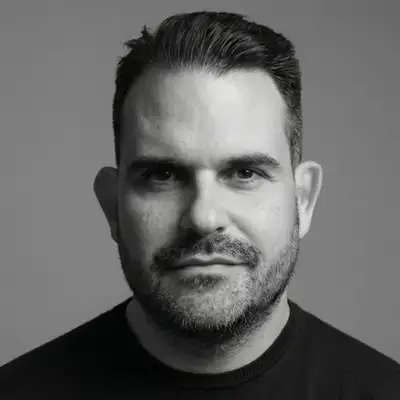
About The Host: Chris Maffeo
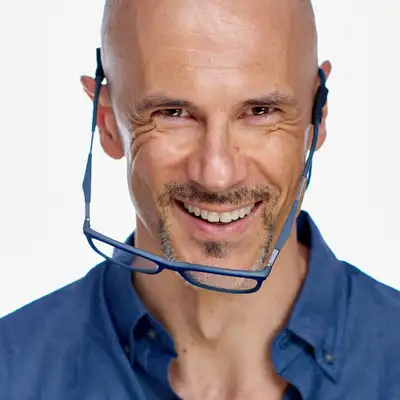
About The Guest: Francesco Sapienza
In Episode 045, I continued the conversation with Francesco Sapienza from Episode 044. He disclosed some tips about Drinks Photography and unveiled the behind-the-scenes of working with some of the best bars and restaurants in NYC. It is also in video on Spotify and YouTube.
Time Stamps
0:00 Introduction
0:22 A Food Photographer's Red Flags
6:39 Creating The Photograph
10:34 The Role of Light in Sales
16:24 Ensuring a Follow Up
20:04 The Value of a Professional
27:20 Photographic Tricks
29:33 Difference Between Food & Drink Shots
32:40 Taking Shortcuts
35:48 Best Color For Liquid
40:17 Pragmatic vs Aspirational Imagery
44:50 The Professional as an Educator
55:00 Ending Remarks
57:09 Outro
About The Host: Chris Maffeo
About The Guest: Francesco Sapienza
The Maffeo Drinks Podcast is a leading business podcast in the drinks industry. 135 episodes. Listened to in more than 120 countries. This podcast closes the gap between Bottom-up reality and Top-down expectations with conversations about how brands are actually built, from the field, not the boardroom. Chris Maffeo, founder of MAFFEO DRINKS, hosts the show with over 20 years of experience across 30+ markets.
Guests include some of the top voices in the Beverage Industry. Founders, Directors, Top Brands and Distributors such as Mark Ward, Jack Orr-Ewing, Maurice Doyle, Ben Branson, Heather Greene, Philip Duff, Steven Grasse, Francois Monti, Georgie Bell, Robert Simonson, Imme Ermgassen, David Gluckman, Brian Rosen, Danil Nevsky, Felice Capasso, Nick Gillett, Paul Hletko, Racheal Vaughan Jones, Andre De Almeida, Kaitlin Wilkes, Paul Thomas, Stephanie Jordan, Roberta Mariani, Adrian Michalcik, Hunter Gregory, Filiberto Amati, Julian Davies, Alex Ouziel, Daniel Szor and more.
Welcome to the Mafeo Drinks Podcast. I'm your host, Chris Mafeo. In episode 45, I continued the conversation with Francesco Savienza from episode 44. He disclosed some tips about drinks photography and unveiled the behind the scenes of working with some of the best bars and restaurants in New York City. It is also a video on Spotify and YouTube.
Chris Maffeo:One one thing that I'm thinking now when you were talking is that food photography, it's on the top five of the cool jobs, right? You know, it's like especially now since Instagram was created and all the influencers and food bloggers and you name it, right? So, it's very similar to bartenders or brand managers for a whiskey brand or it's one of those cool jobs that everybody would like to do. You make it look simple and easy, so everybody says, everybody can do that. So why not giving it a shot?
Chris Maffeo:Yeah. But there's a lot of work in the, what I call the unsexy stuff that needs to be checked. Right? And what I feel is that very often, I mean, have an agency background before working for multinationals and I see very often, actually too often, a very big disconnect between agencies that are thinking top down, working with the headquarter of the global brand team of a drinks company or a food company, could be pasta, could be whiskey, it could be gin, totally disconnected from the bottom up world, which is what you do because you go in and you're waiting outside of the closed restaurant on a Monday morning with garbage outside the door when the cleaner is coming to open the restaurant for you or you know one of the staff that needs to clean the tables is actually opening. And you see the reality, know, you don't see the restaurant when it's fully beautifully polished, full of people and full of celebrities having glasses of wine, but you actually see the reality of put the lights on kind of thing.
Chris Maffeo:So how do you work with that? Like, what are what are the things that you would advise our listeners to watch out and to to understand about the bar world and the restaurant world, so the hospitality industry apart from all the fancy stuff that they may know. Especially for those who haven't worked with professional photographers,
Francesco Sapienza:there are a few things that you want to do because you want to make the most out of the money that you spend on a professional photographer. So if I go there, I'm supposed to take portraits of the chefs, and then I have to take maybe 10 or 15 dishes. Maybe it could be an opening of a restaurant, so they have some selected key dishes they wanna show, they wanna show the chef, and they wanna show the interiors. And I happen to be to be able to take all these photos, so they are quite different separate photography genres. And I go there and say, okay.
Francesco Sapienza:Let's start with the interiors. And they realize that the place is not clean, for example. And it's like, no problem for me. I mean, I can I can stay a bit longer? That's okay.
Francesco Sapienza:But is somebody coming to take care of this? And you guys know what you want on the table?
Chris Maffeo:Or do I need do I need to flip the chairs from the from the tables and
Francesco Sapienza:do it myself? I've I've done that. I've I've done that. Two, but, like, I can see there are empty vases. Do we want flowers in there?
Francesco Sapienza:Were you thinking about what or should we just remove the vases? And and maybe they just got a brief maybe the agency maybe they have an agency. Let's put it this way. And the agency pictures this amazing scenario where we want the style photos, we want to have interiors, we want the portraits, and we want the food. That's fine.
Francesco Sapienza:And they picture an ideal scenario. But then I go there, and it's not ideal. And there's only so much I can do if flowers are not there and you really wanted the flowers on the table. So much I can do. Or the place is not right.
Francesco Sapienza:Or the food hasn't arrived. Maybe the ingredients were not available yesterday or today, and they were planning on buying them before the photoshoot.
Chris Maffeo:Maybe the chef is on holidays or
Francesco Sapienza:That is a bit extreme maybe, but maybe the chef is is is sick, and you don't have backup plan. You need a backup plan. I have my backup camera. If my camera fails, I have another camera. In order for you to make use of the time with me, then you need to have a backup plan for things, contingency plan for things that could go wrong.
Francesco Sapienza:So say that the chef is not showing up today for any reason. Are you still able to deliver? Of course, that's an
Chris Maffeo:issue. And how do your client, let's say, respond to that? Like, do they
Francesco Sapienza:Well, I try and do this work before going there. I could just say, I don't care. I'm gonna show up. I'll get paid because I was there. It's not really rewarding.
Francesco Sapienza:As I said, I don't want them to waste money on when when they invest. I want them to have a return. So I don't want them to waste money. I don't want to waste my my time and their time as well. And let's not forget that you need to have people there helping me with with setting the scene and bringing the the dishes to my table where I'm shooting.
Francesco Sapienza:So you need people who is actually brought in and paid to just do that on that day or those two hours, whatever that is. So there's a big investment in terms also, you know, time and money on their end. So I try and work on this before and say, hey, guys, did you read the brief from the agency? They want this and this and that. Please make sure you have all those things.
Francesco Sapienza:Or you talk to the agency and you figure out the contingency plan. So, I mean, it has happened that I saw the brief, and it's like, okay. Shoot this pasta white plate and then on a white tablecloth. And it's like, we don't have white plates. That's a big disconnect.
Francesco Sapienza:And I'm not pointing fingers, you know, one sides is about making mistakes, but there's a disconnect sometimes. And sometimes, you you could avoid it. Other times, you could've, you know, if you were supposed to be important to
Chris Maffeo:the But also, yeah.
Francesco Sapienza:The chef is not sick. That's the way it is.
Chris Maffeo:From my angle, I'm always stressing the, let's say the focus on the target occasion, for example. Like so you have a, I don't know, a gin brand and you are known for specific gin and tonic with a specific serve and so on. Could be a cucumber garnish or a rosemary or thyme or whatever. And then they may either not have that garnish or they actually, in the brief, actually, they don't ask you to shoot the gin and tonic, but they ask you to shoot another drink. And then whenever all the communication is about gin and tonic, oh, we did a photoshoot, but actually there's no gin and tonic photos.
Chris Maffeo:Right? Yeah. So when you work with drinks brands or food brands, like how strict are they? Do they have a clear image or do they shoot just like a wide selection of things and that they might forget the actual important ones?
Francesco Sapienza:Hopefully, they have a clear idea of what they want. And also, that's part of the work that maybe I have to do before and decide to work with them. And maybe if I realize that as we were saying before, if I realize that they don't have that that communication mail down, maybe that's not my ideal client. And sometimes they don't really know. So sometimes they just shoot a lot of photos, and then never use them.
Francesco Sapienza:And so they have invested time and money into professional photography, and they could use that money, you know, in a different way at the time as well. So so that happens. But as I said before, I think that that should be also one of the filters I need to use to realize if I want to work. Yeah. Then there are other situations where you just can't avoid, you know, if there is a disconnect in the message between the the whoever is doing the marketing and communication, and the whoever is actually putting together the dishes and the drinks, you know, because the bartender might not know what he or she needs to prepare.
Francesco Sapienza:I mean, they
Chris Maffeo:Of course.
Francesco Sapienza:Of course. Have an array of things that they can do, and they could be could be stuff that you sell a lot and that you're proud you're doing, but maybe they're not in line with what is asked by whoever is doing the
Chris Maffeo:good thing. So you act like, if I get it right, like you are acting as a hinge within the ecosystem because there's a brand, there's an agency, there's an owner, there's many different moving parts within that. And you are kinda like making everybody communicate using, let's say, the excuse of photography. In a
Francesco Sapienza:way, yes. It is that way. So in these cases, I I would say in my experience, having a a in house department of communication helps because normally, those people are very close to the hands on experience. And many of those people very often are at the shoot. So in that case, there's not so much of a disconnect.
Francesco Sapienza:But then when you talk to maybe our agencies, you know, external entities that help with communication, then you can see more disconnect there.
Chris Maffeo:I can imagine for sure.
Francesco Sapienza:But disconnect can be on so many levels. And also, it's up to, you know, how resourceful I can be in terms of doing things that may would not have been possible. Say that, okay, we're missing these ingredients. And maybe I if I know that, maybe I can shoot in such a way that maybe I can give photo to a photo retoucher, and they can add the ingredient. But then I need to know that because then I can shoot the photo in a certain way because I know something's gonna go there.
Chris Maffeo:Okay.
Francesco Sapienza:So keeping that in mind, yes, you can fix to some extent the disconnect some other times, like in the example of the chef being sick much.
Chris Maffeo:You made me discover the importance of light in photography. What's the role that light can play in in actually helping sales in a bar or in restaurant of what you are what you're shooting?
Francesco Sapienza:Okay. I think we need to to split this. Say that say that you say that you have an idea in mind. You have a picture in mind because you're gonna use that for communication for a specific thing. So that picture needs to be shot in a certain way.
Francesco Sapienza:And no matter what the style of the photo, no matter what the environment looks like, no matter what kind of photo you're doing, it needs to be aesthetically pleasing. And if your lighting is not good, you will not be aesthetically pleased. I think with video, it's a lot easier in a way because video is so much more than just what you see. It's the way you cut it, the way you you edit it, the music that you put there. So even if each frame is not aesthetically very pleased, you can get a fantastic, very captivating video.
Francesco Sapienza:With photos, no. You have something that is sitting there, not moving. So light is by far the most important part of photography. And I would say up to 9095% of the photo. But So if if you if you miss that
Chris Maffeo:Yeah.
Francesco Sapienza:No matter how good you are with retouching, no matter how good you are with with composition, the way I tend to describe it is like, yeah, if you switch off the light, and your frame is black, it doesn't matter what composition you have. So nothing counts, basically, if lighting is not it's not proper, it's not good. If composition and then it's good, and then if you're editing is good, then of course, that's going to reinforce the beauty of lighting, because you're to make something that's even more aesthetically pleasing. But light is like the ingredients in a in a dish. Yeah.
Chris Maffeo:But I mean, you're working in an environment that is, let's say, not known for good lighting.
Francesco Sapienza:No, that's right. I would just say that's correct.
Chris Maffeo:That's correct. But in restaurants, I mean, bars, I would say, quite dark or there is also like this trend of minimalistic lights and and so on. So how do you cope with the environment? Because I mean, you can fix the light. I'm just assuming now.
Chris Maffeo:You can fix the light for the photoshoot, but then it doesn't give the real picture because then I'm going to the restaurant and it's much darker and I'm eating that dish in a very dark environment while on the photo that you have fixed, you know, it's very nicely illuminated from a photographic perspective. Right?
Francesco Sapienza:You're not gonna create a nice photo of, I would say, probably 80 or 90% of the lighting that you have in restaurant in New York City or any city for that matter. Because normally, you don't have windows. Unless you have windows and it's during daytime, which has beautiful light, and you normally have a spotlight Yes. That goes straight down, and that light is not pleasing for the food. But our mind will still see a beautiful dish or a less beautiful dish.
Francesco Sapienza:So the beauty of the dish, I think, is captured by our eyes anyway, even if the lighting is not great. In a photo, on the other hand, it's not that way. It's almost like our brain compensate and and kind of filters out the bad lighting and still can see
Chris Maffeo:Okay.
Francesco Sapienza:Enough of the dish. There's a lot of compensation that goes on in in the brain. But if you're taking a photo, once you look at the photo, which is exactly the same as what you've seen at the restaurant, you go like, that's a crappy photo. Not nice. Yeah.
Francesco Sapienza:But when you're at the restaurant, you don't even think about that. So when you want to shoot that, you need to create your own light. And that needs to resonate to a large extent with the ambience or with the feel that you want for the photo because the way you want to communicate about your brand and the aesthetics that you have in your brand.
Chris Maffeo:Has it happened to you that you were actually advising on, I don't know, changing the lighting in the actual real restaurant apart from the photoshoot, but you know, like you were commenting and and helping bars or restaurant, like, change the their lighting setup.
Francesco Sapienza:No. I don't I don't I wouldn't say so, but definitely, I would help them because I know that many restaurants take photos of their own food, and sometimes they use the photos because because they cannot hire a photographer every week or every month. I try and direct them so that they can take better photos. And and then I just direct them just if you have natural light, use that during the day, go close to a window, no sun shining through, and you'll be basically fine. But I would say that the atmosphere in the restaurant with the spotlights that are awful for food photography is still a very pleasing atmosphere for us to be in, and we will not focus on the fact we won't even realize that the light is bad.
Francesco Sapienza:As I said before Okay. Once you take the photo, you can tell, well, most people can tell, that that photo is not as pleasing as as another one that is
Chris Maffeo:shot with
Francesco Sapienza:good light. But once you're in there, it's about the the experience.
Chris Maffeo:It's a little bit like what you were saying about the video. You know? Like, there's music, there's smells, there's Exactly. Your company and, you know,
Francesco Sapienza:like that's not so relevant. In the photo, that's all you have is a still photo. And that becomes becomes very important. So I would say I've never advised them, but I've said if you're taking your own photos, go near a window, and you're gonna have a decent light and your photos will be decent.
Chris Maffeo:Yeah. And this is like leads to another question that I'm having is that it's a little bit like in the drinks industry, like we do activations, you know, in the bar or restaurant where wherever it's legal, of course, like, you know, like, there's a promo team or, you know, you're buying a round of drinks to the to the guests or or or a single one, you know, you're sitting at the bar and you're offering, you know, a free drink to your guests when when it's lee where it's legal. But then, like, in all these activations, if you haven't done certain steps, the bartender, if the bartender doesn't recommend by himself or herself
Francesco Sapienza:Oh, okay.
Chris Maffeo:You know, sales are stopping, you know, because when I'm gone, ciao, you know? Yeah. So I guess it's similar to you because I mean, you do a photoshoot, don't know, once a month, once every quarter, you know, depending on your clients. But then like this this makes a very important point that you want to kinda like train the trainer, you know, like and and say, okay, actually, like, you know, when I'm gone, imagine, like, you go to another city and you cannot be there for another three months. You know, you need to help them, you know, feed that Instagram feed or or so on.
Chris Maffeo:So how how do you do that? I mean, you were commenting already, but but how how important is that? And is it like a little bit like counterintuitive because it's kinda like killing your own job in a way, you know, that you are making less yourself. For For sure.
Francesco Sapienza:I think at the end of the day, they buy so much more than just images or videos for from me. They buy all my experience. They buy all how smooth it is to deal with me from the moment you contact me until the moment. So I deliver the images and you get an invoice that you can pay in, you know, four different ways. Yeah.
Francesco Sapienza:So I make by being a professional photographer, I make their life extremely easy. And I'm not just delivering photos. So when they actually need have an urgent need for photos and I give them some advice, I think that's that's stuff that they wouldn't call me anyway to shoot. No. Maybe it's today's pitch that they found that the market is not gonna be able available tomorrow Yeah.
Francesco Sapienza:And they wanna post their image today. Yeah. So those kind of photos, I will never get to shoot anyways. Okay. And even if you're a huge restaurant with huge budgets, that wouldn't happen because you need it quickly.
Francesco Sapienza:And so I would say I don't feel like I'm taking, you know, way work work for me.
Chris Maffeo:And how do you work with them? Like, do do they do they have kinda like a, I don't know, like a designated, you know, the best photographer or the best wannabe photographer in their in their staff?
Francesco Sapienza:I enjoy teaching and helping people learn about photography. So if if there's somebody who's a kind of a, you know, photography nerd or is very interested in photography, I'll I'll spend time talking to that person. Normally, they start by but they may have a designated person who has some some aptitude for photography, and they buy that person a camera, professional camera, a real camera, whatever that that means. And then they they're done. Okay.
Francesco Sapienza:They have somebody clicking. They have the camera, and that's all that person needs. Then they go like, these are not as good as the photos that our photographer took. Unless they are, I mean, that person is a photographer, in which case, you solve your problem yourself.
Chris Maffeo:But it makes me think like, because there's many similarities with the drinks world because I always say like in one of the segmentations that I'm using, there is the level of, you know, how skilled the bar staff and the bar, the actual bar is in a restaurant. And I mean, of course, New York is the is the Macau, you know, proper cocktail bars in the restaurant. Now you don't you hardly have any you know, we had this conversation a lot. Like, you hardly have a restaurant that doesn't have a proper cocktail list in New York. While in Europe, I mean, now in Italy or, you know, whatever, in Prague or whatever we travel, it's very different.
Chris Maffeo:But even there, there's always like one of the waiters that is into drinks and wants to try and make some basic cocktails. No? So it may what you were saying, like, it makes me think like it's the in that case, it could it could be like another waiter that is like, but I actually like photographer. So I want to try and I want to do something and that's a very, let's say, thin line between, you know, some owners that may say, oh, actually, I'm gonna use you instead of a real photographer, a professional photographer, or a professional bartender. You know?
Chris Maffeo:Like, they they may think they don't need yet or at all a bartender because, like
Francesco Sapienza:And maybe they don't.
Chris Maffeo:Maybe they don't. Maybe they don't. Yeah. Yeah. So there is a time component.
Chris Maffeo:Yeah. Let's say wish component. But it's very interesting because I think it has got to do with the kinda like sexy aspect of the topic, you know, that attracts people, you know, like we we've seen, I don't know, like barbershops opening up, like, crazy bars, cocktails, mixology, photography, food photography, you know, Instagram and so on. So everything that is kinda, like, Instagrammable has created a new market in which there are still professionals and and less so.
Francesco Sapienza:But mean, yeah. Totally. Exactly the same. If time is an issue for you, you know, and you have a guy or girl or whoever, who can't take good photos, it just takes 10 times the time it takes me. No time is not an issue for you.
Francesco Sapienza:Why would you spend money on me? You got the person.
Chris Maffeo:But then maybe you need a waiter do That's the
Francesco Sapienza:your business. I mean, you you know best. Do you do the math and and you see. But that's a good point. It's like, do you have that time?
Francesco Sapienza:Are you sure it's it's really free photography? Yeah. Because you're paying the person. Maybe that's a good start. Maybe the person is destined to become a free photographer.
Francesco Sapienza:Who knows?
Chris Maffeo:Because the parallel is really on point. Because it's it's, I mean, it's what we always discuss about our own businesses, you know, apart from brands that we work with and so on, like, you know, you as a food photographer and me as a drinks adviser, you know, is an element on helping people that don't have those skills or also helping people that don't have the time but actually would have the skills, but they decide to put their time elsewhere so they call us to fix the problem, you know? So like sometimes there is a confusion between like, okay, but who needs my services? It's people that don't know how to do that thing but also people don't have the time to do that thing and that answers your question on, you know, like, who can take your photos and, you know, if that photo is something that they need quick and dirty for ten minutes because it's the lunch special, so they're not gonna have unless they hire you full time and, you know, you're sitting there on a on a table just like in case there is a shoot, you know, like a food to to be shot.
Chris Maffeo:But, you know, like, that's you know, some things are more like on emergencies and, you know, And quick and dirty is some other things are for a website or for proper social media programming and so on.
Francesco Sapienza:And nowadays, I mean, with video and all you can do with editing, you know, you might have some person that is really good with editing and that, you know, become very expensive when you take your video with your your iPhone, and and then you send send the video to the editor, and they can make something really, really cool. That that is really the the perfect example of things that you can you can do yourself and make it pretty successful. But what do you say resonates with me a lot because I get this a lot and not to be doing a plug for myself, but, yes, in a in a way, and they go like, oh, wow. They are so expensive. You know?
Francesco Sapienza:The other photographer that I talked to their professional photographer, then they charge less. And what I normally ask is, okay, have you checked that the deliverables are exactly the same? Like usage rights and all those things? Have you worked with this person? Do you know how if it's easy to work with them?
Francesco Sapienza:And how fast are they? If I can deliver what you need in half a time compared to another photographer, and I might cost 20% more, 30% more, I'm not sure that you're saving money by going with the other photographer. It won't be an excellent photographer. But if they're slower than me, you need to account for that time. You need to have the person we were talking about, you know, who is helping with the dishes, the chef needs to be there, and and all that will be reflected on your bill one way or another.
Francesco Sapienza:So that's why I asked the question. It's like, yes, the number might be lower, but it doesn't mean that that at the end of the day, you're saving money.
Chris Maffeo:Absolutely.
Francesco Sapienza:Also, imagine if it takes longer for you, and the only time you can shoot is during opening hours, during when the restaurant is operational, so there's clients. So you're setting aside part of the restaurant, one table or two tables, whatever that is. And those tables cannot take traffic. So you cannot sell those tables. So the longer it takes for a photoshoot to be done, the more money you're losing because you cannot put seat anybody on those tables.
Francesco Sapienza:Absolutely. So that needs also to be accounted for, or you need to pay stuff if it's a closed day. If it's closed,
Chris Maffeo:you need to You need to pay the stuff.
Francesco Sapienza:That it wouldn't be there. And if it's open
Chris Maffeo:But they're not they're not gonna be paid two hours.
Francesco Sapienza:Exactly. Exactly. Like, they're
Chris Maffeo:gonna be paid a full day.
Francesco Sapienza:Exact or half day, whatever that is. And if it's open, you're not gonna be able to use the table. You're gonna you're not gonna have return from those expensive tables No. In in New York City. So all these aspects, I tell people about.
Francesco Sapienza:I mean, you you can go with wherever you want, but just know that that's in the equation. You're fooling yourself if you think that you're saving money just because the price tag on photography is lower.
Chris Maffeo:Yeah. How would you say, like, especially in the spirits world, the drinks menu and the back bar are the most important things to get rotation and to get sales and and so forth? But if I look at it through the lens of a photographer, you know, back bars are quite strange places, you know, like they're usually dark, you know, all those bottles are stuffed against each other, dusty with many brands that are not rotating and not always, you know, wiped off and so on. What would you advise to bar owners who are listening to use photographic tricks, let's call them, to make it more appealing and to see it more and to make want to order it more?
Francesco Sapienza:I would say yes, you need to bring light to those products. And if you want, use them all should all be later. Of course, they should be placed in places where you can see them. You might have, you know, 200 bottles there. But if they're really high up or behind other bottles and you don't see them, it doesn't really matter.
Francesco Sapienza:But, yeah, they need to be visible. I would say that that part, I haven't seen that being such a big problem. Normally, bars are are lit in a way that you actually see the bottles because they normally have these LED lights below on top of the bottle. So you get the shine and sometimes from behind. So you get the shine through maybe transparent or semi transparent.
Chris Maffeo:Maybe you're you're spoiled because you're in New York because I can I can guarantee you that they're elsewhere, like the But the bottles are pretty sad and lonely and dark?
Francesco Sapienza:But then on the other it's pretty tough to actually shoot, say, a bartender mixing a drink, preparing a drink, and also throwing the bottle in the back bar. Very, very hard. So you need to do tricks, and then you have to bring the bottle in front to show it. So it becomes more like very obvious that you're kind of promoting this brand, if you have a bottle where you can see the label. And do
Chris Maffeo:you see do you see that there's a big difference between shooting food and shooting drinks? Not huge difference, but there is a difference.
Francesco Sapienza:Normally, especially if the drink has some sort of transparency. So not red wine, not thick, very, very, very strong red wine. You want to shoot so that the light comes from behind the drain. And that's gonna basically make it pop. If you shoot it with the light coming from the front, which you should never do in food, and also in drinks, you're gonna get the reflection from the glass, and you're not gonna see very well what's inside.
Francesco Sapienza:Mhmm. So it's a it's pretty counterintuitive, but most probably 90%, you should have the the the light coming from behind, maybe slightly up from from above. Okay. But behind, and then you're gonna get all those highlights, those reflections on the surface of the drink, and they make it really appealing. And that goes for for many foods, especially if they're flat foods, you can have the same type of light.
Francesco Sapienza:But if you have a tall food, you can just shoot it. You can just light it from the back, because you're not gonna see the front. In the drink, if it's a transparent glass and a pretty transparent liquid, then you can just shoot it, light it from the back and it's gonna look gorgeous. I have
Chris Maffeo:a theory and I've discussed this with many people in the industry, this was actually the success behind the spritz. Apart from the taste and the how easy it is to make it, like, it pretty much grew together with Instagram and the trend of including food and drinks Yeah. So to say. And I have the feeling that that that's what made it, I mean, an orange ish, reddish kinda like drink. Pumps like it, you know, when Pops a lot.
Chris Maffeo:Yes. So when you were talking, like, I was seeing spritz all over the place with the sunsets.
Francesco Sapienza:Exactly.
Chris Maffeo:And spritz at the sunset, and then you
Francesco Sapienza:got it. Very hard to to take a bad photo of a drink if you're just against us. The sun is pretty low, so sunset already kind of nice feeling, you know, aperitivo kind of feeling that's already nice. So you put the the sun is coming from this direction, you put the drink here, and it should be from here. It's hard to very hard to miss that.
Francesco Sapienza:Yeah. Yeah. Yeah. Maybe you don't want the sun exactly in the drink, but just the light coming from from the back, it's gonna lit that beautifully. And and it's gonna look really, really great.
Francesco Sapienza:And then it's one of those cases where, yes, you might go in and look pixel by pixel and realize that, oh, but this is not so professional. It's not so sharp. Who cares? The feeling is nice. No, of course.
Francesco Sapienza:That's why any phone is able to capture the feeling because the lighting is so good. Meet a professional camera in that case because the lighting is so good and the feeling is so great and and you're done.
Chris Maffeo:And earlier you mentioned the fact that maybe like a skilled or the most skilled waiter or staff from the restaurant that is into photography and then basically the the owner is buying them a camera and, you know, thinking that the deal is done because it's like I buy you the best thing. And then and you mentioned and I know you, you know, like you're a big fan of food photography also with with a phone. Yeah. Absolutely. With an iPhone.
Francesco Sapienza:Absolutely. Yeah. Think you can go very, very far.
Chris Maffeo:And so what's what's your take on that?
Francesco Sapienza:Well, my take my general take is that people included look for shortcuts. You know? And and it's not always possible. So if I tell you, hey. You spent $3 on a camera and your problems with photographer photography are fixed for the rest of your professional life.
Francesco Sapienza:Hey. I think I'm gonna be missing this hopefully ten, twenty years. $3 is not much in twenty years. Unfortunately, that's not your solution. It doesn't buy you a solution.
Francesco Sapienza:It's an easy way to feel that you've done something that you invest, but you invested the money in the wrong
Chris Maffeo:thing. Mhmm.
Francesco Sapienza:So that's a big problem. If nobody tells them that that's not what they need, it's not their job to know because I also thought at the camera, I was taking the photos when I started. So I thought, the camera, good camera, and then I'm gonna become a photographer. Now so if you don't wanna spend the money on the camera, you can start thinking go so far with just a smartphone. So I tell them, because sometimes restaurants say, we cannot hire you again, you know, for another six months, and we need for a week.
Francesco Sapienza:Can you tell us what camera to buy? Like, I'll tell you what camera to buy. Frankly, you already have a camera in your hands. Yeah. Yeah.
Francesco Sapienza:And if you do a few things right, that camera is gonna deliver And what you I'm
Chris Maffeo:I'm smiling because actually earlier, my wife told me that our daughter wanted wanted a photo yesterday and we went to a wedding. And and my wife told her like, okay, wait here. I'm gonna take my camera. And she said, what's a camera? Because she has never seen one because, you know, and she said, okay, sorry.
Chris Maffeo:I meant my phone. And she said, oh, okay. I got it. And it made made us laugh this morning because I said, like, actually, she never saw a camera. You know, she doesn't know what a camera is because for her, phones are big in pictures.
Chris Maffeo:So maybe for the new generation, you know, it's gonna be easier.
Francesco Sapienza:And yeah, like when kids saw the old telephone with the
Chris Maffeo:well, actually, like we were walking around Naples earlier, and my my daughter said, like, what's this? And it was a phone booth. And I and I was trying to explain it to her. I was like, you know, back in the days, you you had no phones with you, and you had to stop and do it this way.
Francesco Sapienza:Maybe it's not fifty years ago. No. So definitely, you need to know what your problem is first, and then spend money if you want on that, but spend money on the right thing.
Chris Maffeo:And what would you say, like, from a photographic perspective, now just like just for fun, what is the best color for for liquid to be shot? What's the easiest and what you would you would say would be the most appealing? I mean, we spoke about the orange or reddish. Yeah.
Francesco Sapienza:Stuff that adds color. So I would keep up to do extreme. One extreme, there's, you know, very dark red wine. Basically, you're not gonna get shine.
Chris Maffeo:So that Espresso Martini, tough to to shoot.
Francesco Sapienza:Okay. Sorry. Let me rephrase. Let's talk about just the the the liquid itself. Okay.
Francesco Sapienza:So very dark red wine that doesn't have any decorations on the top. Okay.
Chris Maffeo:Okay. There's no white There's no there's no There's no foam. There's foam.
Francesco Sapienza:There's no ingredients on the top. Okay. There's no there's nothing. And then a glass of water or, you know, vodka and not even ice. You know?
Francesco Sapienza:Just this two extreme examples. So, basically, they won't give you much. The water or the vodka and ice will give you more than the glass of red wine. Okay. Just really, really tough to to make.
Francesco Sapienza:Sassy. Anything in between is gonna work even if there is no decoration on top. So I would say, you know, a rose or a white wine or a red wine that is pretty, pretty bright in color, anything in between. You can have another dimensional top that is the decoration top. So espresso martini, yes, very tough to shoot and show the the actual espresso there and the the color is dark.
Francesco Sapienza:There's not a scene there. But the decoration on top, the foam and the beans, those are gorgeous. So if you light them properly, so with the light coming from the back and a little bit above, you're golden. So those I wouldn't shoot from table level. I will shoot them from higher up.
Francesco Sapienza:Yeah. And when you talk about 45 degree angle, more or less, and the light behind the subject. Perfect. So I think there are two different first, how much degradation there is on top and then the type of liquid. And if the degradation is very prominent, of course, you wanna focus on that even if the you could see something in the liquid, but that's less important.
Francesco Sapienza:And then if you go at a 45 degree angle, you could probably get both depending on the glass. If you have a tall glass and you go at 45 degree, you can see both the decoration on top and also what's in what's underneath. If you have a a very, like, couple don't know what you call a glass that is very, very short.
Chris Maffeo:Yeah. Yeah. Yeah. Like, I don't know what you
Francesco Sapienza:Like, for the espresso martini, you know? Yeah. Yeah. Yeah. There's not much volume there.
Francesco Sapienza:So you should focus on what you see on on on on top rather than trying to capture what's underneath Yeah. Because it's way too shallow.
Chris Maffeo:And especially because the stem of the glass is
Francesco Sapienza:so long also. There's nothing there that you wanna show. Yeah. What you're saying about this Brits makes total sense. Orange with a dark background or darker background, the pause orange against the sky, blue sky popped perfectly.
Francesco Sapienza:It's like it's then it just bumped the saturation a little bit or put a filter or some Instagram filter, and you get a gorgeous photo. And and I'm truly saying that. It's gorgeous because it captures you.
Chris Maffeo:Yeah. Yeah.
Francesco Sapienza:How it's taken and how the pixels are, if they're perfect or not perfect, it's irrelevant. It captures you. That that that's what you want. Yeah. You want evoke an emotion in whoever is looking at the photo.
Francesco Sapienza:How how come can you evoke emotions out of images taken with old cameras? My brother, you know him. He takes photos for fun and for business. What date? It's called wet plate.
Francesco Sapienza:So the camera is from 1850. Very imperfect. Very imperfect. It's gorgeous. It's nothing to do with being perfect with with having everything super sharp.
Francesco Sapienza:No. It's the feeling that you get when you look at it. What the successful picture is is something that evokes the emotions that the brand wants you to have. Wants you to experience. How you reach that?
Francesco Sapienza:If you have somebody who's good at doing that, either with video and then with a very good editor or with an iPhone and just being good at capturing that and bringing that emotion across.
Chris Maffeo:Mhmm. And it makes makes me think, like, something that I discussed, like, and I wrote a couple of articles about is that there is a tendency for drinks brands to to work a lot with very aspirational imagery. You know. So I don't know, like a riverboat on the Lake Como or a rooftop on in Manhattan at sunset or whatever, like, you know, I am just, like, making stuff up now. But and I always have a bit of a kinda like schizophrenic approach to this because it's like, I get it.
Chris Maffeo:I understand, like, you're making it appealing to me, but it's so disconnected from my real way of living that actually I always say why don't brands shoot stuff, you know, and communication in a much more relatable kind of environment that, you know People can relate Yeah. Like a, I don't know, like a cool kitchen or a or a backyard or a garden or, you know, something that I don't wanna say everybody has, but there is a high chance that I am gonna come to your place and have a barbecue and drink and make it cool and appealing rather than dreaming about a trip on a riverboat that I would probably never do on a Lake Como and I will never go there. I know. What's your take? Is there a way that they could make it in a much more kind of like pragmatic way, like that is seem more similar to the way you and I are or not?
Chris Maffeo:If there's a trend
Francesco Sapienza:that wants to highlight genuine experiences and experiences that are more relatable to people. I think maybe, maybe in the restaurant business is a bit different compared to drink brand, I and drinks. Mean, ultimately, we're still selling a dream, your side. But maybe in the restaurants, since you can have people really sitting there and having that meal, I think maybe that's what's driving the push towards this more genuine feeling and things that may not be perfect.
Chris Maffeo:Yeah. Because if you think about it, I mean, is also a level of I mean, remember, like, you know, working with champagne brands or, you know, very, you know, top whiskey brands and so on. Some years ago there was a trend in making them super aspirational. Nowadays, you know, like they want to make champagne an everyday thing, you know, like, they want to go away from being celebrational. It's just like wedding and birthdays and, you know, graduations.
Chris Maffeo:They want to say, okay, it's a random Tuesday night, you know, let's watch Netflix, let's pop a bottle of champagne kind of thing. Yeah. And if you are only working with aspirational, very aspirational images, you are disconnected from that kind of like more everyday luxury kind of thing.
Francesco Sapienza:I totally agree. I I have to say actually, it came to mind that I recently did a shoot for a for a wine brand, very high end, super high end. And I was kind of surprised by their brief because the brief was exactly it needs to feel like anybody could be holding this class. And one of the things they stress so much in the brief, I think it says four or five times, they never wanted the bottle, never wanted to show the label. Not only that, but never wanted the bottle sharp in image.
Francesco Sapienza:Okay. And not even the glass. I was like, okay. Send me images because I don't understand. They sent me images, and I was like, wow.
Francesco Sapienza:That's so cool. So, basically, you see the bottle, you see the glass, but what's sharp? Maybe it's Empire State Building. So you can understand that you're in New York. You're drinking this because the color is the color of that Okay.
Francesco Sapienza:That drink. That was so cool because it's and I think this is a little bit in line with what I'm experiencing when I said about, you know, the genuine feeling. And I totally felt more connected with those type of images, you know, compared to images shot on a Riva boat or or a drink. And I'm telling you, this is a very high end wine. I'm not talking about just any wine.
Francesco Sapienza:So that was surprising, very cool, and also kind of I was baffled. I didn't really know in the beginning.
Chris Maffeo:And I think that's also a little bit in line with what you and I discussed a lot, like creating demand in a way even for competitors, which is a little bit like counterintuitive, but then in the end, you know, I'm giving you a service because I'm actually educating you on the category. Yeah. And then I'm explaining what's my role within that category, which is not being the best option of whiskey or whatever, but it's whatever. The whiskey for those kind of people that are looking for that kind of taste and that want to spend that much money, for example. But then I'm going to teach you about the whisky category and the spectrum of spend that you can spend and how much, you know, roughly each year of ageing is gonna cost you and where you want to balance yourself.
Chris Maffeo:And then, for example, I don't know, for me, could be a fifteen years old whiskey. That's a sweet spot. Yeah. Or fifteen, eighteen. But then when it starts to go over, then it's beyond my
Francesco Sapienza:power to appreciate. Right?
Chris Maffeo:Yeah. I don't appreciate it and cost wise doesn't really, you know, but it's something that most brands don't understand. And I may be wrong. I mean, this is, let's say, my way of building brands bottom up, but that will cater people towards you because they're gonna think like, hang on, this person hasn't sold me anything yet, you know, I'm gonna buy something from this guy because, you know, he has helped me navigate the mess of this category, which is what you were saying about professional photography. I have no idea what am I paying.
Chris Maffeo:I'm paying, you know, costs for rights and usage rights and time, editing, like, yeah. And, you know, how long does it take for a shoot up? No idea. You know, I'm a I'm a chef, you know, like, I don't do this kind of thing. But then I'm gonna use if I ever need a professional photographer, that's and and I see myself every day, for example, like when I'm writing on LinkedIn, I'm not pitching for any sale and then people are asking me for advice or for consulting gigs and they come to me often like, it's like, I've been following you fifteen months and now it's the first time ever that they reach out with a direct message to me, you know.
Chris Maffeo:So they've been sucking in all the information and some people they even just write me, I just want to say thank you, you know, I don't need anything, I don't think I can afford you, but, you know, I'm just enjoying what you write and it's helping me a lot and I'm sharing it with my team and so on. So, there is this kind of thing that I think is all connected, what I'm saying, what you're saying, what this client of yours, like one brand that didn't want to show the bottle or the label, you know, just like talking about the category and then their role and our role within the category, which is a new way or a new wave of selling, you know, which is much more inbound than at some point, like, people come to you and you're just, like, preaching in your own, you know, field.
Francesco Sapienza:Right. And as I said before, think a lot of this stuff took me a long time for me to learn. And I get a nice kick, nice feeling. I'll actually make it that simple for other people so they don't have to spend a lot of time. I had the passion behind, So I was spending the hours to learn.
Francesco Sapienza:Of course. And these people Now hours hours on the phone. Yeah, exactly. But many people, they don't have the passion for it. And so I like to inform them, like, give them enough information so that they can make choices that make sense for their business and whoever they end up choosing.
Francesco Sapienza:I enjoy doing that, you know, apart from the fact that may someday help them choose me over somebody else. That's almost secondary, as you were saying. In the beginning, I thought that that was only related to, you know, teaching or talking about photography, lower technical stuff. And in a case, I would have catered to photographers. You know, if I'm teaching or talking about photography, the restaurant owner is not gonna listen to me.
Francesco Sapienza:He's not interested, unless he's interested in photography. But then I realized that I want to help my own client who are, you know, restaurant owners and food brands. And I enjoy teaching also those aspects of photography that are not technical. Yeah. It gives me a lot of satisfaction.
Francesco Sapienza:That's true. That's true.
Chris Maffeo:And also, in my case, what I'm doing with LinkedIn, with the podcast and so on, it's a way to continue the education. Well, first of all, myself because I'm learning even like talking to you, even though we talk almost every day apart from weekends. But even like my actual clients, they'll relearn because I'm not with them 20 fourseven, you know. So, it's an extension of my time with them because, you know, if I'm not with them, maybe they'd be in a car listening to my podcast. And then when we actually have a meeting the next week, then it's like, oh, let's do I have an idea, let's do what you were saying in episode seven when you were talking to that guy, I really love that and I think we can do it for my brand, what do you think?
Chris Maffeo:I was like, sounds like a plan. And you know, it saved us maybe three, four hours of meetings because he just clicked on it or maybe like he read a LinkedIn post And it happens to me all the time when I'm working with clients.
Francesco Sapienza:Absolutely. Absolutely. Like also they buy, you know, your competence, your knowledge, but there's a time limit on that. So you can't have in a way, since you're so knowledgeable, you have to put everything, pack everything so crazy, small in order to deliver that. And, I mean, if they were doing what you're doing, they wouldn't need you.
Francesco Sapienza:No. But they're not doing what you're doing. So in order for them to unpack that and keep it present, you know, that's really hard. You forget. Things you don't use.
Francesco Sapienza:Every day, you forget. Yeah. So having that reminder by just listening to your podcast or reading your your newsletter, actually reminding them about things that you've probably told them already.
Chris Maffeo:Of course. Yeah.
Francesco Sapienza:Yeah. And it's not that they were not listening. It just is so much. Exactly. And you you easily forget that this is a great way of kind of keeping it fresh for them.
Chris Maffeo:It's interesting because sometimes like, you you and I have this conversation because we say we are giving something for free to non paying clients and that sometimes it feels unfair to paying clients, no? Because it feels like, okay, actually, like, I'm giving this information, you know, like the podcast is not a private podcast only for my clients, it's a public podcast that I listen everywhere in the world. But then by the fact that I'm spending, you know, weeks with my client, the podcast, it's like it's an exponential kick on it because they get the tailored consulting plus they get this kind of like daily reminders in their car while they're shopping, grocery and so on. And the non paying clients, they just get that, but they don't get the full Monty, the full experience of me, say in person or in video or tailored to their P and L so on. So it's interesting because it makes you think and sometimes like even I forget about it, no?
Chris Maffeo:Then I get reminded and when you and I have this conversation, we keep reminding each other. And we know we know it because maybe the other has told us, you know, three months ago. But in the end, like, we always need someone to remind us put us back on their the path. No? The other day, I
Francesco Sapienza:was listening to a podcast with this this guy that I hired a few years ago to help me win branding and and marketing and which I I mean, it doesn't come natural to me. I I kinda have to buy myself and think and and and study things and study trans. So I listened to the podcast that he had with another person. And then I messaged him and said, wow. Wow.
Francesco Sapienza:Great stuff. Great stuff. And he goes like, yeah, but we did this, like, three years ago, I taught you exactly the same things, you know, that you paid for it. And I and I paid for it. He was like, I know, I know.
Francesco Sapienza:But it felt different. You know, it felt like I never heard those things. Like, even though I know those things, I don't know those things. They're not there with me constantly because that's not what I do.
Chris Maffeo:But there
Francesco Sapienza:is a That's what he does.
Chris Maffeo:But there is actually like one of my friend now because we know each other for a long time. And he's literally like under every post that I do on LinkedIn that there is a like or a comment or something on Twitter and so on. And then like I posted an episode of a podcast, and I was explaining the target occasion, which I spoke about for years, and he's been following me for years. And he wrote me a message and said, like, now I had an enlightenment, and I really understood what you mean by target occasion. You know?
Chris Maffeo:And I was like, wow. And I felt like, how's it possible? Like, it's been following me, like, for three years now. But, of course, like, you know, it was never so precisely explained, like, in those three minutes or maybe he never
Francesco Sapienza:Maybe he was not receptive. Maybe he just gained some knowledge recently that actually allowed him to put the pieces together. And so Wow.
Chris Maffeo:So thank you. Thank you so much for
Francesco Sapienza:choosing we We it.
Chris Maffeo:I wasn't too nervous, but
Francesco Sapienza:I was wondering where where this would go.
Chris Maffeo:No. I mean, we usually speak Italian to each other, so or that was a that was a bit of an experience. But and let our listeners know how how to find you and, you know, if they want to get in touch or buy your services or even
Francesco Sapienza:just talk to you when Yeah, anybody's allowed to do the email. I respond to all emails. I respond to all messages. It just sometimes it takes longer. But, yes, Francesco Sapienza.
Francesco Sapienza:If you if you don't don't remember the website, francescosapienza.com, you can Google Francesco Sapienza New York City, you'll find me. Or I think even Sapienza New York City, and you'll find me. And what was I going to say? And, yes, I I do respond to to all emails. And because I think if you if you take your time to to write to me, you know, this is clearly important to you, and I'll I'll do my best respond as if possible.
Francesco Sapienza:And hopefully, I can help you one way or another. And and even just say hi, you know, it has happened that I've met people, you know, just got in touch, and maybe they were looking to help me as a photographer or wanted to hire me or, then somehow we got in touch and we met outside of photography and we became friends. It's always fun to meet people. So good excuse.
Chris Maffeo:Nice, nice. To let them know. So thanks a lot for your time.
Francesco Sapienza:You're welcome. Finally, I understand what you do.
Chris Maffeo:And maybe now we can we can just
Francesco Sapienza:find it. And actually, you help me understand what I do.
Chris Maffeo:Yeah. And this is like, it's this is actually part of the reason why we wanted to have this episode, because we actually wanted to make public our private.
Francesco Sapienza:This is this is exactly the way the tasks go just in Italian and and
Chris Maffeo:ten minutes. Yeah.
Francesco Sapienza:More no more than fifteen. But yeah, this is exactly what we talked about.
Chris Maffeo:And we can actually now hopefully our wives will listen to this episode so they will find out what we talk about every day. And why we're busy today. Exactly. Cool. So
Francesco Sapienza:good to see you. You're welcome. Take care.
Chris Maffeo:That's all for today. Remember that this is a two part episode, forty four and forty five. If you enjoyed it, please rate it, comment and share it with friends and come back next week for more insights about building brands from the bottom up.