Subscribe
Share
Share
Embed
In Episode 52, I enjoyed chatting with Justin Medcraft, the Founder of Mate Maker Hard Kombucha.
He brings a wealth of previous experience in Spirits and Beer. We discussed how to build demand for a start-up drinks brand, stand out amongst a sea of products, and focus on building momentum.
I hope you will enjoy our chat.
One last thing: If you enjoy this podcast, you will also like the MAFFEO DRINKS Guides. You can subscribe free or paid on maffeodrinks.com
Time Stamps
0:00 Introduction
2:04 Building Demand
3:49 Building Community: Brand Or Liquid?
6:15 Mate Maker Elevator Pitch
11:26 The Consumer Pitch
13:07 The Ring Road
19:39 Determining Direction
26:05 Home Turf Advantage
35:09 Growing Beyond Your Hometown
38:01 Outro
About The Host: Chris Maffeo
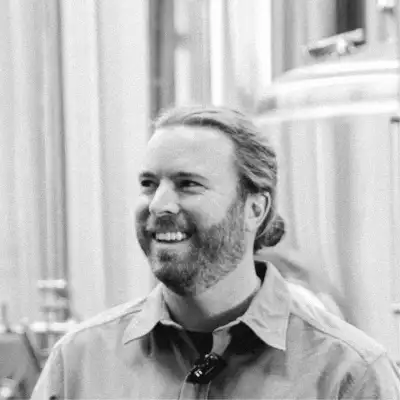
About The Guest: Justin Medcraft
In Episode 52, I enjoyed chatting with Justin Medcraft, the Founder of Mate Maker Hard Kombucha.
He brings a wealth of previous experience in Spirits and Beer. We discussed how to build demand for a start-up drinks brand, stand out amongst a sea of products, and focus on building momentum.
I hope you will enjoy our chat.
One last thing: If you enjoy this podcast, you will also like the MAFFEO DRINKS Guides. You can subscribe free or paid on maffeodrinks.com
Time Stamps
0:00 Introduction
2:04 Building Demand
3:49 Building Community: Brand Or Liquid?
6:15 Mate Maker Elevator Pitch
11:26 The Consumer Pitch
13:07 The Ring Road
19:39 Determining Direction
26:05 Home Turf Advantage
35:09 Growing Beyond Your Hometown
38:01 Outro
About The Host: Chris Maffeo
About The Guest: Justin Medcraft
The MAFFEO DRINKS Podcast is a leading drinks business podcast delivering actionable insights for drinks leadership.
For founders, directors, distributor MDs, and hospitality leaders navigating the tension between bottom-up reality and top-down expectations.
20+ years building brands across 30+ markets. Each episode features drinks builders: founders, distributors, commercial directors, sharing how the drinks industry actually works. Not the conference version. Honest conversations.
Insights come from sitting at the bar.
Beyond episodes: advisory for leadership teams, subscription with episode deep dives and principles to navigate your own reality.
Beer, wine, spirits, Low and non-alcoholic.
Bottom-up Insights & Episode Deep Dives at https://maffeodrinks.com
Welcome to the Maffeo Drinks Podcast. I'm your host, Chris Maffeo. In episode 52, I had the pleasure of chatting with Justin Metcraught. He is the founder of mate maker Hard Kombucha. He brings a wealth of previous experience in spirits and beer.
Chris Maffeo:We dived into how to build demand on a start up drinks brand, how to stand out amongst a sea of products and learning how to get focused to build momentum. I hope you will enjoy our chat. One last thing, if you enjoy this podcast, you will also like the Mafayer Drinks Guides. You can subscribe free or paid on mafayerdrinks.com. Hi, Justin.
Chris Maffeo:How are doing?
Justin Medcraft:Good, Chris. How are you?
Chris Maffeo:I'm good. I'm good. I think from our outfit, it looks like that we are calling from a slightly different weather and time zones. Where are you where are you based now?
Justin Medcraft:Different parts of the world for sure. I'm currently in Los Angeles in California.
Chris Maffeo:You know, your your outfit was looking much fresher than mine with a jumper and, you know, minus three degrees outside.
Justin Medcraft:Yeah. I hear you. It's winter in California, but probably not as cold as what it's what it's looking like for you over there.
Chris Maffeo:Actually, finally, we had a honeymoon in California. I haven't told you this with my wife, and we managed to get rain in LA.
Justin Medcraft:Wow. So you probably got one of the single days in the whole year.
Chris Maffeo:We got actually rain in Palm Springs as well. So I think we were, we were very light.
Justin Medcraft:Well, we'll have to get you back out here and we can definitely show you some proper California weather. Yeah, very similar to some of the Australian summers. I think that we we get over in Australia, very dry and very warm, but, perfect beach weather.
Chris Maffeo:I'll take your offer. So let's let's dive in on this very interesting conversation because having someone based in California and I mean, obviously with your Australian heritage, so you will be we would be bouncing back and forth from the West Coast to Australia, I guess. But let's start with your experience. I mean, you are a seasoned drinks industry drinks builder as I as I call ourselves. Let's start with with my usual question which is, how do you build demand for a brand?
Chris Maffeo:So I I have this crusade against brand awareness. You know, I'm a big fan of building demand rather than building awareness because, you know Mhmm. Awareness, it is what it is. No? So how do you believe in, building demand for a brand like yours?
Justin Medcraft:I always look at demand as, you know, building a community of people that, like, want your product. For smaller brands, think I it's like really important that you have a core audience that believes in your brand, believes in your product, that you can kind of build a community behind instead of trying to be everything to everybody right out at the start. I think it's like really, really important that you identify your kind of community at the start and, you know, kind of build from there, especially in the world today where we've got like so many emerging startup brands that are kind of hitting the industry and hitting the shelves. You know, I think there's some really standout ones that from day one have like really focused on community focused on, you know, building that connection with people. And then, you know, you've been able to kind of replicate that as you start to build out into like a much larger audience.
Justin Medcraft:I always look at like the founding building blocks of a new brand is like, you know, are you available and do people know about you? You know, so for sure, and physical availability distribution are like critical, making sure that it shows up really well on shelf. But, you know, I think the, the, the thing that really resonates that is really hard to replicate is, you know, building that meaningful connection with people and creating a community behind your brand that will then allow that ripple effect to kind of keep carrying on and almost like turning your consumers into ambassadors.
Chris Maffeo:When you talk about building a community, because I'm also a big fan of of of that, like, how does that start? You know, like, does it start from people that are looking for something or like, you know, does it start with new brand? Does it start with a brand or with the liquid? What is the trigger to build that community in, in your opinion?
Justin Medcraft:I think like building value, you know, is, is a really good way to look at it. When someone opens that can or when someone picks up your product or even discovers you in a bar or in a liquor store, what value are you bringing to them? Or, you know, how are you kind of meeting the needs of the occasion that they're looking to buy? It's always hard to pick apart. Is it about the brand at the first point of, you know, contact is about the liquid.
Justin Medcraft:I think it kind of comes down to both. You know, I look at, I definitely believe that, you know, the brand is incredibly important. So what is that experience when people see you on shelf? Are you standing out? Are you kind of resonating with them at a level that, you know, outshines your competition?
Justin Medcraft:It kind of starts with that. And it starts with like having a bit more of an experience with people that connects to them on a deeper level, but it definitely, I think finishes with the liquid. I don't think the two are self exclusive, you know, I think if it's so competitive today, Chris, you know, that if you don't have both kind of working for you, you know, you'll either get tried once and never get picked up again. Or, you know, people won't even find you and have the chance to try you, even if you've got the best liquid in the world, right? If you haven't done all your work in terms of how you show up, are you available?
Justin Medcraft:Is the product resonating with people that, you know, meets the needs, you know, of what they're looking for. You could still have the best liquid, but they might not even find you or try you. So I'm definitely a believer in kind of having all things kind of working because I think they, you know, resonate with people at different stages of their cycle. Right. So standing out on shelf, being at the right price is incredibly important.
Justin Medcraft:You know, where are you located in store? Are you in the fridge or are you kind of on the shelf where no one can find you? There's so much, so many kind of factors that go into it, you know, for someone picking you up for the first time, then it all comes down to like, are you delivering on the taste? You know, are you delivering on giving them a great experience and bringing value to them? You know, you could do everything right before that, but if you can't deliver on that at the end, then, know, the likelihood of you kind of getting that repeat purchase is probably pretty low.
Justin Medcraft:They'll probably move on to try something else.
Chris Maffeo:Building on what you're saying, like, how, how do you explain? Because, I mean, we haven't mentioned yet your, yeah, know, your brand. You know? So you your brand is a hard kombucha.
Justin Medcraft:Yeah. We we make organic hard kombucha here, in California that's made with, you know, like all real ingredients. We use our real fruit juice, organic green teas, you know, real ingredients rather than I suppose some of the artificial, you know, ones that, you find in a lot of other products.
Chris Maffeo:How do you explain the elevator pitch now? Because what I'm trying to get to is that I'm always talking about storytelling, but in a, you know, I divide it into kind of like a fluffy storytelling and a pragmatic storytelling. There is the the the commercial part, you know, there is the actual, okay, what's in it for me kind of part. Mhmm. And after that, I want to hear, you know, what drove you to build the brand and, you know, it's a bunch of cool people that created this brand and so on.
Chris Maffeo:But very often I feel that, you know, focus on the on the emotional part much more. Yeah. You you should have this hard kombucha because it's made by cool people rather than, you know, it tastes great. What's your elevator pitch when you explain to the trade, to buyers, to consumers what it is about?
Justin Medcraft:I I sort of look at it as like the boardroom pitch versus the kind of consumer pitch. Right? Because us being marketers, we kind of like to fluff things up in a, in a very different way. But at the end of the day, you're right, mate. It's like, if you've got two seconds to have a conversation with a consumer, like, what do you want to tell them?
Justin Medcraft:If we were to kind of be sitting in a boardroom with the retailer, you know, and, and walking them through our story, I think the narrative would be, we're kind of at a big shift in alcohol. Mindfulness and moderation now is prevalent and really important to a lot of people within their lives. You know, people like to have balance. They like to look after themselves, be active, you know, and be really mindful on the choices that they're making, not only in alcohol, but like across every category in grocery. People know now they turn the labels over, they look at the ingredients, they understand like what all those ingredients mean.
Justin Medcraft:And I think that movement of transparency, mindfulness and moderation, you know, is relatively new to alcohol. Transparency has been in, you know, food, dairy, other kind of categories for a long, long time. I think that over the last few years, it started to really scratch the surface in alcohol. Matemaker or our brand is very much about how do we start to give people that are looking for an option that kind of lives in this space of transparent ingredients, sustainable, you know, processes, and also, you know, mindfulness around balance, right? Making sure that alcohol plays the right role in people's lives around, you know, when people wanna have a drink or connect with their friends, they've got something that lives up to that.
Justin Medcraft:We try to create products that live up to that promise really for those people that are looking for those types of options. So, you know, we're sustainably made, you know, we have zero plastic in our supply chain. We're made with organic ingredients. You know, we don't use artificial sweeteners, like kind of all those things that, you know, that type of consumer is looking for. We try to deliver on and we do it through a community of people that really believe in that, that are musicians, rock stars, you know, elite athletes, these kinds of people that, you know, live a lifestyle that is very much about when you, when you wanna have a drink, you wanna have something that is made out of better ingredients because, know, you are on the road for, you know, three hundred days a year touring, or you are pro surfer that can't afford to wake up feeling terrible in the morning.
Justin Medcraft:We definitely look at it like at a, you know, what does mindfulness mean through products, but also the community of people that are backing it. Now that's what mate maker is, you know, to a retailer, right? They're looking for, okay, what's the insight behind it? Well, where about bringing moderation, mindfulness, and better for you together in this new, you know, category of alcohol, which is relatively new. I think better for you and alcohol is like really quite a new kind of tension point, as well as like a community of people that believe in it, that have scale and have an audience, right.
Justin Medcraft:That they can push it to. Now, if I was to pitch this to a consumer, it'd be a very different pitch. You know, if I was sampling session or meeting people in a bar, I would sort of say that, you know, our, beverage is all about focusing on real fruit and flavor. You know, we want to give people an option that is not an artificially tasting product that has, you know, real fruit and organic ingredients in it. And, know, you can kind of taste the difference when you do, you know, you kind of laugh, like if you do a Pepsi challenge, right.
Justin Medcraft:You remember there would used to be those Pepsi challenges where people would try both and you'd be a blind tasting. It comes down to that. You know, that's where we have a lot of the success. When we have two seconds with people, we just go taste the difference and, you know, tell us if you like something that is made with real ingredients that has that real profile or something that, you know, has a bit more of an artificial taste to it. So, you know, then and once they discover that and they go, wow, it's great, then you can have the opportunity to kinda tell them a little bit more about the brand.
Chris Maffeo:And do you pitch to people, like talking about consumers and and it's very interesting, like this take, the kinda like the boardroom versus the consumer desk pitch now. And, you know, are these people that are, you know, already looking for kombucha or for a hard kombucha and they're switching to mate maker or are they people that are actually like not knowing kombucha at all? And, you know, they're switching from a totally different category, for example.
Justin Medcraft:I think there's probably a bit of both. Like hard kombucha is not a national product yet at all. So we definitely sort of see like people that might be drinking seltzers or drinking something other than beer or their traditional choices. Like, I think it all comes down to experimentation, trying something new and being curious whether they have tried hard kombucha before, or if they drink Celsius or if they drink something else, like everyone kind of in this mindset of like, I'm looking for something different. Whether they have tried kombucha or they haven't tried kombucha.
Justin Medcraft:There's a mix of both of those people, but I think they're all definitely on the same page in terms of looking for a different choice, looking for something new and looking for something that's like flavor first for sure. We don't try to, you know, talk the normal hard kombucha language. You know, I think it gets quite confusing for people. I think, you know, people's eyes glaze over when you start talking about all the science behind it and all the, you know, technical stuff. Like at the end of the day, you know, it's just a bit of beverage that tastes great.
Justin Medcraft:You know, it's refreshing. It's fruit forward. It doesn't kinda leave you bloated or feeling, you know, like lethargic, like some other, you know, kind of products might.
Chris Maffeo:And where does it start from? I'm I'm trying to think because one of the things that I'm talking about lately in the podcast is like something that I call the the the brand Ring Road. I'm from Rome and of course, like all all roads lead to Rome. And I was born with these things now with all the names of these ancient roads that, you know, you can take and enter the city with. And I and I see the same way with consumers like, you know, when you want to get to a consumer, but, you know, you may take different routes now because the important is that the Ring Road is actually connecting all the those roads.
Chris Maffeo:But at the same time, you have a big chunk of roads that can get you into the city of this traffic. Now you wanna get to the city, but you don't know exactly which road you're taking from. No? And now listening to you, there's, you know, there is the kombucha aspect. There's the the ABV aspect.
Chris Maffeo:There is the fruit aspect. There are like different kind of elements that you can play with depending on who you're talking to and what they're looking for. No. And, let's say, is there like in, in your ex experience, like, is there one particular that you kinda, don't wanna say like you push, but you know, that you focus on in terms of an occasion or like a type of need of people that you see that resonates mostly with, you know, mate maker or, or is it like, it really depends on who you're talking to and what they're looking for?
Justin Medcraft:There's probably a lot of ways to answer that question, Chris, you know, like, I, I think probably the biggest things that I think we've learned and that stand out to, you know, our business, but also probably just from like my background in terms of, you know, other big FMCG businesses is like, there's two things that we, you know, try to talk about. One is occasion. You know, like when are people drinking your product? And I know you're a big believer in occasion led thinking like, I'm definitely on the side of marketing your product in a specific occasion that people can instantly connect to, because when people are going into store and shopping, I think they're normally shopping for an occasion in mind. We try to kind of really focus on being like the first or second drink of the evening, you know, like where beer traditionally has like really done a great job.
Justin Medcraft:Because I think that once people kind of get in the mindset of, you know, the first beverage, you've kind of got them for the first couple. And then they always generally kind of switch to, you know, whether it's spirits, cocktails, maybe wine. I think our products kind of have definitely like a focus on earlier in the occasion, and being like the first or second drink of the evening. That like resonates all the way down into your marketing, your flavor development, like in terms of everything that you do, you know, like for your first beverage, you wanna be really kind of connecting to that. Like, we call it the golden hour occasion, you know, like that sunset, having your first drink, connecting with your mates and, you know, maybe you don't have drinks after that, you know, that's totally cool as well.
Justin Medcraft:But like, you know, when you start thinking about tequila or vodka or spirits, right. Spirits has always traditionally been like a beverage that I suppose has been, you know, pushing into like the later end of the drinking occasion. And the big job that spirits has always been doing for like the last ten or fifteen years is like, how do we get consumption earlier in the occasion? Right. Because once people get onto spirits, it's probably more likely that they won't change off spirits once they kind of start drinking cocktails or, or whatever.
Justin Medcraft:So earlier in the evening, earlier in the occasion creates the behavior that gets people in a more, you know, flavor forward mindset where the palate's fresh and they're looking to try, you know, like different flavors and stuff. And I think that's definitely where we wanna focus. I also think it connects to, you know, our brand a little bit better as well. Know, like our brand is not about excess. It's not about, you know, people aren't gonna be drinking like six or 10, you know, hot kombuchas.
Justin Medcraft:That's normally like you have a couple and then, you know, you kind of trade into something else. So for us, it's like, we really just wanna, you know, earn it in that first drink of the day occasion, that golden hour moment. And then it's cool. You know, if people wanna kind of shift out into something else, I kind of look at starting at the occasion, Chris, I think that's probably, know, the, the thing that we've done the most of it it's informed the most decisions that we've made and that kind of gets you really focused on like where you need to win.
Chris Maffeo:I like to hear that. Yeah. Yeah. That's, that's, that's fantastic. And how does the occasion then for you translate into where to go?
Chris Maffeo:Because listening to you, was picturing and being a little bit jealous about, you know, West Coast, kind of like beaches with surfers and the golden hour and the sunset, and then you open a can.
Justin Medcraft:And that's the thing. It's like, I think, you know, people see themselves in these occasions that alcohol plays a role in being able to create that moment before you even get into store, you know, what you're shopping for, you know, what you're looking for, but you know, you also have a, you know, quite a strong connection to like where you think alcohol fits. When I look at occasion led marketing through the lens of what accounts we want to show up in, but you can get really, really clear on like what type of accounts you think are going to work for your brand. So, you know, higher volume, typically daytime afternoon, you know, kind of accounts are the, you know, the, the best place to build a brand in because people know, you know, remembering that first drink of the evening, you know, they're kind of connecting to the flavors a little bit deeper. Whereas, you know, we wouldn't typically be focusing on like late night nightclubs, you know, whereas that might be like an occasion that champagne or tequila does like really, really well in, you know, bottle service is huge in nightclubs.
Justin Medcraft:That doesn't really play a role for us in our occasion, but like thinking back to my old spirit days, you know, like that was a huge moment for us to own. So, you know, I think, I think occasion led marketing or just even having the occasion in mind can not only influence your product, but it also like really tactically drives where you want to be focused on from an account level. And especially when you're a new brand, you know, you can't be everywhere, you know, all at once and you can't be everything to everyone. Absolutely. You know, being like solely focused on like, okay, when are people drinking this?
Justin Medcraft:What are the occasions that we wanna own? And what are the accounts that fit within that occasion? Yeah. Probably like the thing that we've done that has definitely worked in our favor, a small team and being a startup beverage brand, kind of wanna know exactly where you wanna win.
Chris Maffeo:Yeah. And in fact, that that's what I wanted to get to because like, how, how does the occasion inform the commercial strategy now and understanding where, where to go on you and you bang on, on that one. How did you start? Like, because did you start from a specific city, from a specific group of accounts, from a chain, from a state, from a, you know, like, tell me, like, how did you actually start selling the the brand?
Justin Medcraft:It's funny because I think a lot of founders or a lot of people that are building a business look at this differently. It can be really easy to look at the opportunity behind chains, you know, or national retailers straight out of the gate as like, you know, the golden goose or the thing that is going to really significantly, you know, shift your business straight away. I think chain retailers or national account retailers, whatever you want to sort of say, right? Like they play a huge role in brands, but I think that identifying when to go into those chains is critical. Right.
Justin Medcraft:Going straight, you know, into some of those bigger retailers and getting, you know, national distribution straight, you know, within the first few months of launching a brand can actually be, you know, harmful for a business and can actually be the wrong thing for a business because, you know, we sort of say like you can get distribution really quickly, but you can also lose it very, very quickly. And if you don't perform and if you don't drive like really good velocity with those retailers, the likelihood of you, you know, not getting back into them is, is really high. So I think having like a tempered approach to building your route to market or building your customer segments is the right way to do it, but it's also really hard to do it. As a founder, like, you know, you wanna build that fast growth plan, you know, and be able to sort of go back to your partners and sort of say, you know, guys, girls, we got this many points of distribution straight away. It's kind of like very tempting to do it, but, you know, the, the challenge with that is like, you can, you know, you gain it really quickly, but you can lose it really, really quickly too.
Justin Medcraft:And if you haven't back to that, you know, brand awareness and that community piece, like if you haven't built that before, where you start to like scale up and you just show up as like another product on the shelf, you know, it could be really detrimental. You can kind of probably hear where I'm going with this. Like, I think for, you know, my point of view on it, Chris, is like on premise is where brands are built. There's a reason why, you know, the on prem has always been a huge focus for businesses at multinational companies like, you know, that we used to work at the on premise was, you know, a smaller percentage of your business, but a much larger piece of your mindshare because you knew that winning in the on premise was key to building that behavior, building a brand with, you know, the bartenders are happy to represent or that people, when they go to, you know, a bar, look at the menu and realize that, you know, you're on there and you stand out like that is creating the behavior and creating this community that, you know, eventually once you start to show up in your local liquor store, you know, amongst, you know, a 100 other products that are, you know, very similar, I think that's how you're gonna start to stand out.
Justin Medcraft:So it's hard, you know, it's tempting to go and be everywhere straight out of the gate. Long term building in the on premise is probably the way to go.
Chris Maffeo:Yeah. You know, I'm a big fan of the on trade, but I've actually even, let's say, my thinking in the last episodes of the, of the podcast as well, because I, I coined the new term, if you allow me that I called it the, the bottom up trade, you know, because there is an element that, you know, on and off trade could be very important at the same time When it comes to, for example, independent store or whenever,
Justin Medcraft:what I, what I
Chris Maffeo:say is that whenever you can have a conversation or there is someone between the shelf or the can or the keg and the person. So when there is like, there could be some storytelling happening in between. So there is a, there is an intermediary in front of a shelf. Then that's the bottom of trade because you can actually ignite the conversation. You can talk about the brand when it starts to be very mechanical and very much like, okay, I I see a line on the menu and I ordered that to a waiter or waitress that doesn't really care what they're selling or at the same time in a supermarket chain when there is just a shelf and you know, there is a price promotion and you know, just like a price tag then, know, so, so, and, and on this one, I I've learned that in, in The U.
Chris Maffeo:S. That is also quite important when it comes to independent stores, in the off trade as well, where the, the, the conversation of the, the the shop owner or the shop manager is actually as important as a conversation you may have with a bar manager.
Justin Medcraft:A 100%. Yeah. And and let me just clarify. I don't think it's the on trade in exclusion to everything else. It's like, what are the right accounts that can kind of, I suppose, talk to those consumers that are looking to kind of purchase, you know, the types of products that we're after.
Justin Medcraft:So, you know, back to the occasion led stuff, right? If there's like an independent retailer that is, you know, by the beach in a neighborhood that has a high consumption rate for hot kombucha or whatever product you're creating, like that's a gold mine. That retailer is gonna be believing in your product as much as maybe a bartender at a beach bar. Today, you've got like so many more channels that you're able to reach people in like your traditional, you know, target, you know, kind of retailer. And then, you know, your traditional dive bar, you know, you've got music festivals, you've got events, you've got sporting events.
Justin Medcraft:We've got all sorts of things now being able to kind of connect with people in, you know, the right occasion and how do retailers deliver on that, I think is like the place to start. And now if you even look at, you know, the, the off premise universe and the chain universe, there's like special stores, you know, like there's chains that are solely focused on organic ingredients. You know, there's independent craft beer retailers that you can go to for like the best local craft beers. So it's definitely becoming much more specialized, which I think is like actually a really good thing for, you know, smaller beverage brands and to start up beverage brands because you can kind of identify where do you fit? Where's the product fit?
Justin Medcraft:Treat them as your, as like your ambassadors of your product.
Chris Maffeo:Yeah. Yeah. Yeah, absolutely. And you mentioned earlier, you know, like some of the points in which, you know, of course, being a small brand with a small team starting to, starting to sell, you know, like I'm always talking about the importance of winning in in your home turf, you know, before venturing elsewhere. So where where did you start and where what do you consider being your home turf, if you may?
Justin Medcraft:Our stories are, you know, a little bit different to maybe some other ones where, you know, you started in like one kind of footprint and then, you know, slowly kind of bubbled out, you know, we've, our strategy is kind of very much shifted, within the first twelve months of us since we launched. And, know, that's cool. You have a business plan and a, and a, and a point of view on where you think you're going to win and being able to adapt to that and kind of change, you know, as the market's telling you certain things, I think is like really important, but we, we launched in Australia, first. So, you know, we were kind of focused on like bringing these like new innovative products that I was mentioning before to the Aussie market for the first time. We thought that the similarities between Australians and people in America looking for, you know, better few options that those parallels are really quite similar.
Justin Medcraft:It's coastal. People like to have a drink, have a good time. You know, we're looking to try new things outside of beer and wine. Our business plan was like, let's be first in cal, you know, in, in America, in Australia and learning from some of the products that are really working well in California. I think we did a really good job of executing in kind of like those coastal areas that we felt like that product and that occasion was going to work with consumers.
Justin Medcraft:Where it all kind of started to change for us was I came back to California to get married to my wife. So my wife, you know, was living over in California while I was getting things set up in Australia and she was gonna join me later on down the track. You know, we came to get married down in Mexico and had a couple business meetings while I was here, getting ready to get married and, you know, a huge opportunity kind of opened up with us to launch in California with probably one of the best distributors in Southern California. And, you know, I'm kind of two weeks away from getting married. I was not in the frame of mind of, you know, launching another market, let alone on the other side of the world at that point, but it was definitely in the back of my mind.
Justin Medcraft:And I think then, you know, me and my wife, we went and got married, had a great time. And then, you know, the kind of two days after the wedding, we sort of sat down and said, okay, well, where are we going to move to? Are we going back to Australia? Are we going to Melbourne, you know, to kind of oversee this or do we want to stay here and really give The U S a crack? We kind of looked at it as like, US was always something that was in the back of our minds is eventually one day, you know, we want to go back to a market where, you know, it's got a lot of scale behind it and where a lot of these products are proven, you know, and I think that's where our business strategy started is, you know, these products are proven in America.
Justin Medcraft:Let's bring them to another market as like a first mover. I think momentum and timing is everything when you're launching a new product. And we definitely had, I think really good timing. We had really good engagement with, you know, the distributor who was coming into summer. So yeah, we made the call to stay and launch mate maker or our product is like a test market in, San Diego.
Justin Medcraft:So, you know, this is coming back to like your question where it's like, where's your home turf? Well, our home turf was Australia when we initially kind of launched it. You know, when we tested it in San Diego, the feedback and the response was like overwhelming. People knew what this product was. I think, you know, hard kombucha and really I'd say the craft movement in beverage, you know, San Diego is probably, you know, where a lot of these new emerging brands start and thrive from.
Justin Medcraft:So, you know, we kind of looked at it. If we can make it in San Diego, you know, we can make it anywhere. This is probably the best market to test our product in America because there's such a huge grassroots movement behind craft beverages in this city. Now definitely kind of, you know, six to twelve months into this journey, not only has it kind of pivoted incredibly quickly, our home turf is kind of changing. You know, our home turf now is not the country that, you know, we initially planned that they're going out to when, you know, we were doing all those pitches in the first, you know, kind of early days, but it was now just following the momentum and following the demands where we know that these products work, where we know that we had the engagement from the distributors.
Justin Medcraft:I think like the biggest learning for us is identifying like that, that market that you launch in, at the start, for sure. You, you know, you might have a point of view on where you think it's gonna work, but being able to kind of pivot really, really quickly and follow where you feel like, you know, that product or that consumer or that occasion is kind of really working is like really important.
Chris Maffeo:Honestly, I love it because it's what, you know, building bottom up is all about. Know, like, it's really like understanding, you know, it's not about, you know, it's just like, okay, take aside the PowerPoint presentation and the investor decks. And then all of a sudden, if you see that there is an opportunity somewhere as long as, you know, it still fits the the essence of the brand, you know, because here it's not about, you know, launching with a chain that is going to promote it and sell it cheap and stuck it high kind of, you know, kind of thing. It's like it's still doing something that you would have done in a secondary moment, you know, doing it in in a in a primary moment. I and listening to you, I mean, you were in a way lucky in the sense that hard kombucha doesn't really have a such a provenance in in the mind of consumer.
Chris Maffeo:Now, it's not like country related, you know, it's not like, I don't know, like a scotch for Scotland now, but that you are launching in Italian, no matter in Australia or in California. Know, it's, it's, it's different in that sense. And that was the, the good thing about being able to enable that pivot on and and that switch in the strategy now. And in the end, it's a bit like an adopted child. No.
Chris Maffeo:It's like all of a sudden it's like, okay, you've got new parents. It's California is is your prompter. You know? It's just like
Justin Medcraft:And you know what? That that it it's funny, right? Because if you had asked me that question like twelve months ago, you would have got a very different answer because, you know, being like focused and, and really methodical in terms of where you show up and how you go through a launch phase is I think something that is very typically like driven into people like myself that come from big business and come from FMCG companies and come from those like drinks giants. You're planning a launch twelve to eighteen months before it actually happens. Yeah.
Justin Medcraft:And then to completely pivot on not only the city, the state, but like the country that you're launching in is like, you know, it's not the normal startup story. Right. And it's not the normal, like beverage kind of story where it's like focus on like one very, very small footprint. And then you build out from there. We actually, I almost look at it as like a relaunch really as our, as our product, you know, we launched it in Australia, kind of did a really good job of like getting it to scale and we're slowly being part of like building that category out.
Justin Medcraft:You know, we relaunched our business in San Diego and that's probably now the rebase of the start really, you know, there's so many amazing brands from San Diego that have kind of walked that path before that have gone on to do really great things. And, and I think gone on to build like really loyal audiences. So it's got the foundations of building, you know, a great product and a great brand, but it's just funny how we got there. We got there a little bit into some other brands.
Chris Maffeo:And it's also interesting because you went from, you know, like a country in which you wanted to be the first mover to a state where you actually, you know, one of the most crowded places for hard kombucha in the world.
Justin Medcraft:The most crowded.
Chris Maffeo:Yeah. But that's a very important lesson, I guess, about, you know, distinctiveness differentiation. It's not enough to be the first one because sometimes like when I'm talking to people, they're kinda like the pitch that they give me is very much like working only if you are the first mover. But then all of a sudden when you've got, you know, of course, if you're if you're fighting the big guys, you are the new the small kids, you know, in the the new kid's block kind of thing. No?
Chris Maffeo:But then if there's a kindergarten of kids Yeah. Yeah. And then all of a sudden, like, you know, how how do you differentiate yourself? No? And that is the Totally.
Chris Maffeo:And that is the, that is, that is the challenge. And so, so now you would say that, I mean, San Diego is your, is your home turf.
Justin Medcraft:Yeah, definitely for the brand, but like, let me just be clear, like being an Australian, you know, my home turf is definitely Australia. I can't claim San Diego as my, my home turf. It's definitely the home turf of our brand and our brewery and, you know, where we, where we base ourselves, but we're an Australian proud business for sure.
Chris Maffeo:Fantastic. Fantastic. And tell me like, so what, how do you see moving, like being conscious of the resources and the limited of, you know, people, money, availability that you may have without going into the details, but like, you know, it's it's still a small brand. And and what's the important of focusing on, for example, like on San Diego or, or actually getting lured by going, okay, let's also go LA, let's also do like Santa Monica. Let's say, you know, let's widen all this kind of like beach focus where the occasion fits.
Chris Maffeo:What's the timeframe for actually understanding? Okay. Actually, I I've I think I'm in a good stage in San Diego and now I wanna go to the next city or it's actually like, okay, let's let's go, you know, it doesn't matter. Like it's South, know, Southern California, Southern California. I don't I don't mind if it's San Diego or LA.
Chris Maffeo:No. I I still, you know, want to grasp opportunities in all these kinda like cities.
Justin Medcraft:You know what? It it's, I think it just comes down to momentum, you know, and no matter what stage you're really at as a business, I think building momentum and driving momentum is a pretty incredible thing. And it's in it kind of feels like when you're building it, it's, there's no stopping it. You know, everything just kind of, kind of fits into place and works. I think the reason I sort of say that is I think once you, you know, start building momentum off of a smaller footprint, then the conversation on expanding is a very different one.
Justin Medcraft:You know, you've got retailers that are coming to you wanting to launch your products. You've got distributors that are wanting to, you know, partner with you to kind of open up new markets. You could even say that you've got investors coming to you, you know, wanting to be part of the story to help you kind of build out. We always kind of try to think about the pull rather than push creating that demand that, you know, drives that momentum, and that gets customers, the distributors, the consumers, all really wanting your product before it's even there. That is like the dream scenario, you know, like if you can have everything kind of, you know, pulling in that direction before you even launch it in that market, you're in a really, really kind of good position.
Justin Medcraft:So I think it just comes down to at what point do you open it up? You know, at what point do you kind of follow through on, on, on that demand generation and that pool for, you know, kind of consumers. Then that starts to come down to the seasonality focus and all those sorts of things. So yeah, I I'm very much like in the camp of thought, like I think demand generation is really important when you think about momentum. Like, I think momentum is probably the most important thing for a small business at our stage is, you know, having all of those things kind of stacked up so that when you do switch it on, you're able to continue that momentum rather than, you know, stop.
Chris Maffeo:That's all for today. Remember that this is a two part episode fifty two and fifty three. If you enjoyed it, please rate it, comment, and share it with friends, and come back next week for more insights about building brands from the bottom up. One last thing again, if you enjoyed this podcast, you will also like the Maffei drinks guides. You can subscribe free or paid on mafeidrinks.com.