Subscribe
Share
Share
Embed
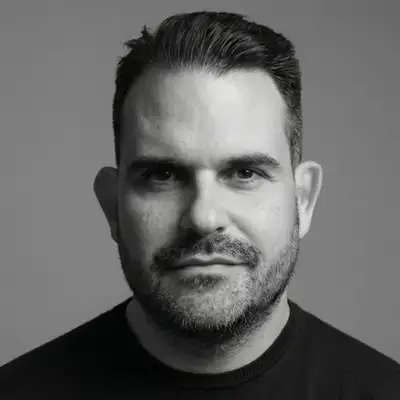
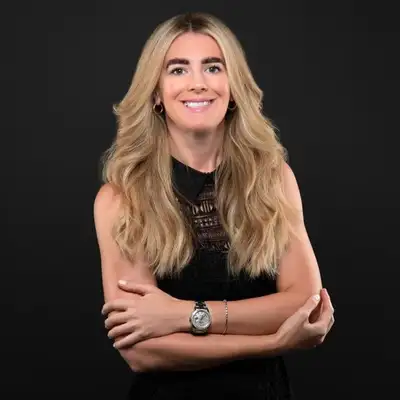
In this episode of the Maffeo Drinks Podcast, host Chris Maffeo is joined by Sophie Cookson, a seasoned expert in the liquor industry with over a decade of experience in Dubai and the UAE.Sophie shares insights on the evolving liquor landscape in the Middle East, discusses the challenges and opportunities for small and medium-sized brands in the region, and the importance of having a regional strategy.The conversation also touches on the role of Dubai duty-free as a significant channel for marketing and brand building. Sophie emphasizes the need for brands to have local presence and support to thrive in the Middle East market.Tune in to learn about the unique dynamics of the Gulf region’s liquor market and how brands can successfully navigate this complex but rewarding environment.Key Highlights:Navigating the evolving liquor landscape in the Middle EastStrategic insights for small and medium-sized brands entering the marketThe unique role of Dubai duty-free in brand buildingEssential strategies for establishing local presence and supportTimestamps:00:00 - Introduction and Welcome00:30 - Guest Introduction: Sophie Cookson01:07 - The Liquor Industry in Dubai02:41 - Challenges and Opportunities for Small Brands04:24 - Legalities and Regulations in the UAE07:39 - Brand Building Strategies10:56 - The Role of Expats and Duty-Free15:10 - Supporting Bartenders and Craft Brands26:25 - Travel Retail Opportunities35:36 - Conclusion and Contact Information
The MAFFEO DRINKS Podcast is a leading drinks business podcast delivering actionable insights for drinks leadership.
For founders, directors, distributor MDs, and hospitality leaders navigating the tension between bottom-up reality and top-down expectations.
20+ years building brands across 30+ markets. Each episode features drinks builders: founders, distributors, commercial directors, sharing how the drinks industry actually works. Not the conference version. Honest conversations.
Insights come from sitting at the bar.
Beyond episodes: advisory for leadership teams, subscription with episode deep dives and principles to navigate your own reality.
Beer, wine, spirits, Low and non-alcoholic.
Bottom-up Insights & Episode Deep Dives at https://maffeodrinks.com
Hey, drinks builder. This is Chris Maffeo, and you're listening to the Maffeo drinks podcast. Today, we are reaching listeners in over 100 countries, and I'm grateful you're one of them. Before we dive in a quick reminder that while the show is free, our paid Substack subscribers get early access to episodes, full transcripts and exclusive deep dive newsletters. Check it out at mafjordrinks.substack.com.
Chris Maffeo:Now let's get into today's conversation. Hi Sophie. Welcome
Chris Maffeo:to the Maffeo
Chris Maffeo:Drinks podcast.
Sophie Cookson:Thank you so much. I'm really happy to be here and be speaking to you today.
Chris Maffeo:It was really nice when I got your message on Instagram. We started to interact and then we bumped into each other in Berlin at Barconvent and we finally managed to meet in person with you and Kevin. It was a great honor.
Sophie Cookson:The Liquin industry is such a small space and that's why I love it so much. It's such a great community. So it's awesome going to these types of conferences because you bump into all of your LinkedIn contacts and it's nice to put a face to names, etc.
Chris Maffeo:Absolutely. Let's dive in. It's going to be a very interesting conversation because you're the first guest from The UAE and Dubai in particular.
Chris Maffeo:Going to
Chris Maffeo:dive into the fantastic world of Dubai. One year ago exactly, I was there for Galfoods. I was a speaker there. And I was impressed because I had not been there for ten years and the city was I mean, ten years for Dubai is basically like seventy years for a normal city.
Sophie Cookson:I mean, absolutely. Wow. A lot has changed in ten years. And actually, it's really interesting you talk about Goldfood because we have the first ever bar show coming to Dubai. I'm not sure if you've heard of it, but in April we have the Golf Bar Show.
Sophie Cookson:So not only do we have Golf Foods, but we now have the Golf Bar Show as well, which is a fast for our region. So we're super excited for that. Make sure you come down.
Chris Maffeo:I will do that. Tell us a little bit about you in a short nutshell in what you're doing now in Dubai. To explain a little bit, I will ask you certain questions in this episode.
Sophie Cookson:Hi, everybody who's tuned in. I'm Sophie Cookson. I've been in this region for a decade. I'm British. I spent most of that time running the Diageo office here.
Sophie Cookson:I guess my skill set is certainly big liquor businesses within this region, The Middle East, more from a commercial perspective. But what was really interesting is that gave me a great foundation to really have a good understanding of liquor within this region, The Gulf. But it also really helped me to identify white spaces in the region and opportunities in the region. And what I really see is this lack of infrastructure to service small and medium sized brands. There's a huge over index on the big box players, but actually the small and medium sized brands which are challenging the status quo and driving differentiation and incrementality into the category are really struggling to access the region and thrive as well.
Sophie Cookson:So, I set up Crafting Culture with my partner to really put a voice behind small to medium sized brands, give them a stage in order to thrive and support them through an infrastructure layer in order to access the region.
Chris Maffeo:That's exactly what I noticed when I was there. The big brands are very present for obvious reasons. But then there is this craft scene, you know, it needs to have a bigger voice in it.
Sophie Cookson:Yeah, absolutely. I actually did a study and I asked consumers what they thought of the drinks experiences within this region. A lot of people said it is uninspiring. A lot of that is because of the range. Bartenders don't feel inspired because they're always using the same liquor.
Sophie Cookson:There's drinks that they want to get imported from their hometowns and they're not able to access them. Similarly, consumers are getting bored of the same big players and they're looking for new drinking experiences and new brands that offer a different occasion for them. It's just harder to get that versus other more developed markets such as Europe and The Americas. So, it's coming and it's going to be really exciting, but there needs to be that support layer in order to help them get here.
Chris Maffeo:So let's clarify for listeners not familiar with Dubai, and maybe a little bit confused about the Middle East region. What is legal in Dubai and the region? So if you can give a one minute wrap up on what you can do and how spirits play in the market so that we get everybody on board.
Sophie Cookson:Absolutely. So there's so much opportunity in this region. However, as you just put, it's pretty complex and you need to be pretty educated to understand those complexities. So, yeah, there's a big theme around strict regulations in this region. So, some markets are prohibited.
Sophie Cookson:So Saudi Arabia, for example, Kuwait, they're dry, you can't drink liquor there. But also, even within countries where you can drink liquor, such as The UAE, there are restrictions. Venues have to have a license. So everyone that sells liquor, imports liquor, whether that be to other distributors or to consumers, has to have that license in place. The good news is a lot of people think that the whole of The Gulf is dry and there's no opportunity here in terms of liquor and that's not the case at all.
Sophie Cookson:Actually, if you have a look at the data such as IWSR, the biggest regions in growth over the next five years are all coming from The Middle East, India and Africa. The more mature markets are pretty stagnant. So it's super important that brands are seeing this region and taking it seriously because it's set for double digit growth versus the more mature markets. Does that help?
Chris Maffeo:Yes, absolutely. So basically, you can drink in bars, and then you need to have a special license to buy alcohol in stores. If you don't have a license in the trade, you cannot buy alcohol in liquor stores.
Sophie Cookson:Yeah, it does depend on The Emirates. So if we're speaking specifically about countries are different as well. But within The UAE, if you're in Dubai, if you're a tourist, then you can actually purchase alcohol from retail with your passport. You don't need a liquor license. Whereas if you're a resident, you need to get a liquor license to buy, but it's free of charge and relatively easy to do that.
Sophie Cookson:It used to be a lot harder, but the barrier to getting the license to purchase liquor is a lot easier now. It's also worth pointing out that even though liquor is accessible in The UAE, we are in a dark market, so we really need to respect those cultural sensitivities. We are in an Islamic country and because we're in a dark market, there are certain things related to marketing and advertising that we can't do in this region that we can do elsewhere. For example, we can't advertise alcohol on television or on billboards, etc. But what we can do is we can do really consumer centric, below the line activations in on trade outlets and retail.
Sophie Cookson:So there's plenty of marketing that we can do below the line. We just have to think more creatively because we can't do above the line here.
Chris Maffeo:Let's say the big question, you and I both come from big corporations, myself and beer specifically, and you mentioned Diageo. What is the big difference you know this now with working with small brands and setting up your own business? In terms of brand building, what are the differences in building a big major brand and a craft brand?
Sophie Cookson:Yeah, I do believe having sat on both sides of the table and not many people have within liquor actually, but certainly for big brands, the barrier to entry or to thrive here is a lot easier. Brands that are already here have established distribution channels. They carry favor with distributors as well because they're a big share of the distributor's profits. They have their licensing and market already. For example, some of the big players like Pernod Ricard and Diageo already have offices here.
Sophie Cookson:They've got resource here. They're really fully equipped to really thrive in this region. And of course, they can benefit from logistics and economies of scale. A big challenge here is just getting liquid into the region. Bigger brands are obviously able to do those things a lot better because they have the right infrastructure in place in the region.
Sophie Cookson:And another thing when we think about the customers, they can really leverage those global partnerships. In Dubai, as you will know, we have big restaurants and hospitality groups that are also in other parts of the world. So if a big brand or if a big supplier has relationships in other markets, then they can easily leverage and tap into those relationships here as well. And then secondly, I suppose, the dominance in the on trades. Pouring is always going to drive volume and the bigger brands are always going to be more likely to get those pouring deals.
Sophie Cookson:For smaller brands, the opportunity is huge. I actually think that the opportunity is even bigger for smaller brands because they're not here yet. The incremental opportunity is vast, but there are a lot more challenges. Entering the market is a challenge. They don't necessarily have the established relationships with the distributor, because we are in a region where there's monopolies and duopolies within this region of distributors usually have more power in terms of choosing the brands they want within their portfolios.
Sophie Cookson:Just because you want to be here doesn't mean you're necessarily going to get accepted. Even if you do get accepted, because you're a smaller brand, your share of business is probably lower for the distributor. As a result, you're going to be less prioritized. I think something else I see with smaller brands is they're trying to do the job from a home market. For example, I work with a lot of British brands and they're really trying to build their brands here from afar and that doesn't always work.
Sophie Cookson:In order to thrive here, you need to be here, you need feet on the streets, you need to understand the market and be educated And a lot of brands just don't have that set up. Brands really need to tap into the white space opportunity that's here, but there's also more challenges. For example, I can help them guide through those challenges. That's what I'm here for and that's what crafting culture does.
Chris Maffeo:Yeah, it sounds very familiar. I think the interesting thing about Dubai is that it's a local market, but it's an expat market. So you have people from all over the world. It goes back to what I usually say about winning your home turf. If you really win at home, then you can tap into a lot of these opportunities because you will have a lot of expats from that market go into living in Dubai.
Chris Maffeo:And I remember, for example, when I was working for S. A. B. Miller, what we did with Peroni, the team did a fantastic job and they also found a fertile ground on there were lots of British, lots of Americans, lots of Australians where Peroni was already growing and booming. So all these people found the availability of the product and it was easy for them to basically get that, you know, not only the converting demand, but also the sustaining demand in getting the brand growing and it really started to fly.
Chris Maffeo:What do you think about this intersection and feedback loop of home market, brand in the home market, expats from that market, living in Dubai, trying the product, bringing back home? It's kind of like this feed of demand that gets automatically this kind of snowball effect because you start to see the brand in the right places where you go, and it helps reconfirm that you've made the right choice in choosing that brand.
Sophie Cookson:Yeah, we've talked a lot about Dubai and something I do want to mention is the fact that the brands that thrive in this region are the ones that have the regional approach, because Dubai is the luxury hotspot, but the bigger is around tapping into the whole region. Dubai specifically is very much an expat market. We're 88% expats. I think we have around 200 different nationalities. When we talk about this feedback loop and leveraging an expat population, we can certainly do this in Dubai and other expat areas within the region as well.
Sophie Cookson:So, I think that what makes things quite interesting is expats because they're here. There is that stronger demand for global brands and brands that resonate with them from their home markets. But bartenders really yearn for brands they used to work with in their hometowns or home countries that they can't get here. So, there's definitely that loyalty and emotional connection with brands that they want to bring in from their home markets, which is super interesting. I also think what's interesting is the fact that we have a big duty free network here.
Sophie Cookson:So, not only are we tapping into expats that potentially live in The UAE, but also there's so much opportunity to tap into different nationalities through duty free. We have the number one largest airport for duty free, doorstep Dubai Duty Free. As a result, we have the opportunity to be exposed to lots of different nationalities. Because we're such an expat country and Dubai specifically is a luxury city hotspot, what you find and what is really interesting is the consumer journey itself. So, a lot of these people we're talking about will live in London and spend their summers in Mykonos and Ibiza and then they'll spend their winters in Dubai.
Sophie Cookson:So actually a lot of the high net worths and we do over index on high net worths, they don't just stay in one place. They're international citizens and they're experiencing brands in different places across the year. In particular for luxury brands, my advice would be it's so important to have a luxury city spot approach, whereby the people that are seeing and experiencing your brands are experiencing it not just in one location, but in those key luxury hotspot locations around the globe. I think that's a really important strategy and Dubai obviously sits within that strategy.
Chris Maffeo:You mentioned quite a few things there. The first thing that is very interesting is what you mentioned about bartenders now that they want to have brands that they used to work with, or they are familiar or that they like working with for certain recipes. Can they do that through you, for example, through craft and culture? Do, do they enable that kind of connection of with you in asking, okay, I need to have even smaller quantities, maybe like they don't want to import?
Sophie Cookson:Yeah, that's a really good question. So we, as Craft and Culture, a big pillar for us is community around bartenders. It's really important for us to have great relationships with the distributors, but we ensure that we build those connections with bartenders as well, and we're looking after them and supporting them. There's an amazing bartender community here, and it's really important that they have the tools they need to do their jobs properly as well. So actually, we do speak to bartenders a lot around special imports.
Sophie Cookson:So a lot of times they come to us and they say, Oh, I really want to get hold of this product. And we have helped bartenders access them and then worked with the distributors in order to create the route to market in order to get the liquor to the bartenders. So, that's absolutely something that we can do. And I think that's a little bit different with our model, is we don't work on MOQs, so because we're delivering to distributors locally. So, unlike if you're shipping from afar, where you might have to benefit from economies of scale and send containers in, we tend to work on small batch, which serves those special imports going to specific bartenders in smaller quantities.
Sophie Cookson:So, in summary we do. We love to do that because that excites the bartender and also at the same time we're supporting with the community as well.
Chris Maffeo:I love that because this is really building on one of my topics that are very dear to my heart, which is really this feedback loop and directly into the game that digital is playing nowadays because the bartender may follow a brand and a brand can connect directly to a bartender and so on. Then if they see that there is already a fertile ground because there's already like a two or three or four bars that are interesting to the product, instead of just picking Dubai or UAE or any other Gulf Region country as a export strategy, it becomes more of a pull strategy because you start to see, okay, actually, I've got already a few bars where I can export my product. And they are already willing to use it in the range, which is a very different way than deciding from a desk in London, like, oh, I want to go to Dubai, I want to go to The UAE, fingers crossed, and I'll send some boxes there and then someone will make my product move. And this is connected to what you were saying before about boots on the ground, having resources, having a structure in place and knowing that either you have somebody, either it's you, you need to have that allocation of resources, it can be your time and then it's free in quotes, or you need to allow a person to do that for you and you have to allocate that budget to make that happen.
Sophie Cookson:Yeah, I think it's really interesting. Just in terms of what you said, think where a lot of suppliers or brands coming in make mistakes is that they think that they're going to be able to push stock in with the distributor and then the brands will sell itself. And usually, yes, we do get that amazing benefit because if the brand is proven in its home market, there's definitely a bigger chance that it's going to be successful in The UAE, but not always. The brand still needs to put resource here to thrive and be successful. And I think a lot of brands think, okay, I've got the brands into the distributor, the rest will follow, the sales will come in.
Sophie Cookson:And that isn't the case. I think that if you're serious about entering this region, then it's a costly region to play in, but it reaps rewards. And if you are going to enter, then it's really important that you take it seriously and you do have a strategy in order to create that pull through. And a big part of that is ensuring that you have feet on the street to support with selling into the entrees, building local plans, of course. And I would say any brand that's coming here really needs to have a think about how they're going to create that pull through.
Chris Maffeo:And this is a typical issue with most of the markets, to be honest, and most of brands. I call it the paradox of the PowerPoint presentation. We are in 23 markets already. Maybe you send a few boxes into 23 markets, but how many of those 23 markets have reordered and how many do anything for you where you've managed to create the demand upfront. So that actually there is people that want to work with you and you're not just putting it down their throats,
Sophie Cookson:I so to think people, even if there's appetite to find sales people within region or local marketers, etc, I think sometimes even if there's appetite, it's actually still quite challenging to tap into the talent here. And there's so much talent, but if you're not here, you don't necessarily know where to look. So, what we try to do in terms of our support layer to our brands is to try and match make them with salespeople on the ground. So, they're equipped with warehouse stocks, so they're equipped with licenses to import, warehousing to store their products, so they can then access the whole region, but also sales people as well. So, when their product is here and when they are selling to distributors, they have that pull through as well.
Sophie Cookson:So, what we do, we can give those brands the tools in order to succeed here, but it's really important. The amount of brands I see that are brilliant, amazing brands, but they fail just because they've done all the hard work, they've negotiated to get the brands into the distributor and then they think the work is done. Actually, the work's only just begun at that point. So, yeah, a lot of brands get listed because they become a tail skew or a slow moving obsolete product. And it's just because that hard work wasn't put into the drive, the pull through with the trade.
Chris Maffeo:Yeah, going back to what we were discussing before, I mean, if we take Dubai as a deep dive in what we're discussing is the fact that there is this demand element from both a trade perspective for bartenders and bar managers and consumers. Because if you have built your brand already sustainably in your markets, then all these people coming to Dubai or to any other those luxury destinations of the region, when they will see the brand in the right places, then they will actually get familiar and order it right away. Same thing with bartenders, like, you know, all the bartenders working in the region are coming from Europe or US or Australia. They have been working with certain brands and there is this element that very often brands underestimate on the success of certain categories and certain brands. To give an example, like the Italian bartender community in London that played a huge role in brands like Peroni and Aperol and Campari and Maro Montenegro and the Fernet brand, you know, all these brands that they were familiar with from Italy, you know?
Chris Maffeo:And then if you take the Mexican restaurants and all the wave of agave connected to the Mexican food, the rise of restaurants and so on. So very often these kind of like ethnic elements play such a big role that it's just kind of staying below the water surface. So you don't really see it and you see it as a okay, like brands are booming for random reason because it was good marketing, but actually there's a fertile ground below that enables that communication and that connection between bartenders, consumers and brand owners that have done the right moves in the respective starting market and lending markets.
Sophie Cookson:Yeah, absolutely. And there's so many white spaces here. You talked about tequila. And obviously, we know that there's a huge tequila boom everywhere. And the tequila booms very much here by the way.
Sophie Cookson:But there's certain because we're a little bit more behind and we're less progressive here within liquor than other markets. There's whole categories that are missing. There's a lot of white spaces. So, for example, I've actually been working with some of the big distributors here on a ready to drink category strategy. Because you go back to Europe and you see these amazing premium RTDs, you look at the data and RTD is actually the biggest growth in terms of value and volume.
Sophie Cookson:Most categories are in value growth because of inflation, but not many are in volume growth, but RTD is. But here there's a severe under index. So, a big piece of my work actually this year has been around ready to drink and how we can ensure that we not that we need to over index necessarily, but for it to get its fair share of the category. So, that's been super interesting. So, that's just an example of how opportunities here are huge and there's lots of them to capitalize on if you're a brand.
Chris Maffeo:Yeah, that's fantastic. And another point that you were mentioning before was the role of duty free. The Dubai duty free, which is like a huge space for whoever has happened to fly through Dubai Airport. So the interesting thing is that when I see Dubai as a luxury Dubai, Abu Dhabi and other cities in the region, are almost like playing a role of what duty free does globally. It's a hub where everybody has been flying through it or had a few days in Dubai or Abu Dhabi.
Chris Maffeo:Like what you were saying before. Dubai within itself is already playing a huge role of a shopping window for lots of brands, for lots of different types of consumers. You mentioned like 200 nationalities living there. But then within that, the duty free is even bigger because there's even people flying through Dubai that don't necessarily stop in Dubai. So what is the role that space can play in the brand building efforts of all these brands?
Chris Maffeo:Because usually you get all these huge, big flagship brands in this region, but then sometimes consumers, they also want to find smaller craft brands and they want to try new different things. So what is the role it plays in building the brand for them?
Sophie Cookson:Yeah, really good question. Travel retail is quite close to my heart. I spent quite a lot of my career at Diageo working with travel retail. First of all, I think any brands should really have a multi channel strategy when it comes to the off trade, the on trade, travel retail and I think that's something that can very easily be executed here because of the fact that all of this huge synergies between each channel here, probably more than other markets and we can go on to why. But firstly, we do over index on big travel retail operators in this region.
Sophie Cookson:Dubai Duty Free is the number one standalone operator within an airport in the world, or it certainly was for brands I've worked on in the past. We have Delhi Duty Free as well in India, which again is certainly a top five And we have Doha too. And what's interesting about Doha and Dubai is to your point, they don't just serve travelers coming into the region, they serve transit passengers as well and they really do connect the East with the West. So, DDF actually accessed 87,000,000 passengers in 2023. It's a huge opportunity to get in front of a large audience and your own target consumer, but also potentially other groups as well that you might not have potentially thought of.
Sophie Cookson:And I think what's quite interesting going back to what I say about the synergy is that we haven't spoken about it, but actually something that's quite complex about The UAE is education around the taxation in this region. So, we're quite a highly taxed region for liquor. So for example, in Dubai there's a 50% import tax, there's a 30% municipality tax as well and then a 5% VAT. So as a result of that, what it means is if a consumer is purchasing a product in retail or in the on trade in Dubai that they might be able to access in The UK, the likelihood is it's going to be a lot more expensive here just because of the value chain. But the special thing about Dubai duty free and the travel retail operators is can obviously benefit from purchasing products without the tax.
Sophie Cookson:So yes, the margins are pretty high from the duty free operators, but it's still more value added to buy from travel retail than it is in the domestic market where the taxation is high. So, the synergy is that the arrivals outlets actually act as an extension of the domestic market. So, what you find is tourists and expats will ensure that they maximize their four liter liquor allowance as they come into the region, because they're technically accessing amazing brands that are trusted. Because that's the other thing about travel retail, particularly in India and Africa travel retail, the brands are legitimate, they're authentic. So people will maximize that travel, that liquor allowance before they come into the region.
Sophie Cookson:So essentially, it's like an extension of the domestic market. I always think that's really interesting. And actually, the past, I have done commercial promotions and marketing to try and combine both duty free and domestic, you're really tapping into that path to purchase of the consumer as they travel through the airport and then go to their hotel or back to their houses.
Chris Maffeo:This is something that is also not so common in all airports, but so you basically can buy also on arrival duty free, which doesn't really happen in many other countries.
Sophie Cookson:Definitely. And I think that the fully liquor allowance versus other countries is quite high. People can really maximize that. And just something else that you mentioned around building brands and duty free being a shop window. Absolutely, I think that it can be difficult, not just actually in UAE, but in other markets.
Sophie Cookson:We don't always do a great job in the domestic market of building brands in retail. But actually, what's amazing about the domestic market, the duty free, is there's a real opportunity to really have huge marketing activities within the airport sampling as well. So we're not allowed to sample in the domestic market, but that's something that we can do in travel retail, in certain outlets anyway. So I certainly think that there's a really big opportunity to engage the shopper, especially as that they've got that dwell time waiting for their next flight. It's a really big opportunity to capture them and drive more of an engagement at the point of purchase as opposed to in domestic retail.
Chris Maffeo:What you're saying is very interesting, Sophie, because it makes me think the strategic role that plays, it's connected to some of the things that I mentioned about the, what I call the bottom up trade now that I don't call anymore the on and off and all the channels, but I call it bottom up trade and top down trade. In the bottom up trade is basically what you can build, where you can build and where you can tell a story about your brand. So whether it's a liquor store and on trade out like a relevant on trade outlet, or a duty free space where you can actually have a conversation and talk through consumers. So what is the appetite from players like Dubai Duty Free, for example, or like other big players in Doha or Delhi, you mentioned, for smaller brands? Do they want to play only with the big players or are they starting to change their mind and actually working with smaller brands?
Sophie Cookson:Yeah, it's an interesting point. I mean, the big brands are always going to support the big operators to build their category strategies and obviously they're the cash cow is right. So, there's always going to be a place for the big brands. However, I actually have had quite a few conversations with DDF and Deli Duty Free, for example, on the opportunity for more niche brands. And the appetite, they've been really open actually.
Sophie Cookson:So, there's certainly appetite there. And I think that there's an opportunity as well, because with duty free, there's a lot of competition, especially with price related to the other duty free operators globally. So, I think one lever that they can pull to differentiate themselves is around range and how can they actually drive incremental sales, not just through price, because that's always going to be a race to the bottom with the big brands, but actually through having a wider range, which is going to excite the consumer. So, yes, to your point, I think there's a big opportunity for niche brands. I'm talking to them now about it.
Sophie Cookson:So hopefully, over the next few years, you will start to see some more interesting propositions appearing and being available in travel retail.
Chris Maffeo:Fantastic. And this is something that I was discussing on previous episodes as well, on the fact that duty free in general, they need to scale up in terms of range because otherwise then people just get bored and then just pass through the aisle just thinking, okay, whatever, I can get all this stuff every day. So I want to have like something special, which is the original way of the old global duty free, the travel retail duty free limited editions and all these kinds of things. That's how they managed to stay relevant. But again, without having to do a limited edition, you can actually play with a nicer, wider range of products that can actually make passerby stop and purchase that bottle from your shelf.
Sophie Cookson:And I think there's a lot of competition now as well with pricing in domestic markets. So, think Dubai is a bit different because of the taxation here, but certainly in other countries, there's not a huge disparity between pricing in travel retail and pricing in domestic markets. So, I think that travel retail operators really need to think outside the box and some of the pillars that they can pull or levers they can pull are certainly TRX travel retail exclusives is huge because it gives them that point of difference. Experiential activations as well, which we've discussed, that's a point of difference as well. But another point of difference can certainly be range.
Sophie Cookson:And I think that there's a huge opportunity for range expansion, particularly in Dubai, and other golf travel retail outlets. We don't have much range in the domestic market here because of our duopoly model. So there's a really big opportunity there to add a point of difference and add something incremental that shoppers can't actually get in the Mainland.
Chris Maffeo:So let's wrap it up here. I'm aware of your time and it's a big pleasure to have you. And I want to leave you some space for telling the listeners of the Muffo Drinks podcast how they can find you, can they get in touch with you and if they need any help in the GCC region, how to reach out to you.
Sophie Cookson:So much. Yeah, it's been an absolute pleasure. I've loved talking to you, especially about this topic, which is obviously really close to my heart. So, Kevin and I actually have our own podcast called the Middle East Drinks Podcast, where we specialize in sharing and educating our listeners around The Middle East. So, I'll make sure that I get you to return the favor and you join me on that sometime, Chris.
Chris Maffeo:I'd love to.
Sophie Cookson:But yeah, we have our Instagram page as well, craftcultureuae. And obviously, I'll send you my connections that you can put them within the content of the chat. But yeah, we're really open to hearing from all brands, especially those brands that want to access The Middle East and don't really know how to go about it and need that support. It's an amazing region to be in as I've, it's a huge growth potential in the future. So, it really does need to be a market that's part of a brand's growth export strategy.
Sophie Cookson:So, here to support those brands as and when they need us.
Chris Maffeo:Fantastic, Sophie. So, thank you so much. And we speak soon.
Sophie Cookson:Thanks a lot, Chris. Take care.
Chris Maffeo:That's a wrap on today's episode. If these insights helped you, take a moment to leave us a quick review. It really helps other drinks builders find the show. And speaking of sharing, pass these insights along to another drinks builder who needs to hear this. Wanna get next week's episode right now?
Chris Maffeo:Head over to mafaredrinks.substack.com where paid subscribers get episodes a week early plus full transcript and deep dive analysis. Until next time, remember that brands are